For executives & professionals
Rehab for executives.
Luxury executive rehab is residential treatment built for people carrying a company or a career: CEOs, founders, senior executives. The same evidence-based clinical care, held inside NDA-bound confidentiality, with structured windows for essential work and a peer environment of similarly accomplished guests.

What to look for
What makes a program right for professionals.
Confidentiality infrastructure
What does the program actually do to protect identity? Private entrances, anonymous registration, NDA-bound staff, no social media policy, no alumni lists. Ask specifically; not all programs are equal here.
Continuity policy
Can the guest have a device? Make scheduled calls? Review documents? Some programs allow a dedicated 1-hour window daily; others are fully unplugged. Neither is wrong; the fit depends on the individual's obligations. Understand this before choosing.
Executive-specific clinical tracks
Programs with dedicated tracks understand the specific psychological patterns common in high-achievers: perfectionism, control-orientation, identity fusion with work, stimulant dependency, high-functioning depression. Generic programming can feel irrelevant to this population.
Peer environment
Boutique programs with 6–12 beds and executive tracks attract a professionally homogenous cohort. Many executives find peer work more productive when the group has comparable life experience.
Executive detox
If withdrawal is part of the picture, ask how the program handles executive detox: medically supervised withdrawal in a private room, with communication windows resuming only once the medical team clears them. Detox-first admissions need physician coverage confirmed before arrival, not arranged after.
Aftercare and return-to-work
The transition back to high-pressure professional life is the hardest part. Ask whether the program has a structured plan for re-entry, alumni support, and whether they have relationships with executive coaches or EAP consultants.
Before you call
Questions to ask any program.
- 01
What is your device and communication policy for working professionals?
The answer reveals whether the program has actually built infrastructure for executives or is treating it as an afterthought.
- 02
How do you handle confidentiality for high-profile guests?
Ask for specifics: NDA policies, whether staff sign confidentiality agreements, how admissions records are handled.
- 03
Do you have a dedicated executive track, or are executives integrated into general programming?
Dedicated tracks indicate the program has invested in this population specifically. General integration can work but is worth scrutinising.
- 04
What is your typical cohort size?
Smaller is almost always better for executives: six to twelve means real privacy and a tight peer group.
- 05
What does aftercare look like for someone returning to a leadership role?
A good program has a specific answer. Vague generalities about 'continued support' are a yellow flag.
- 06
Do you publish outcomes data?
Very few programs do. Those that do, like APN Lodge, have made a meaningful commitment to transparency.
The most private model
Where executive rehab goes furthest: Switzerland.
For an executive whose visibility is itself the risk, no model goes further than Switzerland’s. The single-client Zurich residencies — Paracelsus Recovery chief among them — treat one patient at a time, with a full clinical team working for that person alone, inside a confidentiality framework Swiss criminal law enforces. An admission stays off the public record: out of reach of a board, an investor group, or the press.
It is the strongest answer to a specific question, and worth weighing against the US programs below. Our guide to rehab for executives in Switzerland covers Paracelsus, The Kusnacht Practice, and Clinic Les Alpes — and what separates them.
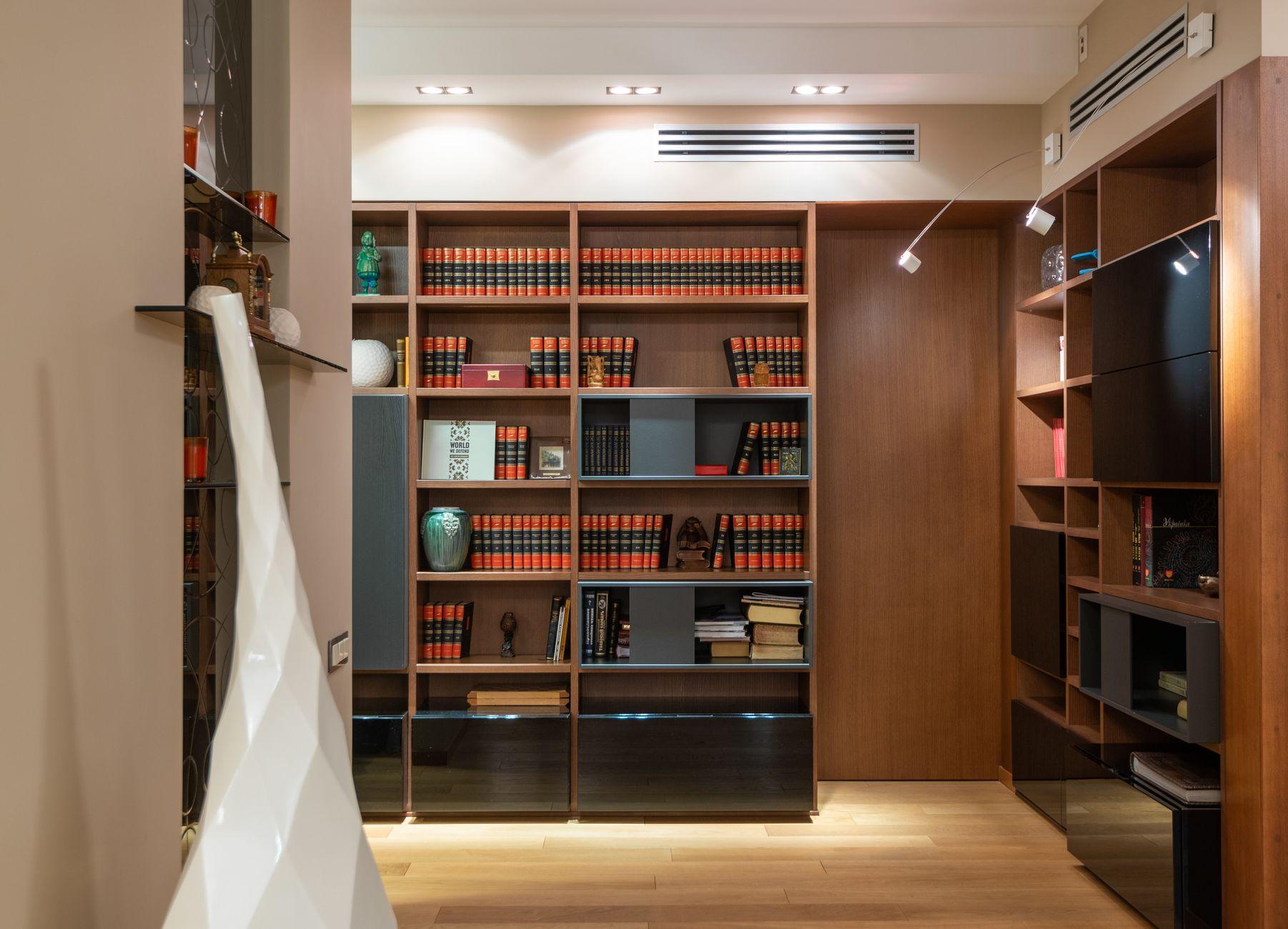
Executive rehab centers
6 programs with executive capability.
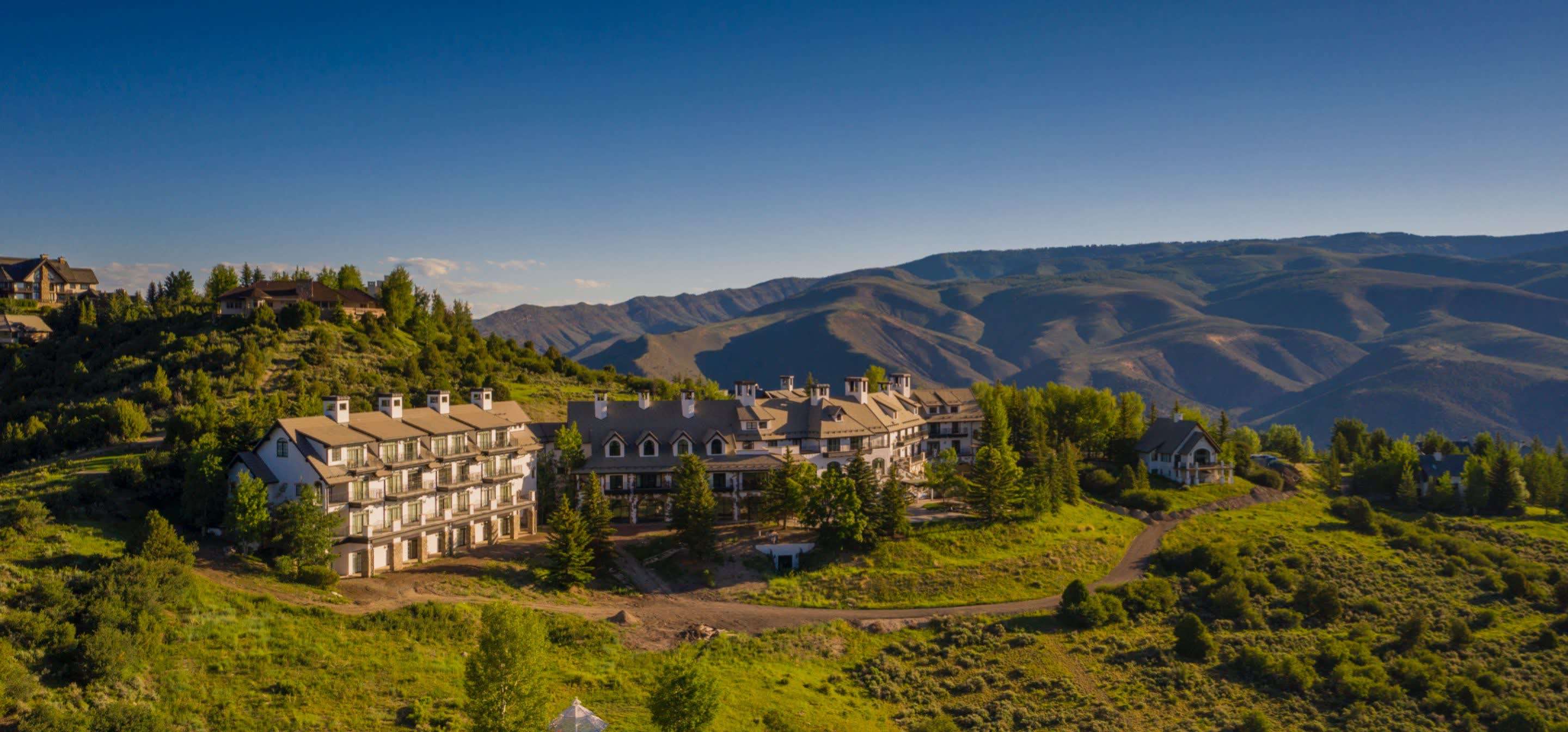
Each program below treats executive burnout as a primary admission type and has been independently reviewed for clinical depth, privacy infrastructure, and setting.
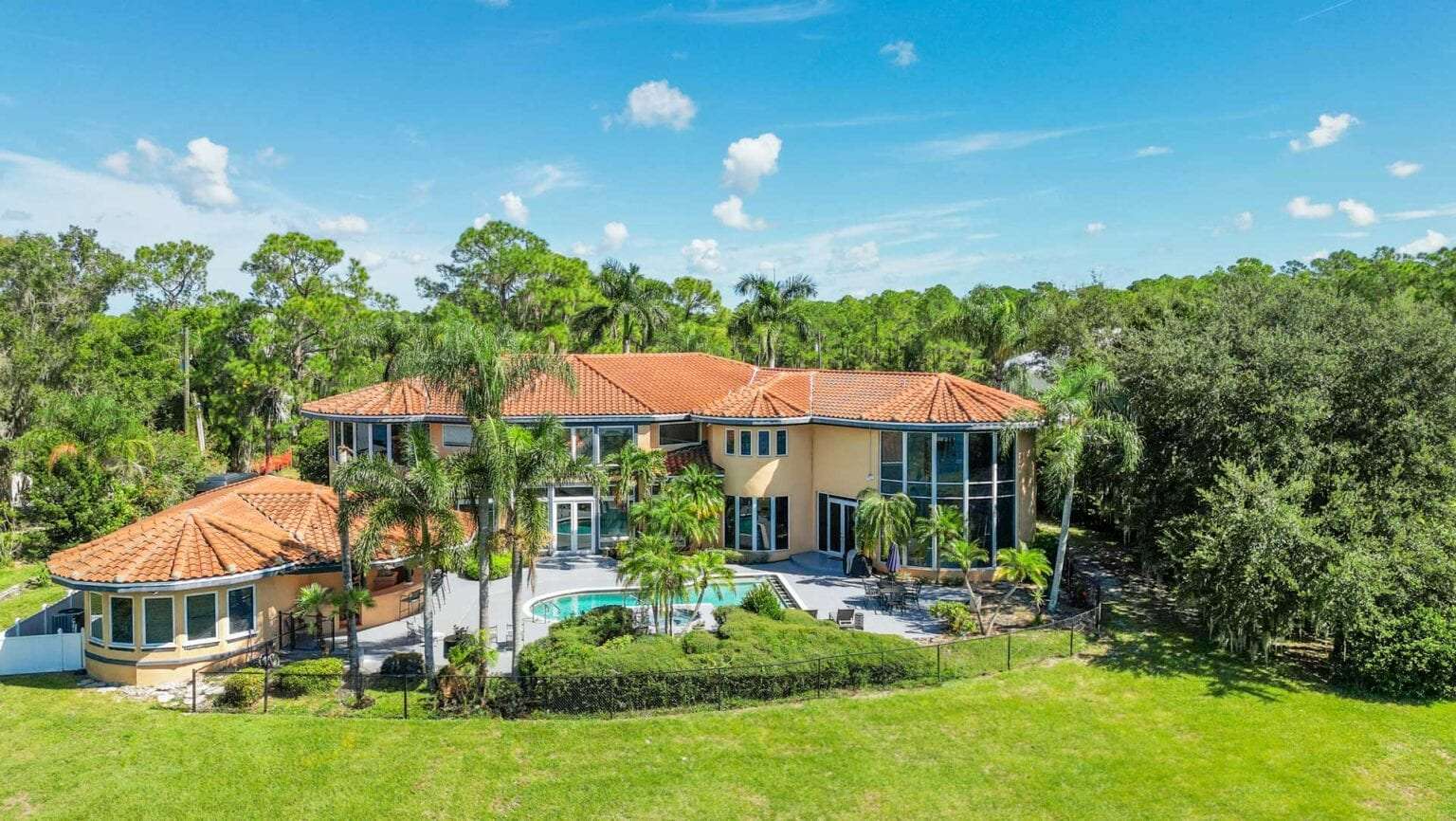
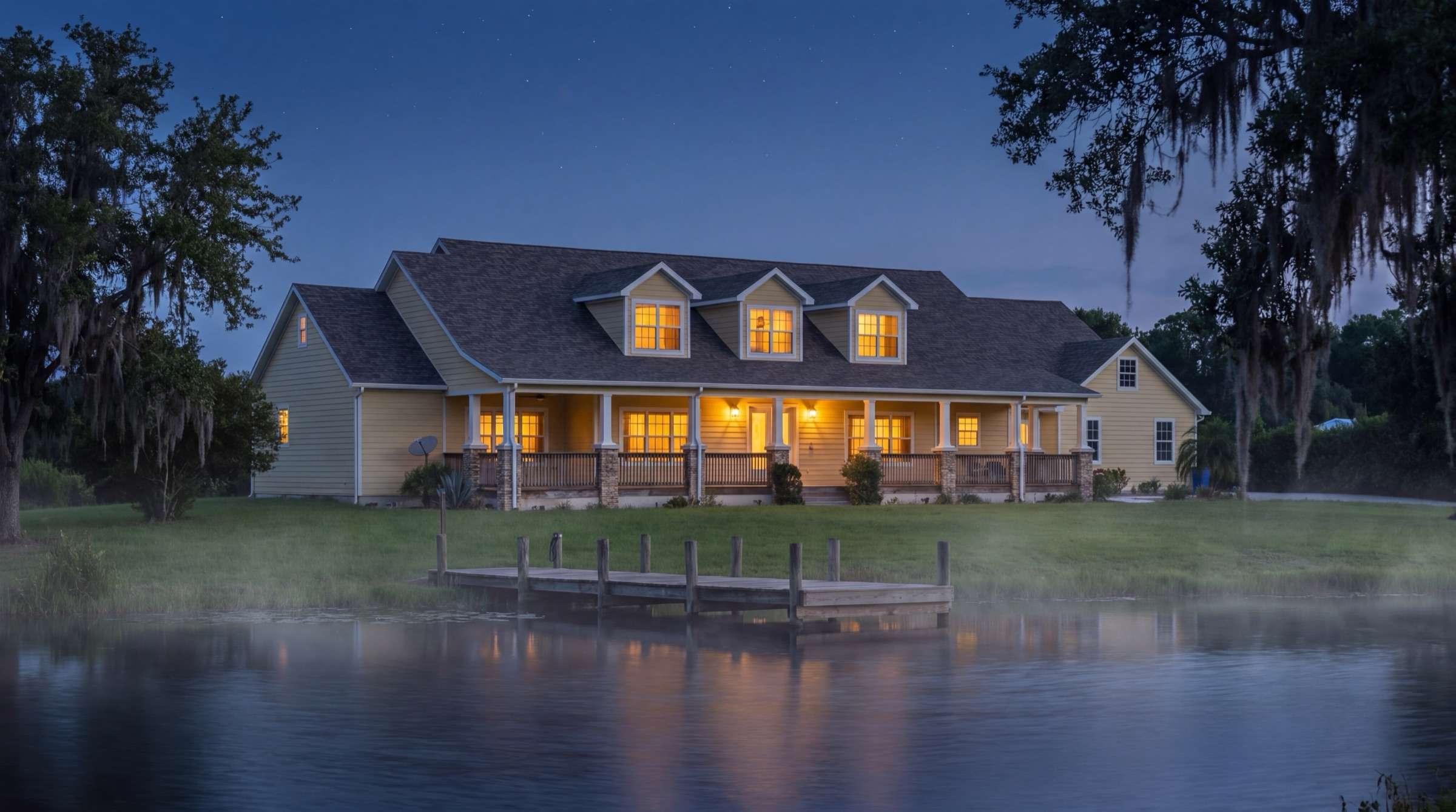


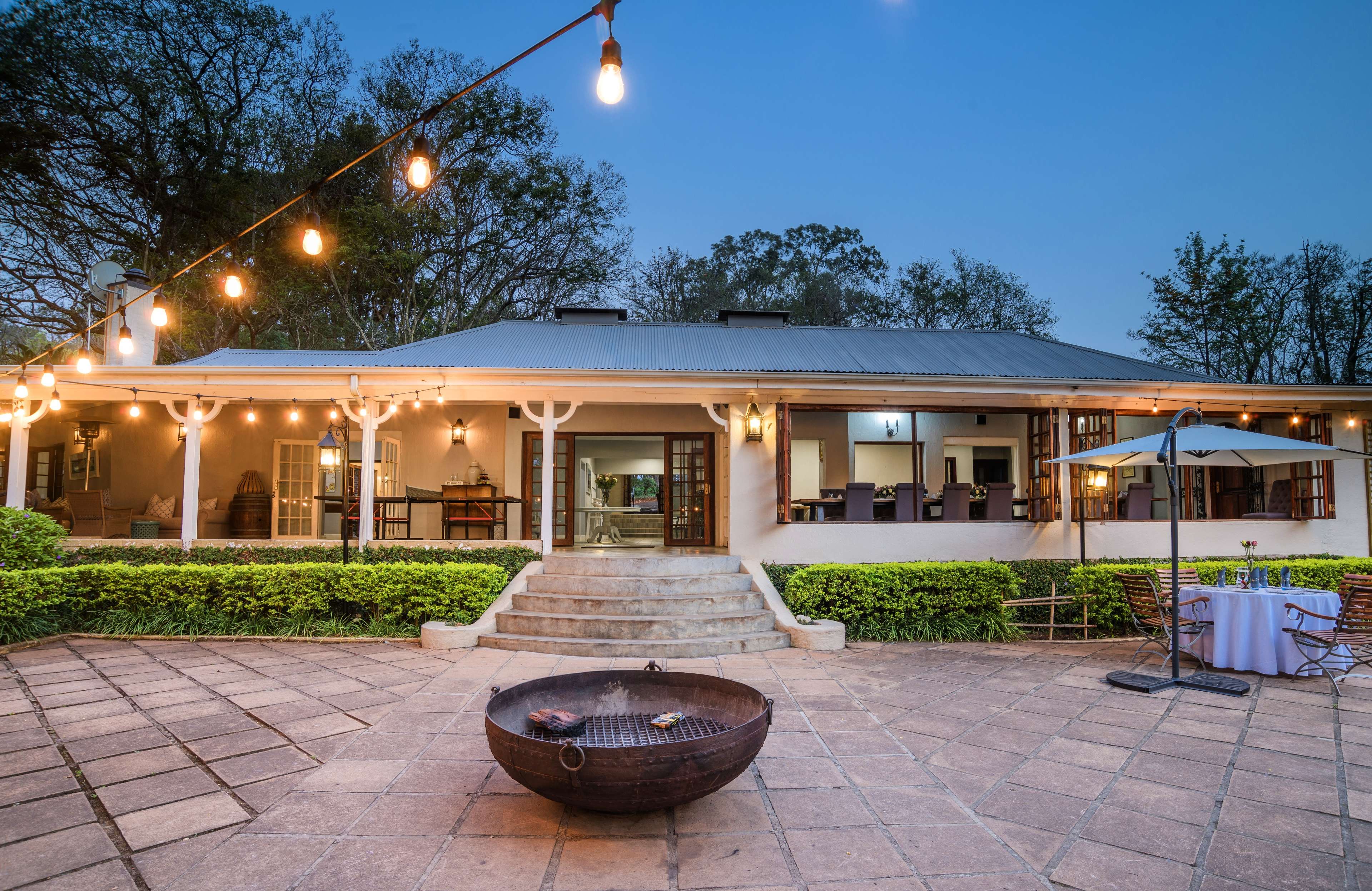
By state
Executive rehab in Florida and California.
Executive rehab in Florida
Florida’s executive tier lives on two private lakes in the state’s interior: Tikvah Lake Recovery and Park Manor Recovery, six guests each, under physician-led contact and private-pay billing that keeps the stay off any insurance record. Under two hours’ drive from Orlando International Airport, about three from Miami. Burnout, substance use, and the anxiety and depression that travel with a demanding career are all primary admissions.
Executive rehab in California
In California the executive question usually leads to Malibu. Amend Malibu runs two six-guest houses above the Pacific, treating the mental-health side of executive collapse (burnout, depression, anxiety, trauma) as the primary admission, with structured work-contact windows where clinically appropriate. Alta Mira in Sausalito serves the northern half of the state at a comparable tier.
Common questions
Executive rehab, answered.
What is executive rehab?
Can executives maintain business communications during rehab?
How do executive rehab programs protect confidentiality?
Is there executive alcohol rehab?
Is there executive drug rehab?
Is there executive rehab near me?
Not sure which program fits an executive schedule?
Tell us the clinical picture, the timing, and how far someone can travel. We'll point you to the right program, even one we don't list, when that's the honest answer.
Related
Co-occurring conditions & further reading.
Executive burnout
Clinical overview of the condition
Executive detox
Medically supervised withdrawal, discreetly
Depression
Common co-occurring condition
Alcohol use disorder
Frequent alongside burnout
Dual diagnosis
Mental health + substance use
Mental health retreats
Retreat-framed residential programs
Choosing a luxury rehab
A quiet guide to the decision
How long is rehab?
30, 60, 90 days: what the evidence says
Private luxury rehab
Maximum privacy & clinical intensity
Full directory
Filter by condition, region, setting