The retreat category
Luxury mental health retreats.
A luxury mental health retreat is a private residential program, typically a 30 day stay or longer, where a psychiatrist-led clinical team delivers structured daily therapy from an estate or private residence, with support on-site around the clock. It is an intensive mental health retreat in the clinical sense — closer to inpatient care than to a wellness break — and the distinction matters when symptoms are severe. The catalogued centers below treat depression, anxiety, trauma, grief, and burnout; all are selected for clinical depth, privacy, and place.
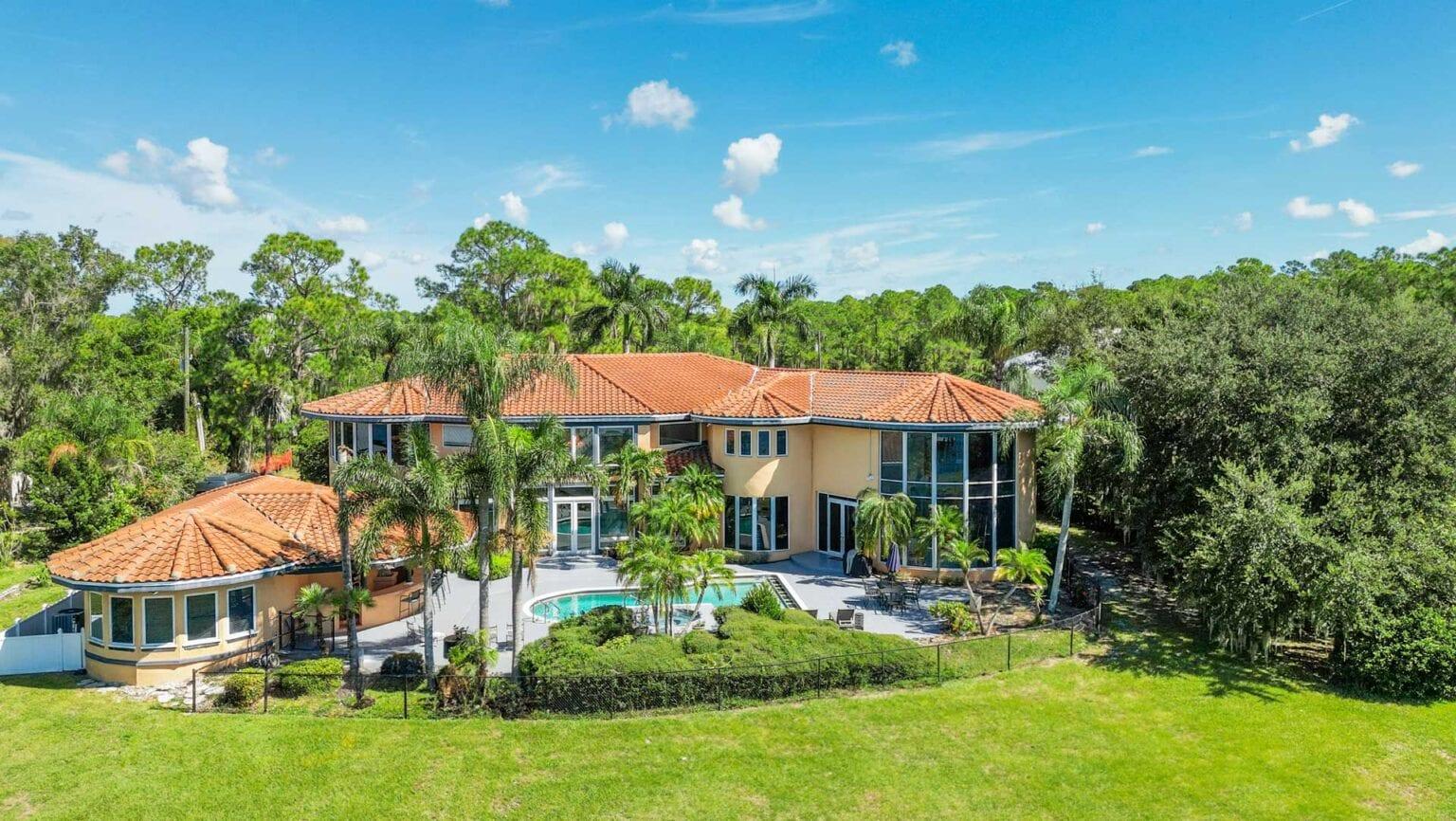
A luxury mental health retreat near Los Angeles
Los Angeles’s private residential mental health programs sit on the Malibu coast, about thirty miles from Santa Monica. Our guide to luxury mental health treatment in Malibu compares them by clinical team, nursing and cost, and our California retreats guide covers the rest of the state.
Near Los Angeles, one program to consider: Amend Malibu · Every Malibu mental health program
Amend Malibu is a featured partner of LuxuryRecovery.
What it actually means
What is a mental health retreat?
A mental health retreat is a private residential program, typically 30 to 90 days, where structured clinical therapy takes place in a setting designed for immersion and recovery. The word “retreat” matters: you choose to come, and you live in an estate, lodge, or private residence while the clinical work happens around you.
Unlike outpatient therapy, guests live on-site with round-the-clock clinical support. The structure (regular sleep, meals, exercise, daily therapy) is itself therapeutic for conditions like depression, burnout, and anxiety, where the rhythms of daily life have often become part of the problem.
The terms “mental health retreat,” “therapy retreat,” and “mental wellness retreat” are largely interchangeable for luxury programs, and what some call a “mental health resort” is the same model with the amenities named first. The best ones offer both: a setting that feels like a retreat and clinical depth that meets or exceeds the standards of residential mental health treatment.
For what that model looks like at its smallest scale — six guests to a house, one clinical team each — see our guide to luxury mental health treatment in Malibu.
Who benefits
Is a retreat the right level?
Outpatient hasn't worked
If weekly therapy hasn't moved the needle on depression, anxiety, or trauma, residential intensity (daily sessions, full clinical team) often produces results that part-time care cannot.
The environment is part of the problem
For burnout, certain trauma presentations, and anxiety driven by chronic stress, physically removing from the triggering environment is a clinical intervention in itself.
Co-occurring substance use
Many mental health retreats treat addiction alongside the primary condition. Dual diagnosis is common, and a program that handles both is almost always preferable to treating them separately.
Privacy is non-negotiable
Residential programs in private estates with small intakes (six to twelve guests) offer discretion that outpatient clinics cannot. Particularly relevant for executives, professionals, and public figures.

Due diligence
What to look for in a mental wellness retreat.
- 01
Is it genuinely residential?
24-hour clinical staffing, with clinicians on-site overnight. Ask specifically who is there at 2am.
- 02
How many therapy hours per week?
A serious program runs 20+ hours of structured clinical time weekly. Anything significantly less is spa care with therapy as an add-on.
- 03
What's the clinical team's training?
Therapists should have specific credentials in the conditions they treat: trauma certification for PTSD work, eating-disorder training for ED programmes, DBT training for personality disorders.
- 04
How many guests at one time?
Six to twelve is genuine luxury. Thirty or more means you're in a larger facility regardless of the price point.
- 05
What does aftercare look like?
The 30–90 days after discharge carry the highest relapse risk. Ask for specifics, not generalities.
What brings people here
Retreats by what you’re carrying.
Retreats for depression and anxiety
The most common reason people arrive. At a depression retreat, therapy happens every day instead of once a week, a psychiatrist adjusts medication in days rather than months, and a set rhythm of sleep, meals, and movement does its own quiet work. An anxiety retreat runs on the same structure, and most programs treat the two together because they so often travel together.
Trauma healing retreats
Trauma work at a retreat moves at residential pace: EMDR or somatic sessions in the morning, room to settle in the afternoon, a clinician nearby in the evening. That containment — hard sessions held inside a safe, consistent place — is what a healing retreat is built to provide, and it is what makes deeper trauma work possible.
Retreats for grief and loss
A grief retreat gives structure to something formless: days built around processing work, genuine quiet, and a clinical team who know the difference between mourning that needs room and the depression that can grow inside it. When loss has stopped moving, structured residential time is often what starts it moving again.
Burnout recovery retreats
A burnout retreat works in a set order: distance from the inbox first, sleep restored second, and only then the harder questions about pace and identity. Executive burnout responds quickly to that sequence — it is one of the clearest cases where leaving the environment is itself the intervention.
Practical questions
Insurance, prices, and how long to stay.
Are mental health retreats covered by insurance?
Some are. Retreats that accept insurance are usually the larger residential programs, where an admissions team verifies out-of-network benefits before you arrive. The smallest private houses more often work outside insurance and provide documentation you can submit to your insurer afterward. A verification call costs nothing and settles the question within a day — and our guide walks through exactly how coverage works at this level.
What do mental health retreat prices look like?
Prices follow the staffing behind them: a six-guest house with daily psychiatry and twenty-plus hours of weekly therapy is priced accordingly, and rates vary widely by country and intake size. The honest way to compare programs is by clinical hours and team credentials — the numbers, ranges, and what shapes them are in our cost guide.
A weekend, 30 days, or longer?
A weekend mental health retreat can restore sleep and lower the temperature; clinical change needs more time. Thirty days is where treatment for depression, anxiety, or trauma starts to hold, and sixty to ninety is where it consolidates. Most residential programs are built around that arc, with aftercare planned before you leave.
What is the difference between a mental health retreat and a psychiatric hospital?
Admission to a retreat is voluntary, the setting is a private estate or residence, and stays run 30 to 90 days of daily therapy and psychiatry. A psychiatric hospital is built for acute stabilization: short, medically supervised stays, measured in days, for moments when safety comes first. Many people move from a brief hospital stay into a retreat, where the longer work of residential mental health treatment happens.
What does a day at a therapy retreat look like?
A therapy retreat day is built around clinical hours: an individual session most mornings, specialist work such as EMDR or somatic therapy, psychiatry check-ins, and movement, meals, and rest at set times. Serious programs run twenty or more hours of structured clinical time each week, and the routine between sessions is part of the treatment.
Are there retreats just for women, or just for men?
Dedicated women's mental health retreats and men's programs exist across the field. Within houses of six to twelve guests, care is built person by person rather than by cohort, and several programs compose each intake deliberately — so if a single-gender environment matters to your recovery, ask how they assemble an intake before you commit.
By place
Residential mental health facilities, by place.
Where you recover shapes how you recover. Six places anchor the residential mental health field we catalogue.
California
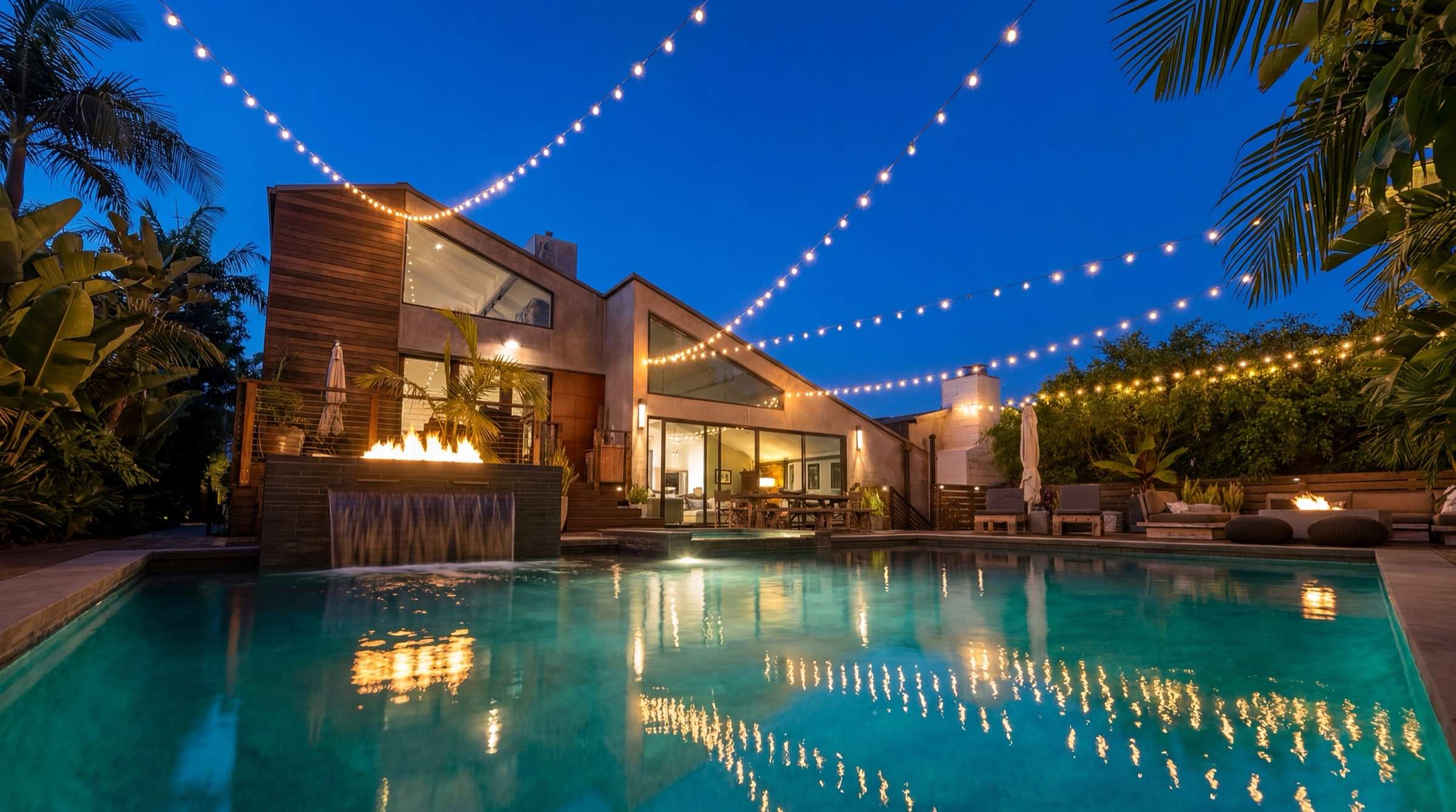
The clearest luxury mental health retreat California offers: Amend Malibu runs two six-guest houses above the Pacific, an hour up the coast from Los Angeles, treating complex trauma, depression, bipolar, and personality disorders as primary admissions. Alta Mira adds residential depth on the bay in Sausalito.
Mental health treatment in Malibu→Florida
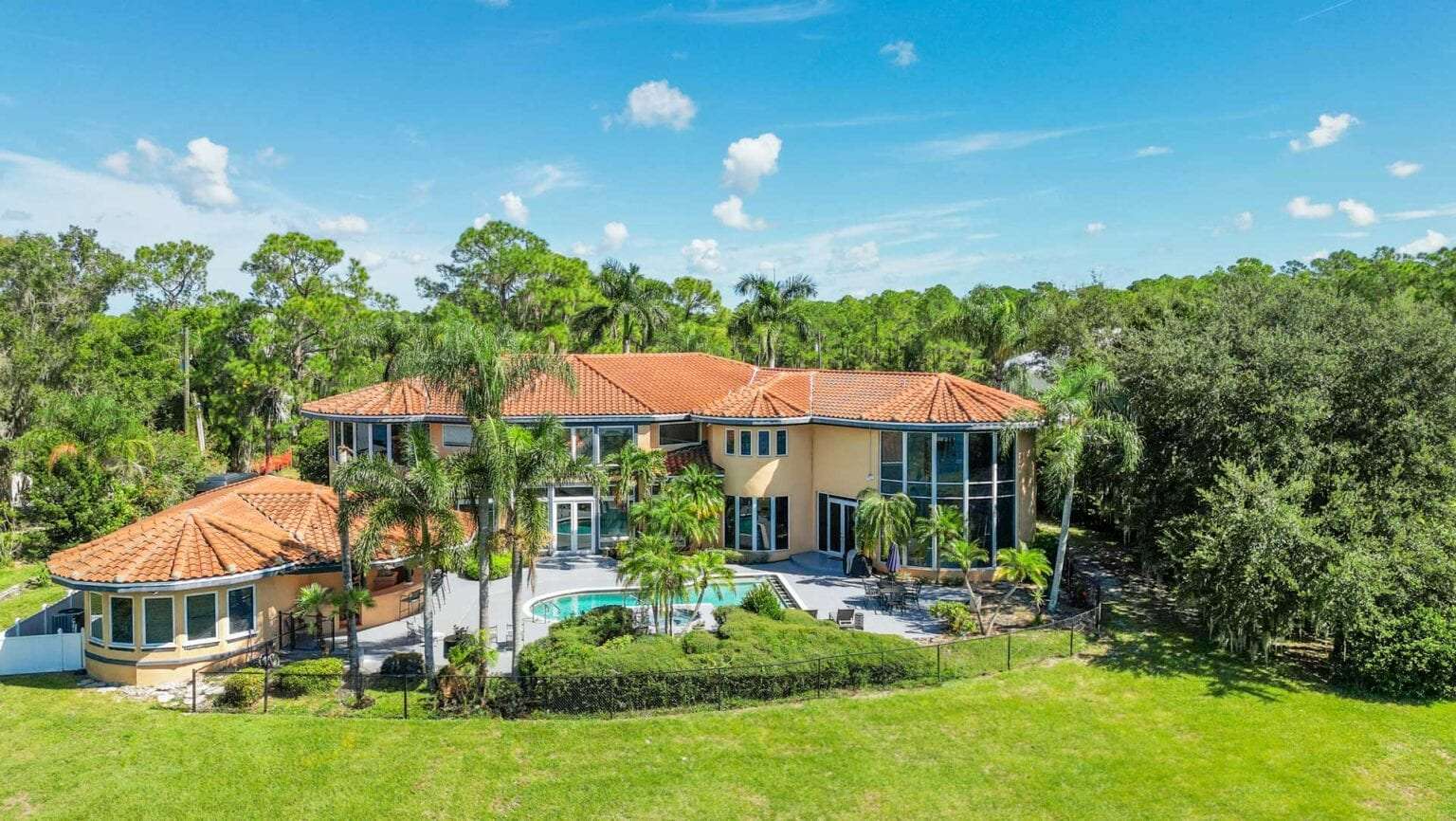
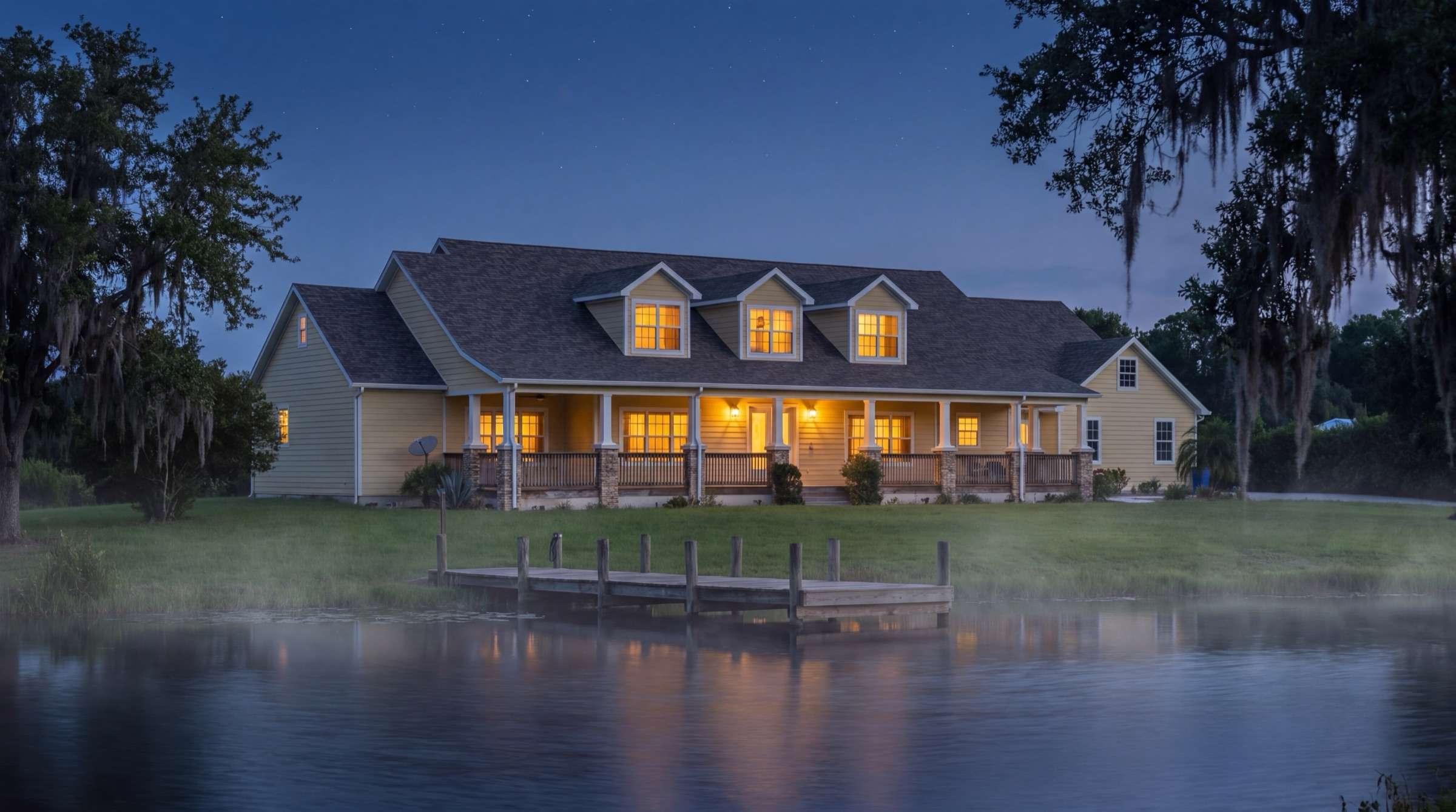
Tikvah Lake Recovery and Park Manor Recovery each take six guests on private lakefront estates, with physician-led care and residential depth for depression, anxiety, trauma, and executive burnout.
Mental health care in Florida→New York
Ascendant New York treats depression and anxiety alongside detox and inpatient care without leaving Manhattan — twenty-four-hour medical supervision and real discretion for people whose lives run through the city.
Mental health care in New York→Colorado
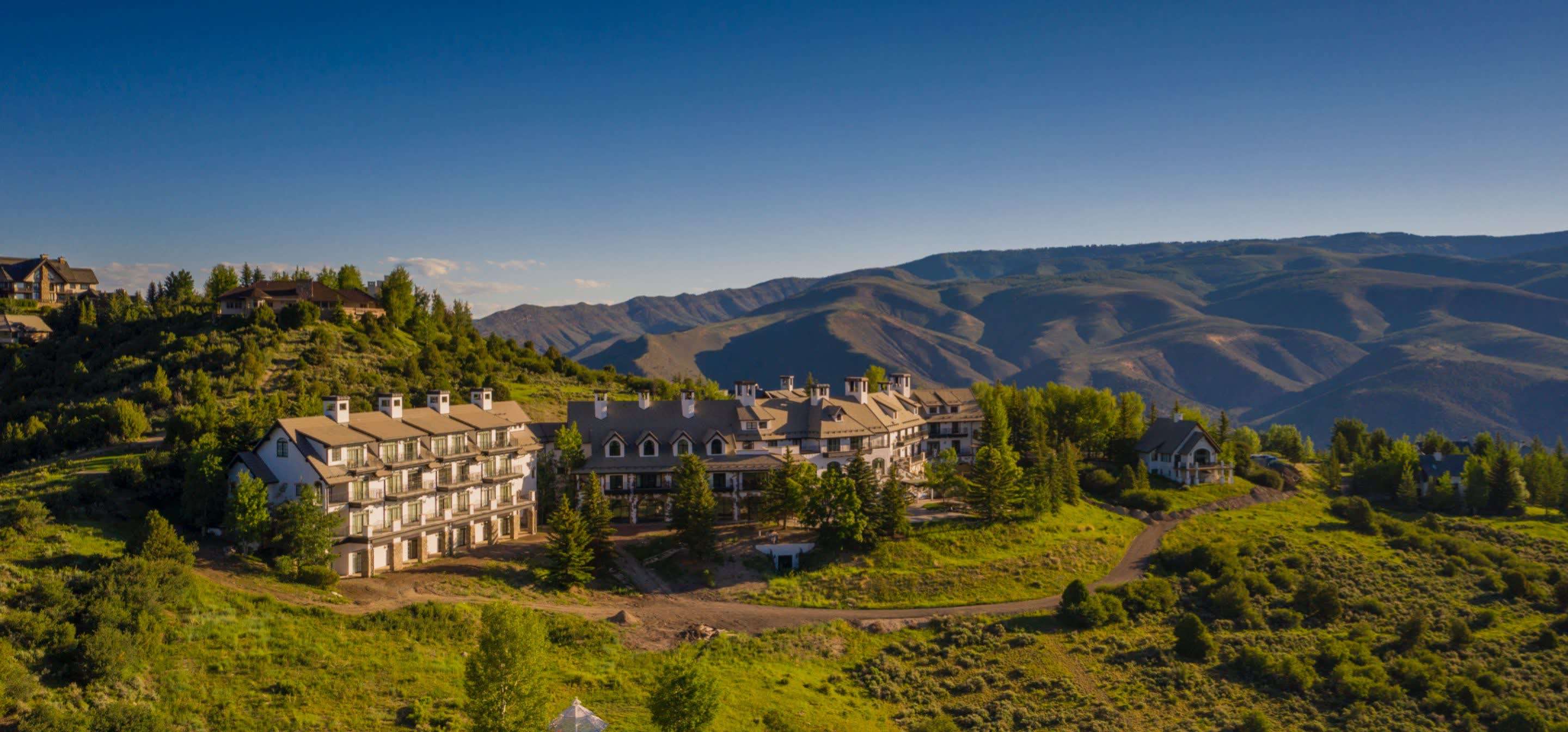
A mental health retreat in Colorado at full clinical scale: All Points North pairs a complete campus in the Rockies with depression and anxiety care alongside addiction medicine, for people who want altitude and distance with their treatment.
All Points North, Edwards→Hawaii
Maui Recovery pairs residential clinical care with the most complete separation American treatment offers: an island between you and the environment that fed the problem, with depression and trauma care alongside addiction work.
All Hawaii centers→Europe
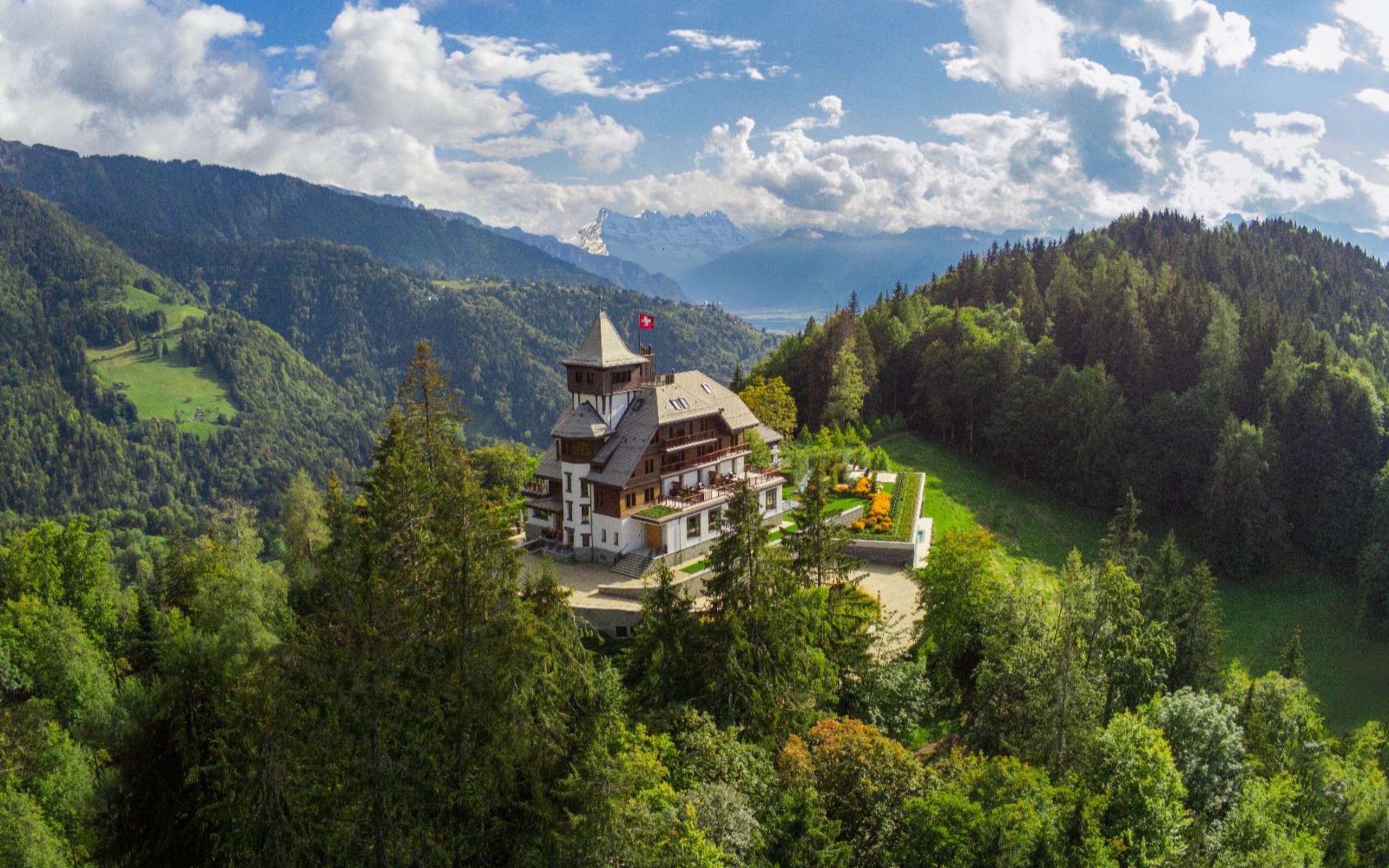
The most private mental health retreats in Europe: single-client care in Zurich at Paracelsus Recovery, alpine residential treatment above Lake Geneva at Clinic Les Alpes, and Mediterranean recovery at Camino in Andalucía.
Mental health care in Europe→The directory
11 catalogued mental health retreats.
Each program below has been independently reviewed against the same criteria: intake size, clinical depth, and setting.





Explore by condition
Browse by what you’re treating.
Depression
Residential treatment for depression
Anxiety
Anxiety disorders & panic
Trauma & PTSD
EMDR, somatic, trauma-specific care
Executive burnout
High-performance professional recovery
Eating disorders
Specialist residential ED care
Bipolar
Mood disorder residential programs
Complex trauma
CPTSD & developmental trauma
All mental health
Full clinical category overview
For executives
Confidential professional programs
Mental health in Malibu
Six-guest residential above the Pacific
Choosing a program
A quiet guide to the decision
How long is a stay?
30, 60, 90 days: what the evidence says
Not sure which program fits?
Tell us what the situation calls for: the diagnosis, how urgent it is, how far someone can travel. We'll point you to the program built around it. Including, when it's the honest answer, one we don't list.