
Editorial brief · Condition
Executive burnout.
Executive burnout is a pattern common among high-performers: deep exhaustion, cynicism, and declining effectiveness, often complicated by sleep problems, substance use, or undiagnosed depression and anxiety.
In our directory
6 centers treat executive burnout.
Of 12 catalogued worldwide, 6 treat executive burnout as part of their program. Each approaches it with a different clinical team and mix of therapies; open a profile to see which one fits the person you have in mind.






How luxury centers address it
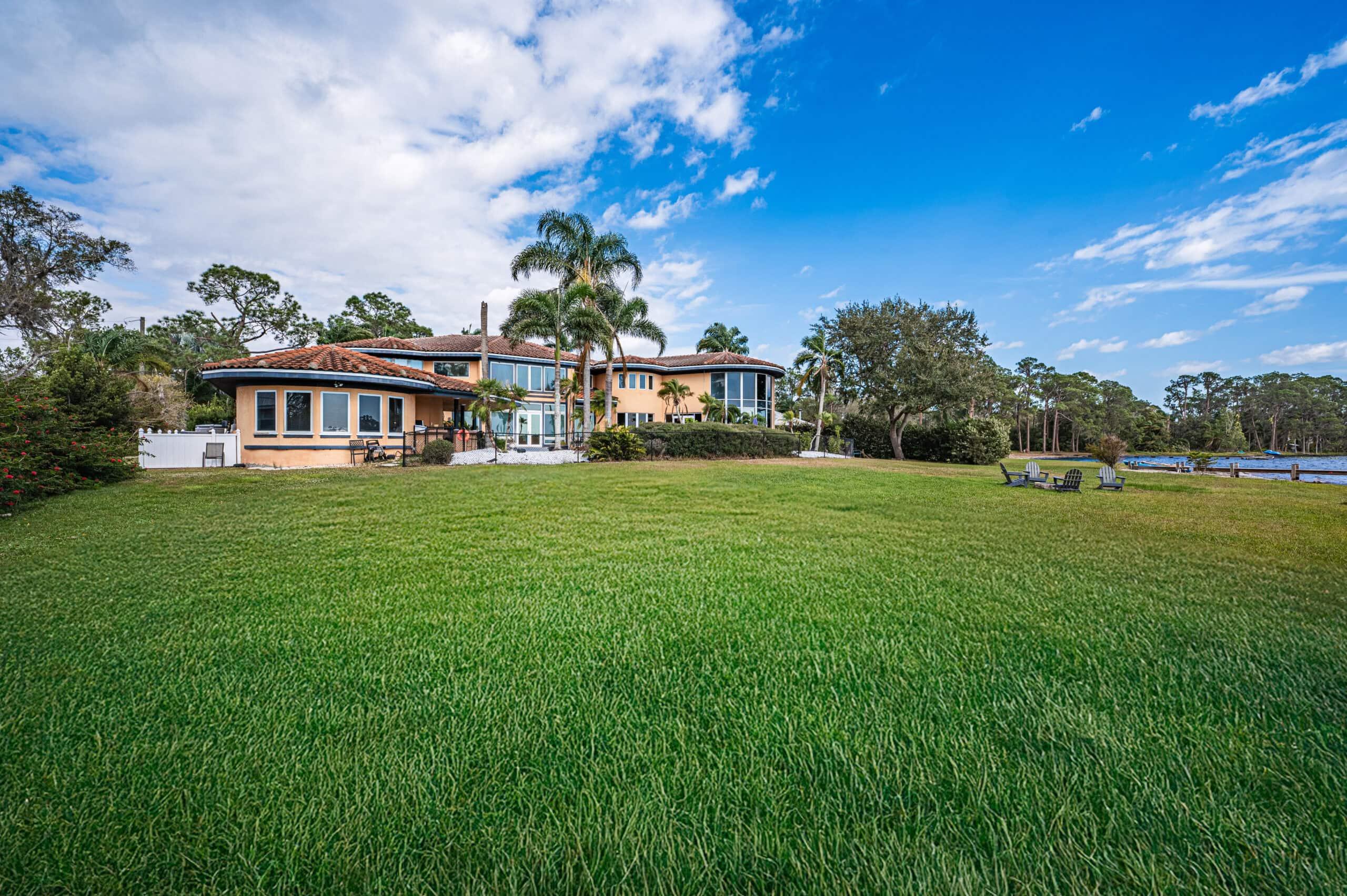
Executive burnout isn't a formal psychiatric diagnosis, but residential programs increasingly treat it as its own category, and it's one where the luxury residential model is especially well-suited. The guest base (senior executives, founders, professionals) has specific practical needs, and the best programs have built real infrastructure for them: privacy, secure communications, and the ability to handle urgent matters during treatment.
Clinically, executive burnout usually layers several problems: chronic sleep disruption, substance use (typically alcohol, sometimes stimulants), undiagnosed anxiety or depression that hasn't responded to treatment, and the accumulated toll of being in fight-or-flight mode for years. Treatment addresses each layer rather than treating burnout as one thing. Medication where helpful, structured sleep recovery (often the most underrated piece), reducing substance use, and therapy focused on the thinking and body patterns that drove the burnout.
The operational side is what sets executive-focused luxury residential apart. Private rooms, secure WiFi for limited business communication when clinically appropriate, NDAs with staff, and intake processes designed to prevent leaks to professional networks. Programs that serve this population well have built real infrastructure for it; those that treat it like any other admission usually see frustration and early departure.
The most consequential thing an admission produces in the first week is the distinction between burnout and depression, because the two look nearly identical at the exhausted end and diverge sharply in treatment. Burnout is context-bound: the exhaustion attaches to the work, and it lifts, at least partly, once the demand is genuinely removed. Depression travels. Someone who feels no better after three weeks away from the job, sleeping well, with nothing on the calendar, is usually describing something other than burnout alone. A psychiatric assessment settles that early, and everything downstream — medication, length of stay, what the discharge plan has to carry — follows from the answer.
Stays for this population usually run shorter than the addiction-treatment standard, and the shorter frame is often what makes admission possible at all. Twenty-eight days is common; some programs build two- and three-week formats specifically for executives. The tradeoff is worth knowing before you choose: sleep tends to take two to three weeks to begin settling, so a two-week stay spends most of its length on the piece that has to happen before the rest of the work can land. Programs that are honest about this will tell you plainly which parts of the arc a short stay covers and which it doesn't.
The return to work is where programs differ most, and it is the part that decides whether the stay holds. Burnout that built up over years inside a particular role rarely resolves by removing someone from it for a month and putting them back unchanged. The programs worth the fee treat discharge planning as clinical work rather than paperwork: what the first month back actually looks like, which demands get renegotiated and with whom, what the early warning signs were the first time around, and who in the person's professional life needs to know anything at all. Ask how that plan gets built at intake, not in week three.
Which programs actually run this well is a separate question from what the treatment involves, and the field — ranked on pace and mental-health-led programming rather than therapy volume — is set out in our ranking of burnout treatment centers.
Burnout isn't a formal psychiatric diagnosis the way depression or anxiety are, which is exactly why it helps to see how it's positioned inside our broader directory of mental health programs rather than treated as a condition apart.
Where the point of the stay is to be unreachable for a month, one program that puts an ocean in the way is Maui Recovery: eight guests across three houses on twenty acres above Lahaina, accredited by The Joint Commission.
Maui Recovery is a featured partner of LuxuryRecovery.
Not sure which program fits?
Tell us what the situation calls for: the diagnosis, how urgent it is, how far someone can travel. We'll point you to the program built around it. Including, when it's the honest answer, one we don't list.
Often co-occurring with
Frequently linked conditions.
Before admission
Questions worth asking.
- Does the program have a specific executive or professional track, or is it folded into general programming?
- What's the policy on business communication during treatment?
- How is sleep recovery built into the weekly schedule?
- What privacy and NDA protections exist for guests whose admission could have professional or reputational consequences?
Common questions
Executive burnout treatment, answered.
What is executive burnout?
Executive burnout is a pattern common among high performers — deep exhaustion, cynicism, and declining effectiveness — often complicated by sleep problems, substance use, or undiagnosed depression and anxiety. It isn't a formal psychiatric diagnosis, but residential programs increasingly treat it as its own category.
How do luxury programs treat executive burnout?
Treatment addresses the layers separately rather than as one thing: structured sleep recovery (often the most underrated piece), reducing substance use, medication where helpful, and therapy for the thinking and body patterns that drove the burnout. The best programs also build real operational infrastructure — privacy, secure communication, NDAs — around the guest.
Can I stay in touch with work during treatment?
Some executive-focused programs allow limited, clinically appropriate business communication with secure WiFi and private rooms, but the point of treatment is to step out of fight-or-flight mode. Ask each program its specific policy — approaches vary widely, and full disconnection is sometimes the clinical recommendation.
How is executive burnout treatment kept private?
Programs that serve executives well have built real privacy infrastructure: private rooms, staff NDAs, secure communications, and intake processes designed to prevent leaks to professional networks. Ask directly what protections exist for guests whose admission could carry professional or reputational consequences.
How long does executive burnout treatment take?
Twenty-eight days is the common length, and several programs run two- and three-week formats built specifically for executives. Sleep typically takes two to three weeks to begin settling, so a two-week stay spends most of its length on the foundation the rest of the work depends on. Ask each program which parts of the arc a shorter stay covers and which it leaves to outpatient follow-up.
Is executive burnout the same as depression?
They present almost identically at the exhausted end, which is why a psychiatric assessment in the first week matters so much. Burnout is context-bound — the exhaustion attaches to the work and lifts, at least partly, once the demand is genuinely removed. Depression travels with the person regardless of setting. Someone who feels no better after three weeks away from the job is usually describing something other than burnout alone, and the treatment diverges from that point.
Do I need residential treatment for burnout, or is outpatient enough?
Plenty of burnout resolves without a residential admission. Where residential earns its place is when the exhaustion arrives layered — chronic sleep disruption, drinking that has crept up, anxiety or depression that hasn't responded to outpatient treatment — or when the person cannot actually step back from the demand while living inside it. If none of that applies, a good psychiatrist, a real break, and changes to the role often do more than a month away. A program that won't tell you when you don't need it is telling you something.
Which programs treat executive burnout well?
Two of the strongest are the six-bed, physician-led houses in Florida, where the small intake makes the sleep-and-substance work individual rather than group-paced. Switzerland's single-client residencies sit at the other end: one client at a time, with the strongest medical-confidentiality protection available anywhere, which matters when an admission would carry professional consequences. Our Florida burnout guide and Switzerland ranking cover both fields in detail.

Further reading
In the journal.
Browse the catalogue