LuxuryRecovery

Luxury mental health facilities

Residential mental health facilities.

Six to twelve guests at a time, a senior clinical team available around the clock, and a private setting that keeps the work confidential: that’s the shape of inpatient mental-health care at the high end. The centers below specialise in depression, anxiety, trauma and PTSD, bipolar, eating disorders, personality disorders, and executive burnout — as the reason for admission, not as a secondary service.

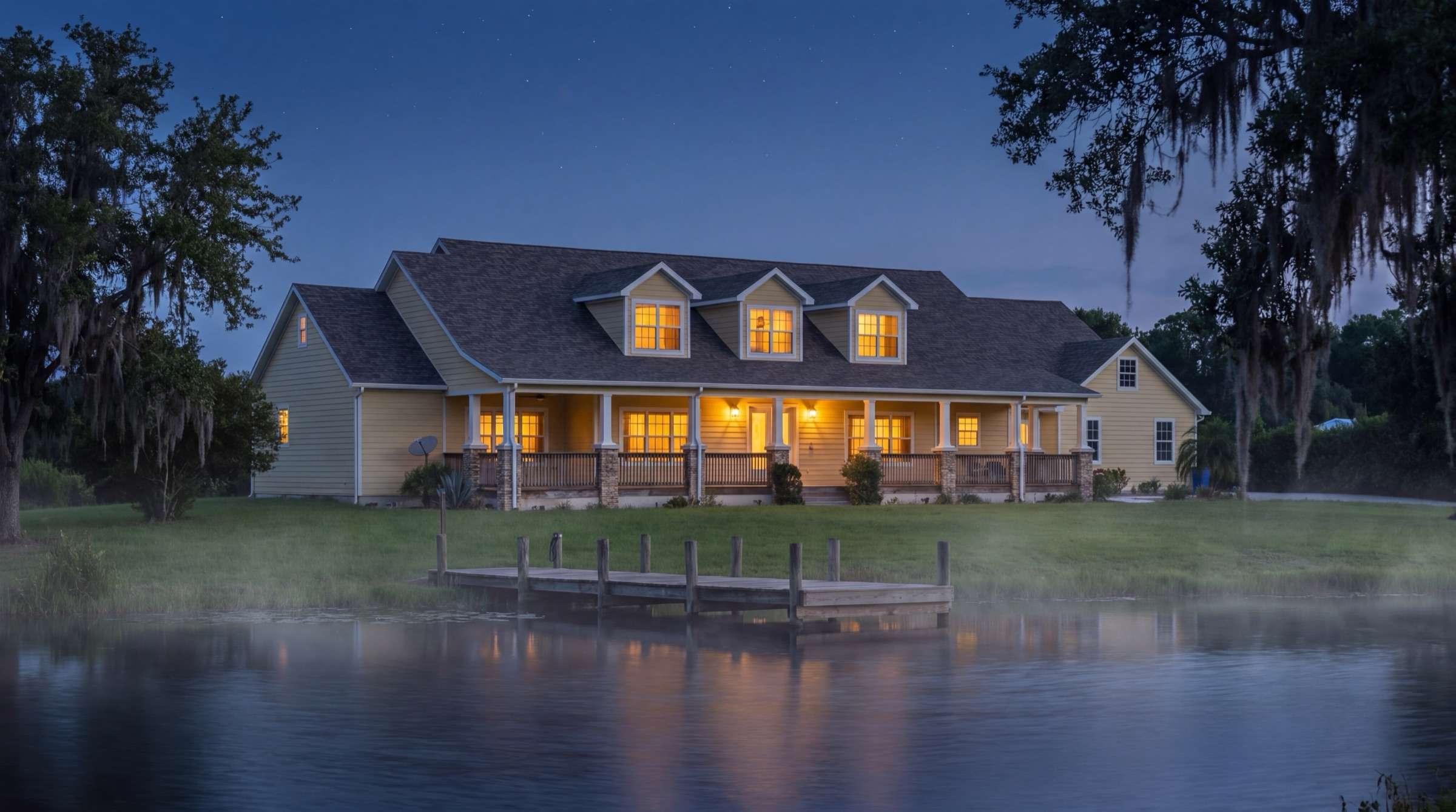
Tikvah Lake Recovery, inpatient mental health treatment setting

Conditions

What we catalogue.
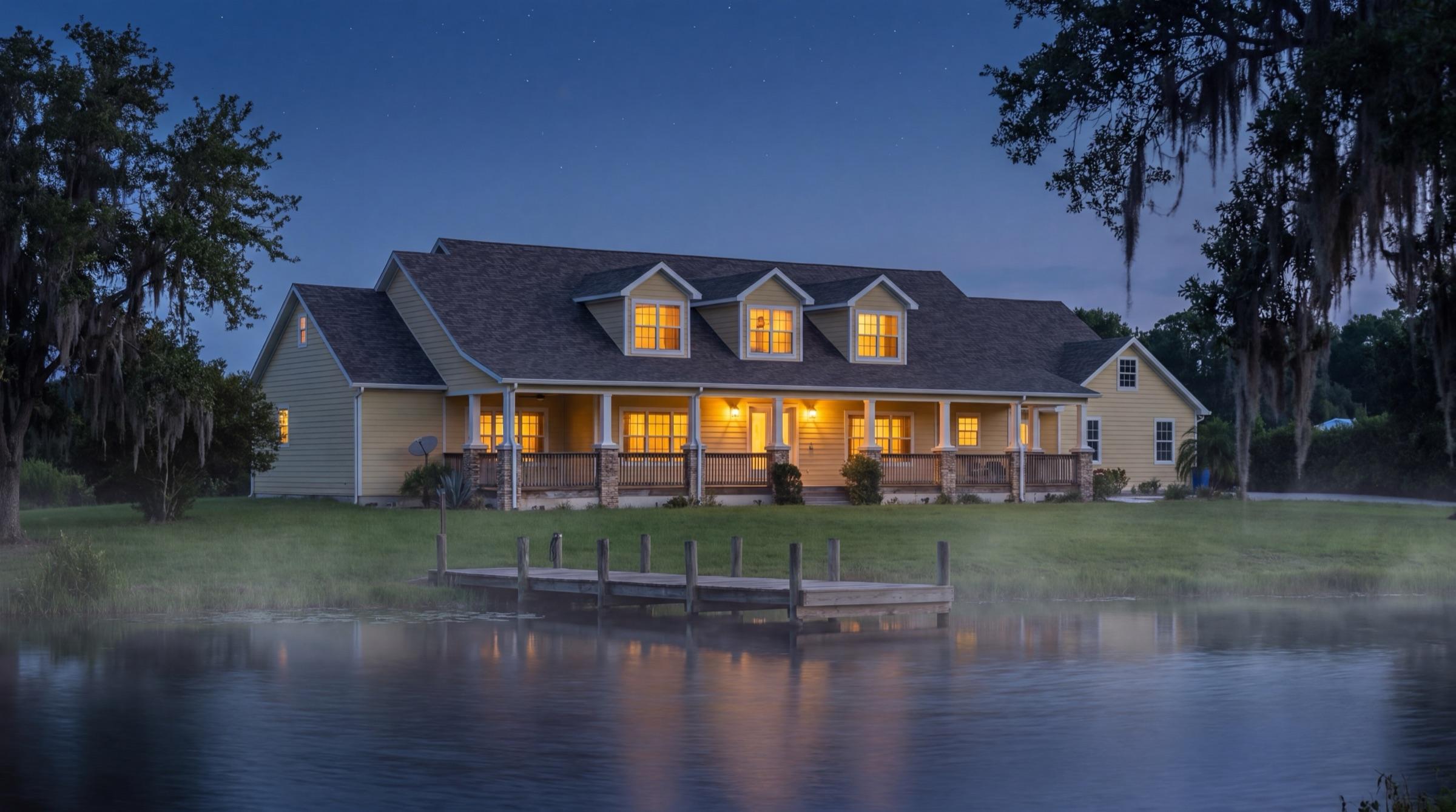
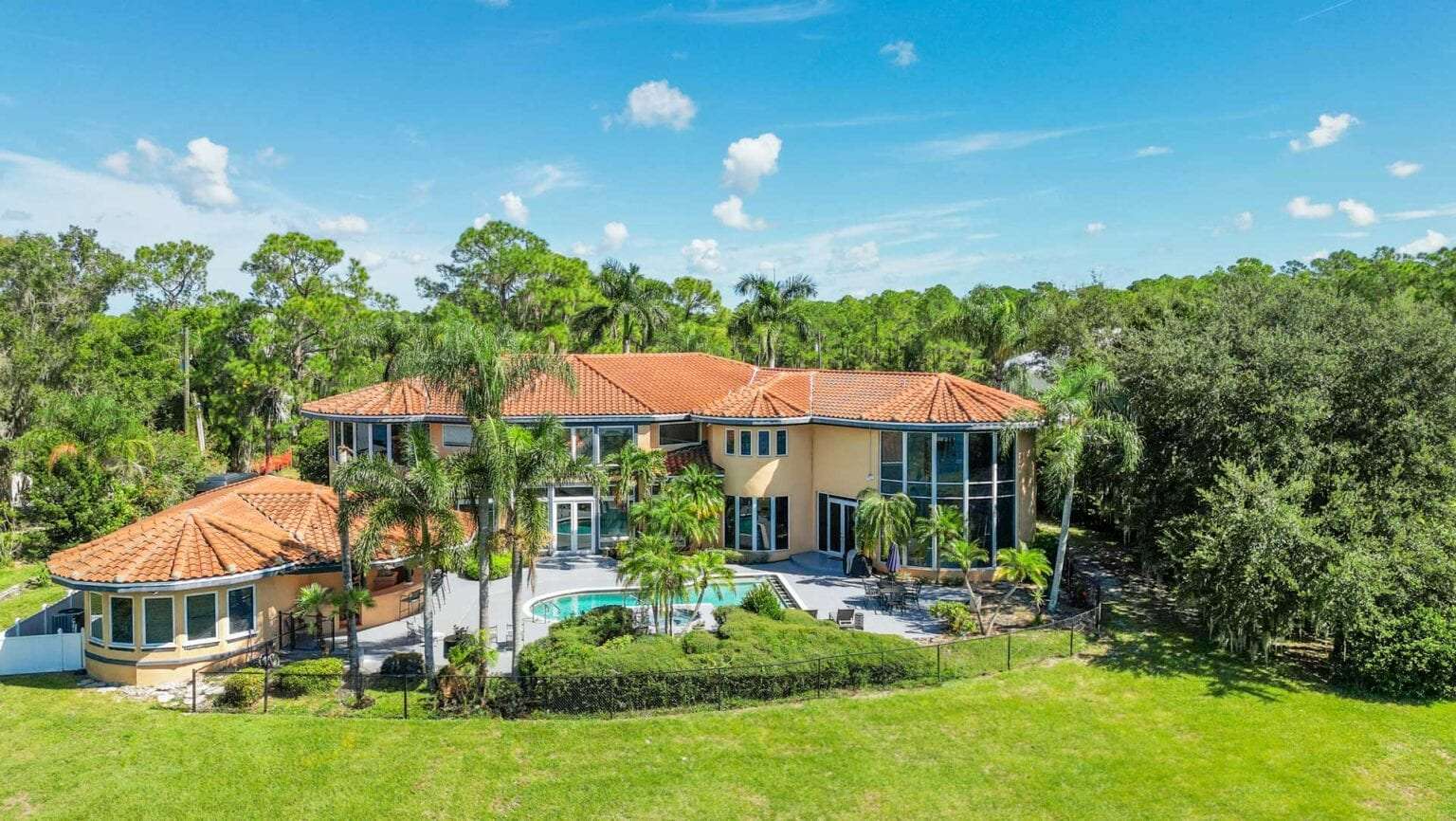
Maui Recovery, residential grounds

Where healing happens

The right setting changes everything.

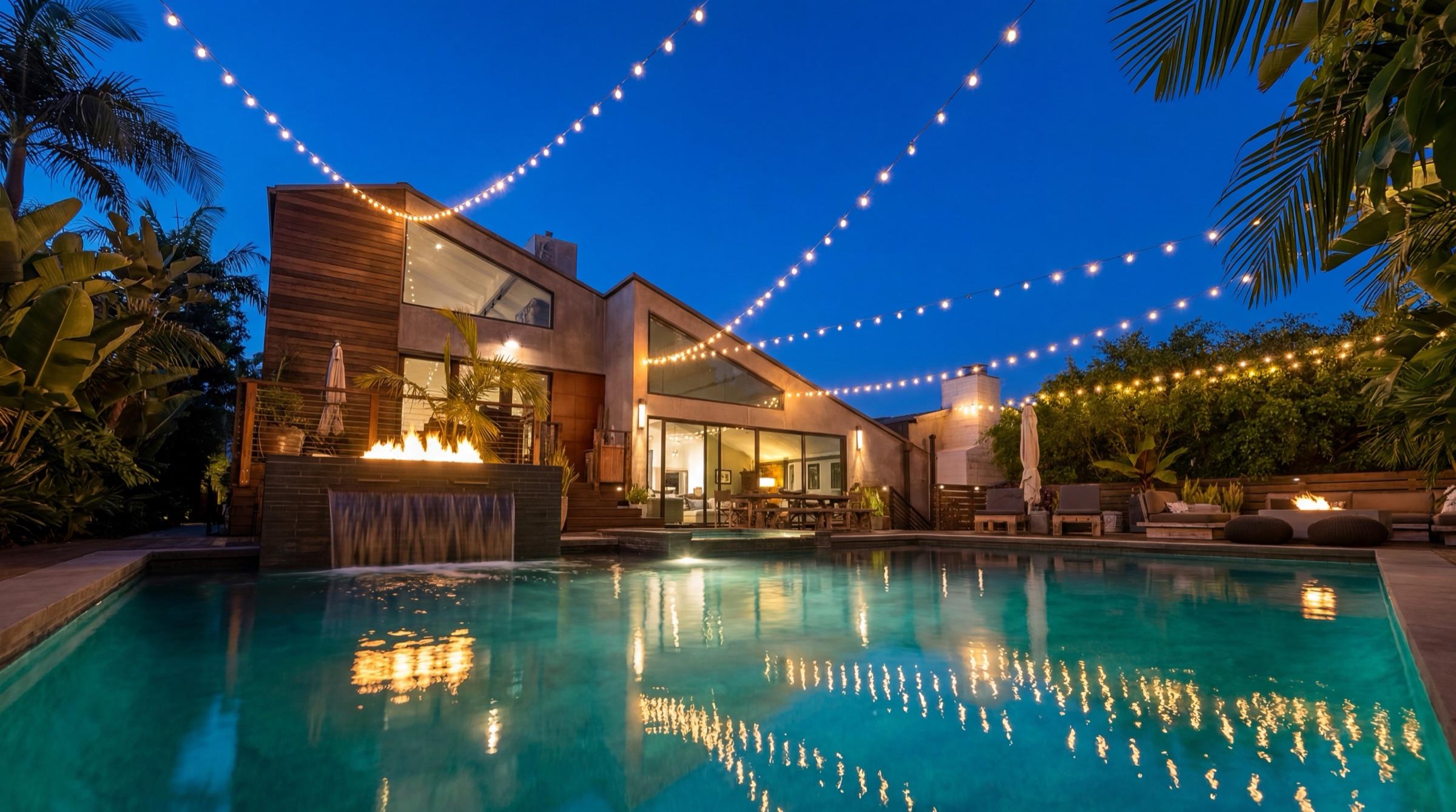
Each center below has been selected for clinical depth, privacy, and a setting that supports the work of recovery. For the most private care of all — one client at a time — see our review of luxury mental health treatment in Switzerland. On the California coast, our guide to luxury mental health treatment in Malibu covers the six-client residential model above the Pacific.

Centers that treat mental health

11 catalogued centers.

Not sure which program fits?

Tell us what the situation actually calls for — the diagnosis, how urgent it is, how far someone can travel — and we'll point you to the program built around it. Including, when it's the honest answer, one we don't list.

Common questions

Mental health treatment, answered.

What is luxury mental health treatment?
Luxury mental health treatment is residential psychiatric and psychological care delivered at small intake sizes, typically six to twelve guests, with senior clinical staffing, daily access to board-certified psychiatry, and private settings that protect confidentiality. It treats depression, anxiety, trauma and PTSD, bipolar, eating disorders, personality disorders, and executive burnout.
How is residential mental health treatment different from outpatient care?
Residential treatment provides 24-hour clinical supervision and a structured therapeutic environment that outpatient care cannot. It is the appropriate level of care when symptoms are severe, safety is a concern, prior outpatient work has not held, or the home environment is itself a barrier to recovery. Luxury residential adds clinical density, meaning far lower staff-to-client ratios than standard residential, not a different evidence base.
What conditions do luxury mental health programs treat?
The core categories are trauma and PTSD, complex trauma, depression, anxiety disorders, bipolar, eating disorders, personality disorders, and executive burnout. Most programs treat these as integrated, co-occurring presentations rather than in isolation, because the clinical realities that drive residential admission rarely arrive one at a time.
Can a residential program treat mental health without addiction?
Yes. Several catalogued programs are mental-health-primary: they admit clients for depression, trauma, mood, anxiety, or eating disorders with no substance-use component. Amend Malibu is the clearest example in this index — every condition it treats is a psychiatric one. We mark which centers treat each condition, so a mental-health-only presentation can be matched to a program whose clinical strengths actually fit rather than to a general addiction facility.
What if substance use is also part of the picture?
Then it belongs in the conversation, and most of these programs are built to hold both — a co-occurring presentation is treated as one clinical picture rather than two referrals. What changes is which condition organises the admission. In a mental-health-primary program the diagnosis is the reason for the stay and the psychiatry, therapy schedule, and clinical team are arranged around it.

Browse mental health programs