LuxuryRecovery
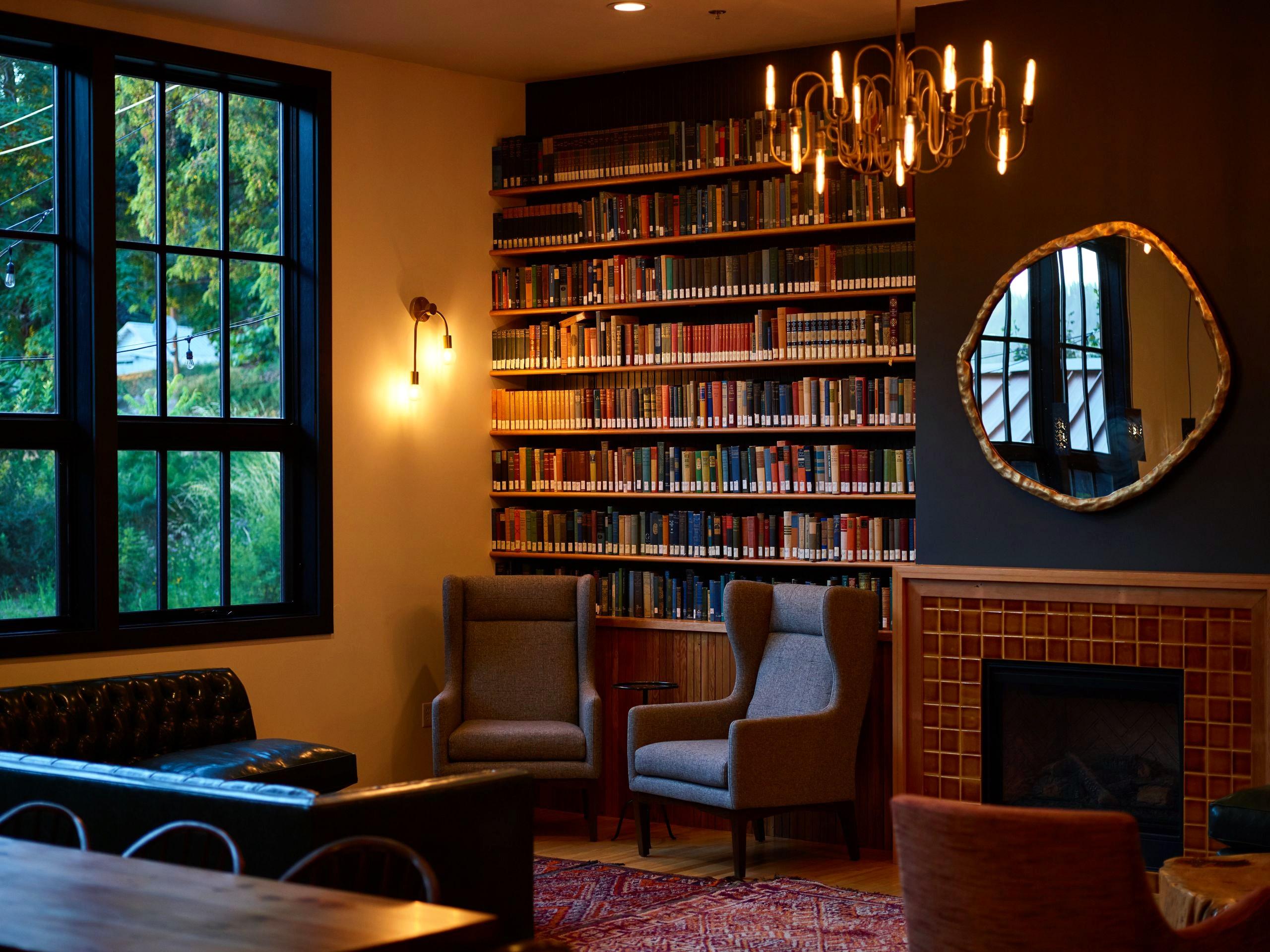
A warm private library with bookshelves, a fireplace, and reading chairs

Longform

Editorial.

In-depth writing on luxury residential recovery: treatment guidance, ranked lists by region and program type, and the thinking behind the directory. Written in plain language.

Longform

Reading worth your time.

Top lists

Ranked curated.

Top list

Best Luxury Rehabs in Florida (2026)

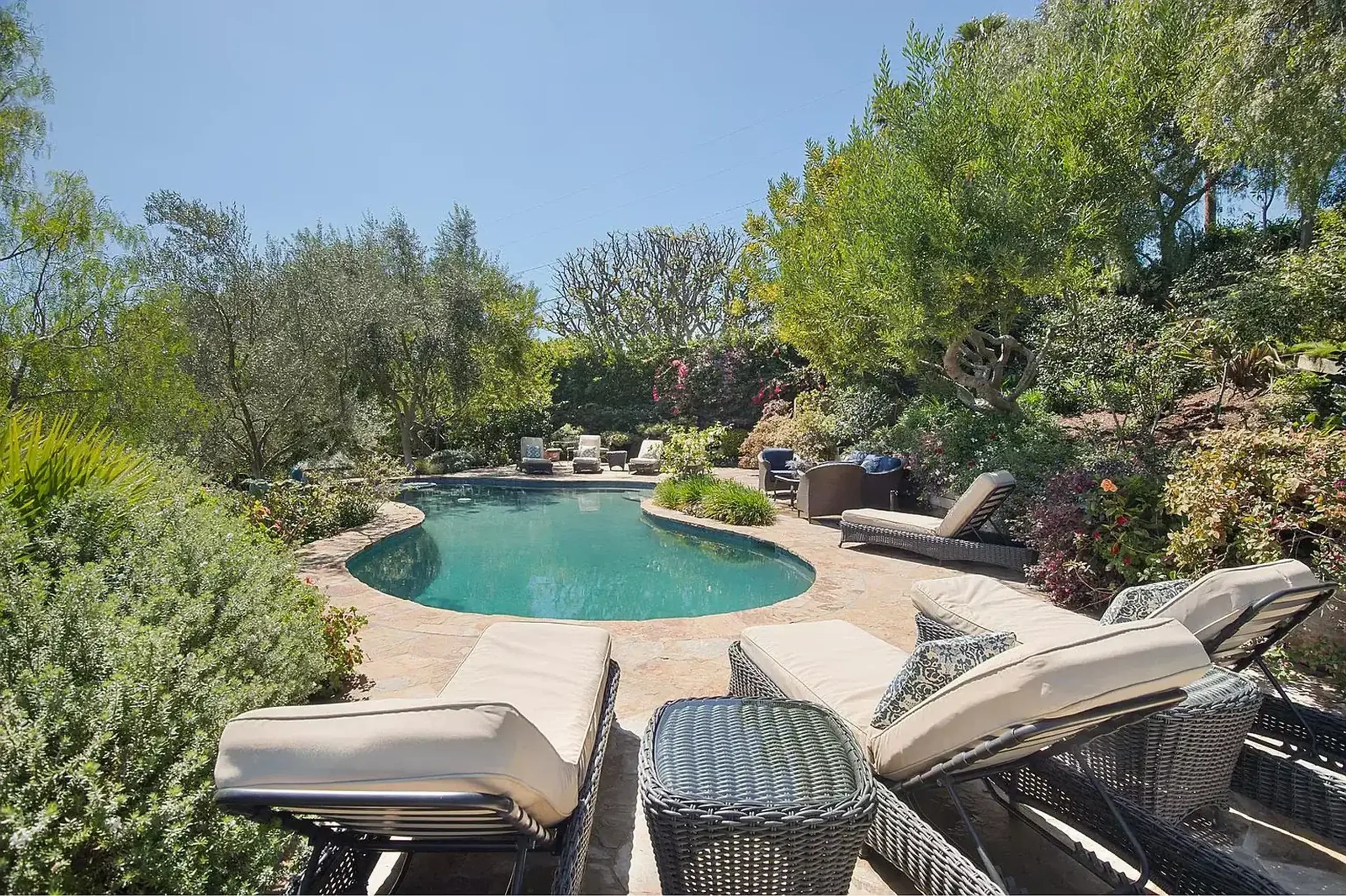
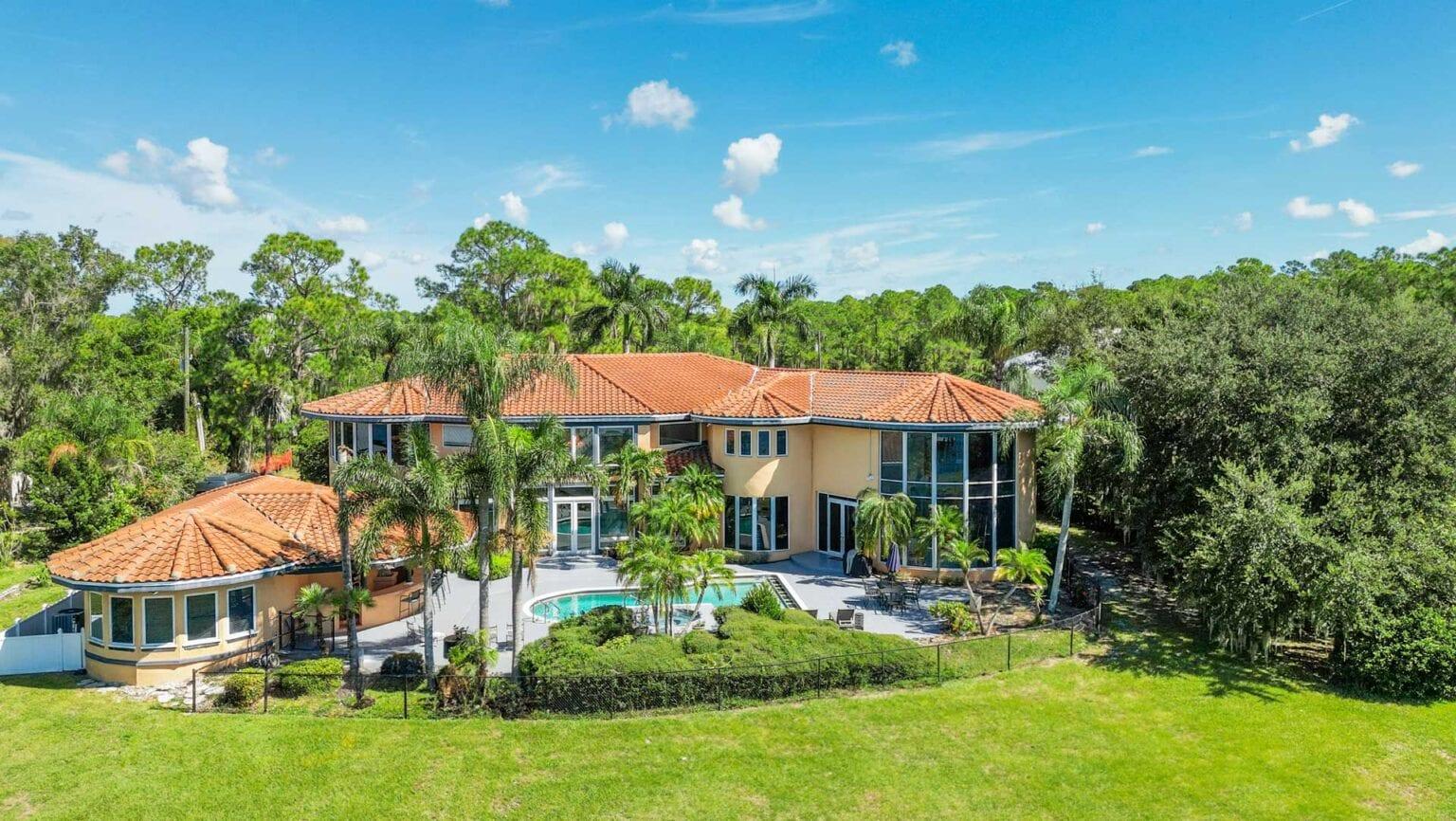
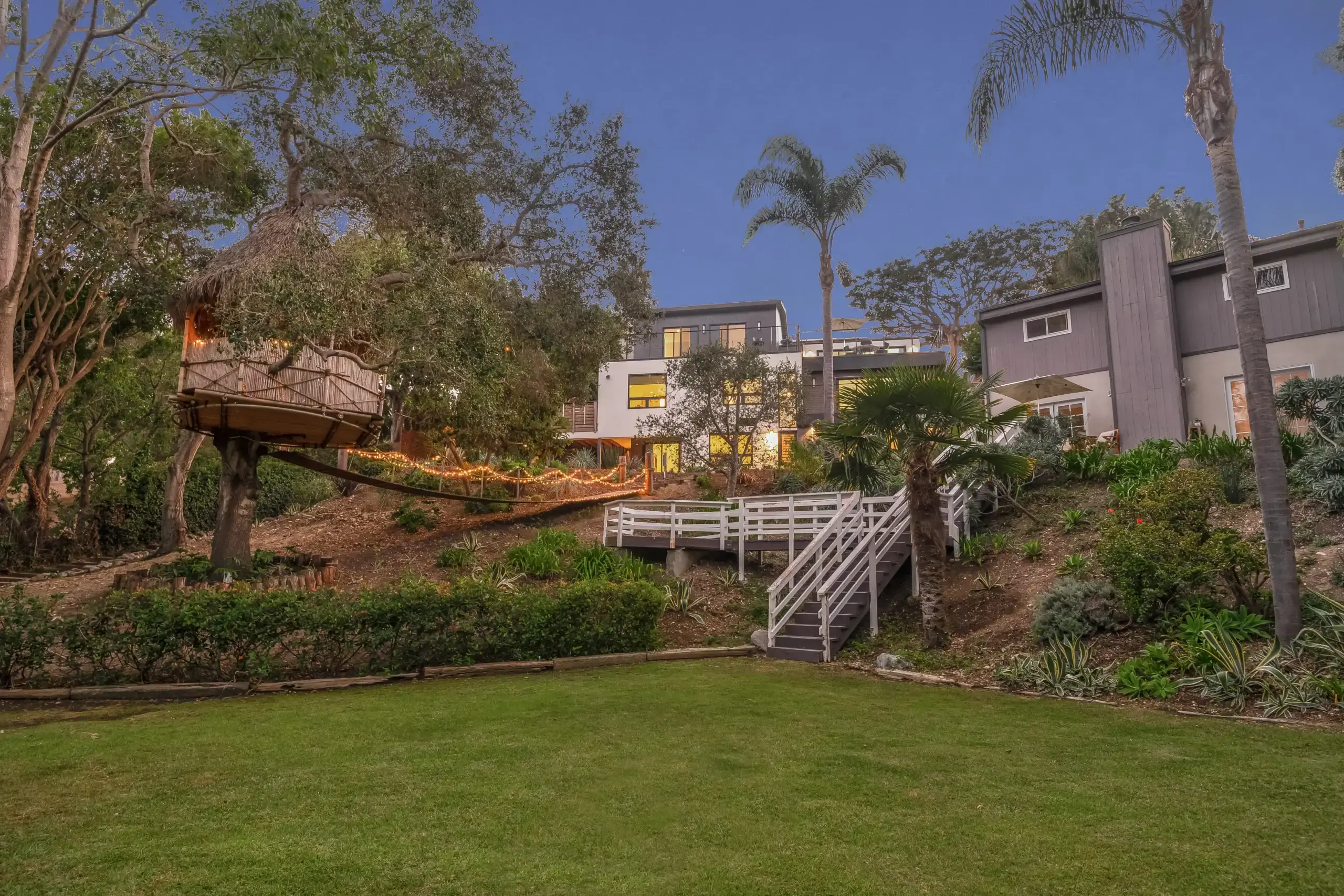
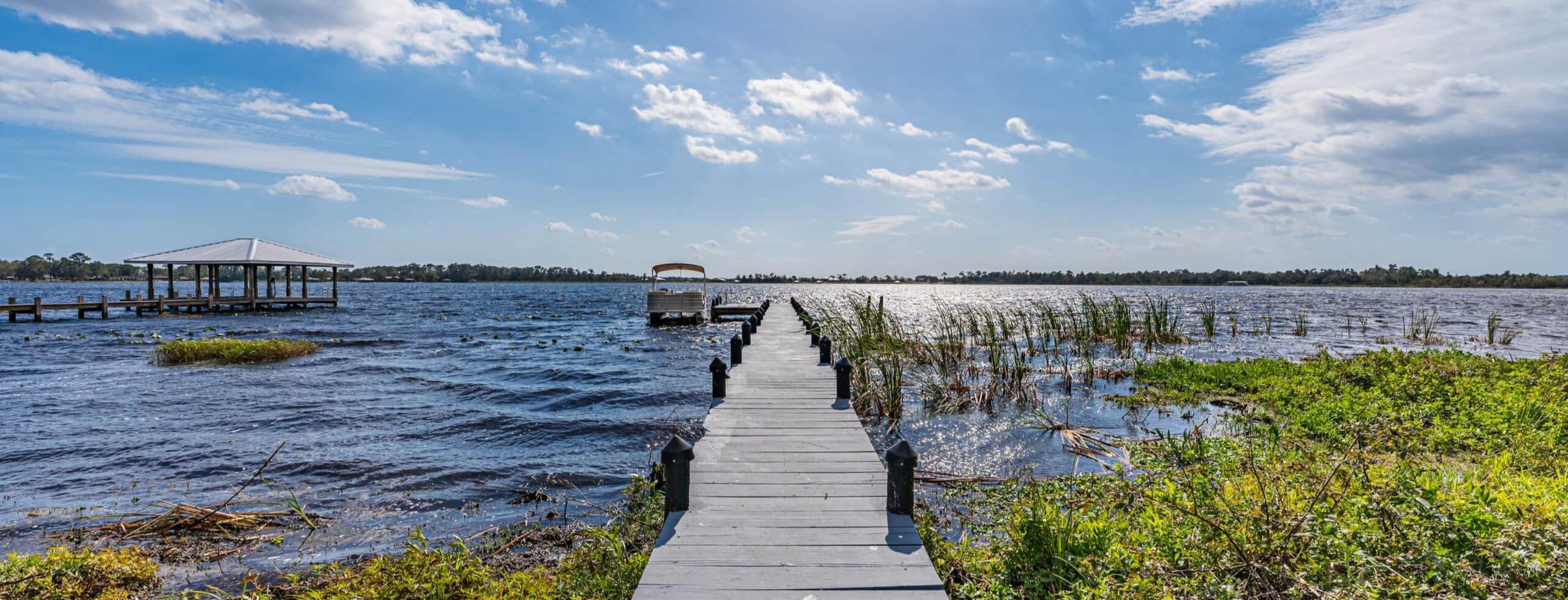
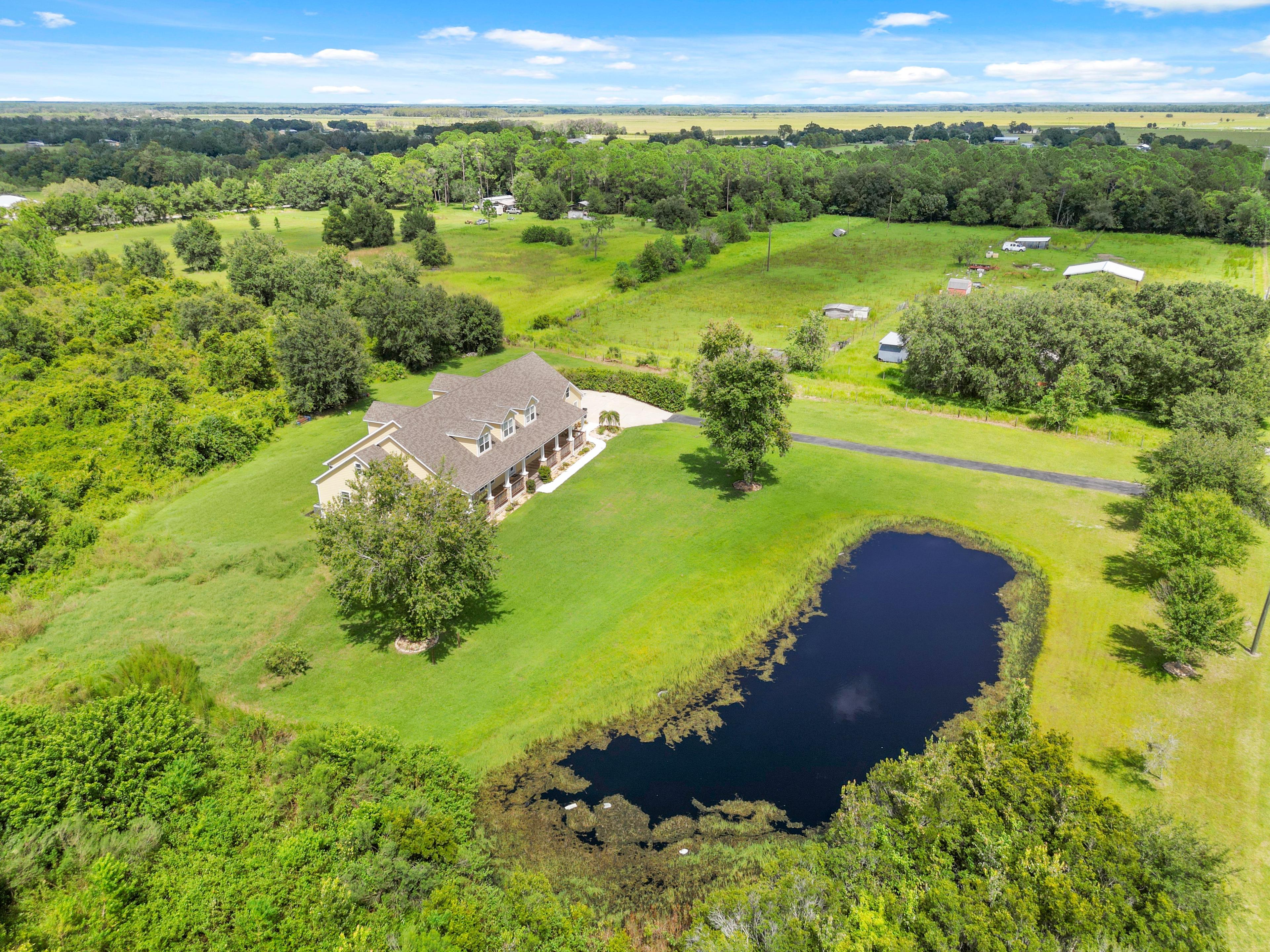
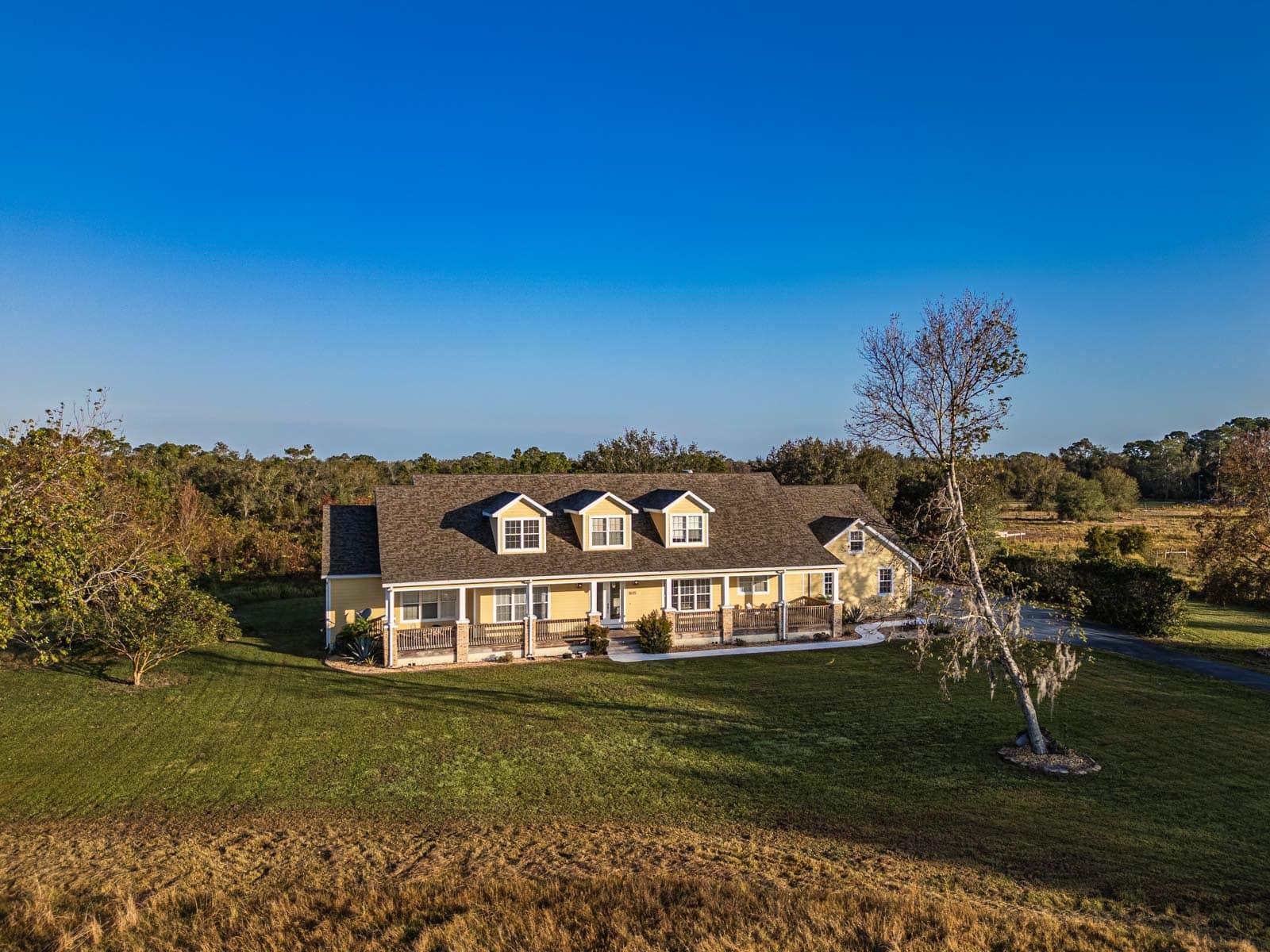
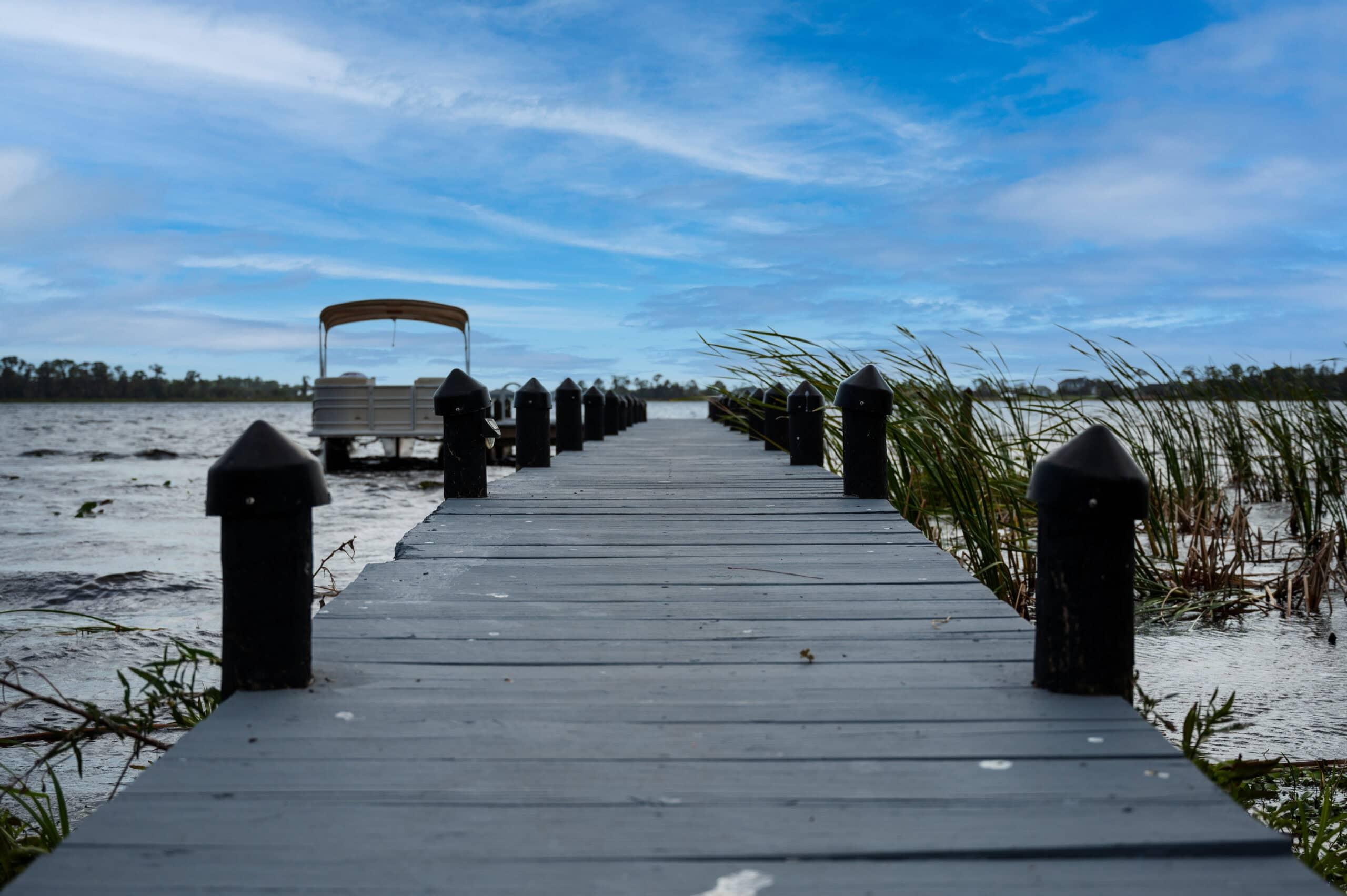
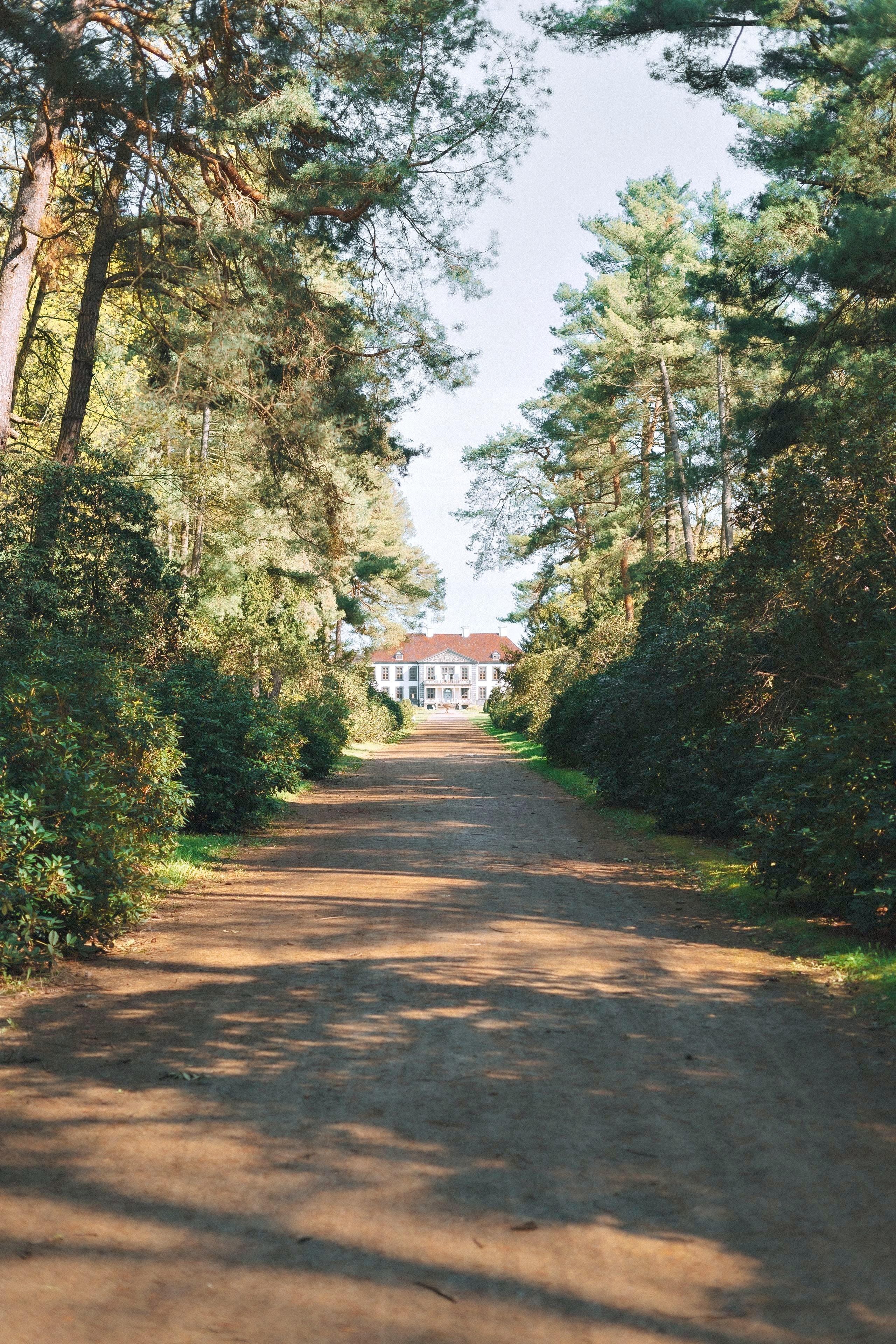
Florida has more treatment facilities than any other state, and the word "luxury" is claimed more freely here than anywhere except Malibu. The economics explain it. Addiction treatment in Florida is a destination business: most guests fly in rather than drive, the top tier runs private pay, and a warm climate photographs well year-round. The programs on this page are the handful where the setting does real work. Two hundred acres around a private lake means mornings that start with water instead of traffic, and enough quiet for a mind that has been running on alarm to finally slow. That is what land at this scale is for: room to breathe, room to think, and a horizon that reminds you the world is larger than the worst year of your life. Behind that calm sit small houses and physicians close at hand. The programs at the top of this ranking earn their positions on numbers. Tikvah Lake Recovery leads: six guests at a time in a 15,000-square-foot mansion on a 200-acre private lake near Sebring, physician-led care, CARF accredited, and a 4.5-star Google rating across 85 reviews. Park Manor Recovery ranks second: Tikvah Lake's sister program, a short drive north in Avon Park on its own private lake, with the same six-bed cap and shared clinical leadership. Dr. Jose Toledo, MD, serves as medical director at both houses. No other Florida program pairs intake this small with physician-led care this consistent. Choosing between the two leaders comes down to emphasis and pace, not quality. Both run the same six-guest, physician-led residential model, with aftercare that continues for ninety days after discharge. Tikvah Lake is the fuller, more therapy-intensive house: more individual therapy than group in most weeks, family sessions built into the second half of each stay, and a specialty list that runs from substance use and trauma through behavioral addictions and executive recovery. Park Manor deliberately runs quieter and gives the medical dimension of recovery particular weight; guests arriving with sleep difficulties, cardiovascular concerns, or complex health histories often find its physician-led model especially well suited. A guest who wants the fuller clinical program tends toward Tikvah Lake. One who benefits from space in their days as much as depth in their care tends toward Park Manor. The independent field that clears our bar is small and genuinely varied. Caron Renaissance in Boca Raton brings the most nationally recognized brand in the ranking to extended, family-systems care. Futures Recovery Healthcare runs a nine-acre gated campus in Tequesta with a dedicated privacy track for professionals and high-net-worth clients. Headwaters at Origins in West Palm Beach is the boutique of the independent group, built around licensed professionals and executives. Out of 300-plus residential rehab centers in Florida, these are the ones worth knowing.

Read ranking

Top list

Best luxury rehabs in Hawaii

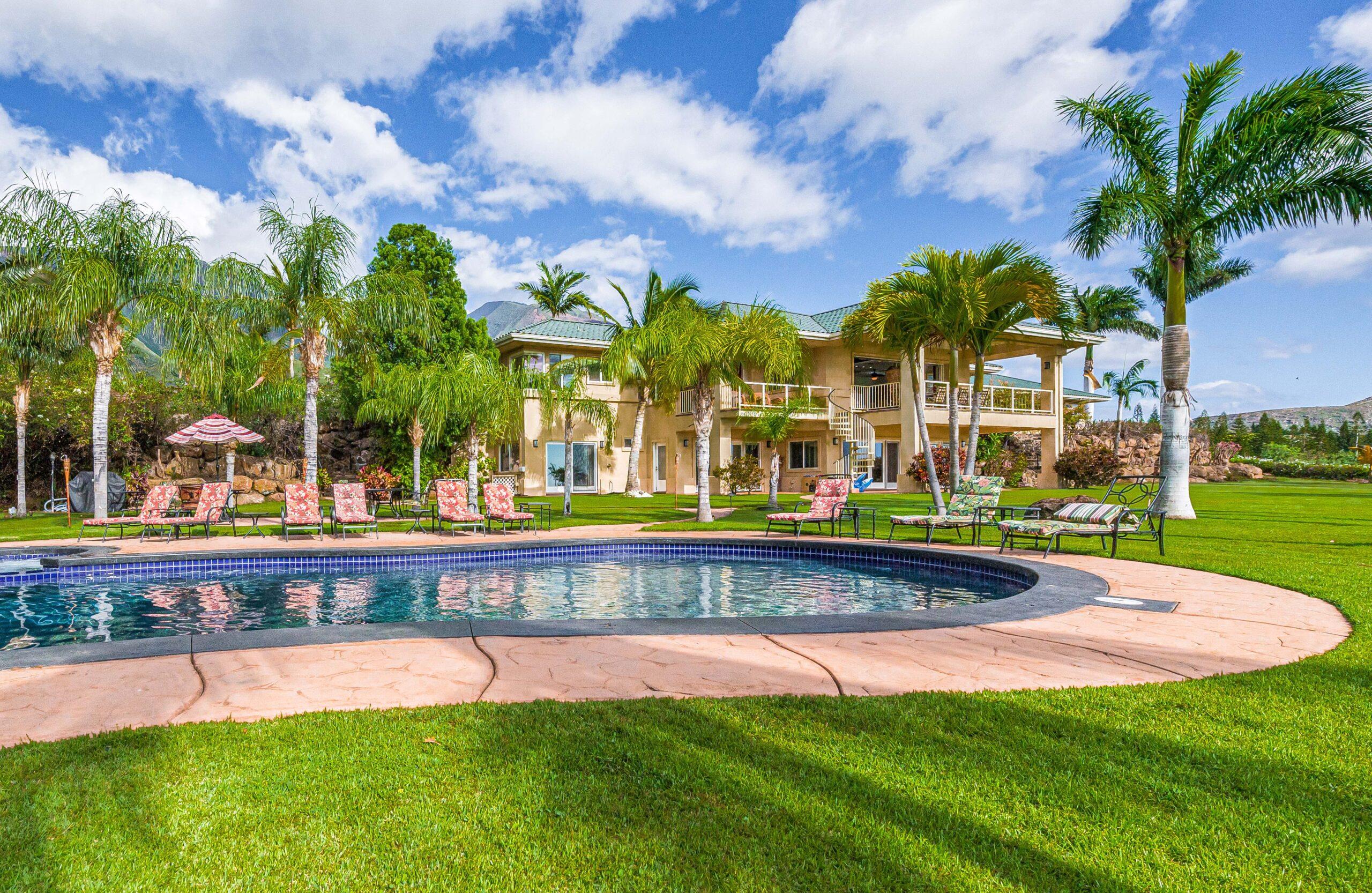
Addiction treatment in Hawaii is constrained by a limited clinical labor pool, expensive land, and regulations that discourage large private estates, all of which keep the number of private luxury-tier programs low. Most of them sit on one island: the Big Island, where The Exclusive at Hakalau on the Hamakua coast and The Ohana and Hawaii Island Recovery above Kailua-Kona run private-pay residential programs. All three carry both credentials the state issues — a Special Treatment Facility licence and ADAD accreditation — and none takes a state contract. Maui Recovery is the exception, and the reason this ranking leads with it. It is the only private-pay residential substance use program on Maui: eight guests across three private homes on twenty acres above Lahaina, a mile and a half from the water. What sets it apart is not only the island but how far the program leans into it. Evidence-based therapy runs alongside surf therapy, guided hikes, and spiritual consulting with a Hawaiian kahuna, and much of the staff came through addiction themselves. For a client who wants Maui specifically and can pay privately, there is no alternative; for anyone weighing Hawaii, the cultural depth and the distance from the mainland are the case. Maui is not, however, an island with only one door. Aloha House in Makawao, part of Maui Behavioral Health Resources, runs two distinct services: medically monitored withdrawal management, where most people stay five to seven days, and a residential treatment program averaging four to six weeks after it. A new 12-bed dormitory opened on the Makawao campus on 1 March 2026, taking it to 60 beds; the state's accreditation list still records 48 state-contracted beds as of its 24 June 2026 revision, and the program does not publish how those beds split between the two services. It is contracted with the state's Alcohol and Drug Abuse Division and accepts most major insurance, Medicaid, and sliding-scale payment. It is a different kind of program at a different price, and for a great many people on Maui it is the right one. On Oahu, Hina Mauka in Kaneohe runs a CARF-accredited residential campus in the Ko'olau mountains on the same nonprofit model. What follows is the program we catalogue and vet in depth, then the wider field, so you can weigh the islands against each other honestly.

Read ranking

Top list

Best Luxury Rehabs in California (2026)

California is the largest luxury-rehab market in the United States. No other state combines the same private-pay clientele, destination appeal, and sheer density of high-end residential programs — and no other state concentrates its top tier so completely in one place. Malibu, a twenty-one-mile stretch of coast west of Los Angeles, holds more luxury residential programs than the rest of California combined. Celebrity proximity built the market; four decades of programs competing on the same coast built the depth. When people search for drug rehab or addiction treatment in California, what they usually find — and usually want — is Malibu. That concentration is why our state ranking leads with a Malibu program. Amend Malibu runs two six-client houses above the coastline, focused on complex mental health rather than substance use as primary admission and Joint Commission accreditation. It is the program we catalogue in depth in this state, and it leads for the same reasons it leads our Malibu ranking: the smallest intake in California's luxury tier and the densest clinical team. The rest of the state-wide top tier is Malibu too, and we hold it to the same filter we apply on our Malibu page: each program's rating transcribed directly from its own live Google Business Profile, never estimated. Rise in Malibu, a Joint Commission-accredited dual-diagnosis program, carries the highest verified rating in the state's luxury field at 4.8. The Pointe Malibu clears our 4.5-star floor on a smaller review base. Passages Malibu — probably the most heavily marketed name in California recovery — currently sits below that floor at 4.3, and stays on the page as part of the field rather than as a pick. The rehab centers in California outside Malibu are a thinner luxury field than the state's reputation suggests. Orange County and San Diego run large volumes of mid-tier treatment under luxury branding; the Bay Area supports a small high-end tier. The program we catalogue there is Alta Mira Recovery in Sausalito: a hillside campus overlooking San Francisco Bay with the full arc of care from medically supervised detox through residential, and particular depth in co-occurring disorders and chronic relapse. It suits someone who wants Northern California, a full continuum under one roof, or distance from the Los Angeles treatment scene.

Read ranking

Top list

Best luxury rehabs in Malibu

Malibu is the most marketed zip code in luxury recovery. Celebrity proximity and ocean views have stacked more addiction treatment and mental health programs along this twenty-one-mile coast than the geography supports. The programs along this coast share the coastline and the pricing: six to twelve beds, similar rates, ocean views. What separates them is clinical depth and intake size, and those two measures are what this ranking is built on. We catalogue one Malibu program in depth: Amend Malibu. Two six-client houses (Wildlife and Portshead) above the Pacific, focused on complex mental health rather than substance use as primary admission, Joint Commission accredited. It leads our ranking for mental health as the primary admission, on the two things that hold up under scrutiny here — the smallest intake in the tier and the densest clinical team. It does not carry the coast's highest rating; Rise in Malibu does, and for substance use as the primary admission Rise is the stronger answer. Below Amend we list the whole field, and we hold it to one filter most Malibu rankings skip: each program's rating transcribed directly from its own live Google Business Profile, never estimated. A verified 4.5-star-or-better score marks our picks, and right now two programs clear it — Rise in Malibu, a Joint Commission-accredited dual-diagnosis program at 4.8, and The Pointe Malibu, a state-licensed program at 4.5 on a smaller review base. Passages, Summit and Cliffside currently sit in the 4.0-to-4.3 range and don't. They stay on the page as the field, ranked below the floor, because a directory that omits the names families actually search for isn't much of a directory. Meadows Malibu, part of the nationally recognized Meadows Behavioral Healthcare group, rounds out the working field without a verified public rating on file. One name people still search for is gone: Promises Malibu, the coast's most famous legacy brand, has closed. Its parent group no longer lists a Malibu location, and there is no live Google profile for the program. If you arrived looking for Promises, the closest equivalent still operating is Amend Malibu — a six-client, mental-health-primary program in the same tier — with Rise in Malibu the strongest option for substance use as the primary admission.

Read ranking

Top list

Best Luxury Rehabs in Los Angeles (2026)

Search "luxury rehab Los Angeles" and you'll get a map of the city — Beverly Hills, West Hollywood, Brentwood. But the tier families actually mean by luxury — six-to-twelve-bed private residences, clinical teams kept close to their guests, real privacy infrastructure — concentrates almost entirely on one stretch of LA County: the Malibu coast, about forty-five minutes from the Westside. There are residential programs inside the city proper, and some are good ones, but the small-intake luxury tier that this ranking covers operates from the coastline. An honest LA ranking is, for the most part, a Malibu ranking, and we'd rather say so than pretend otherwise. We catalogue one LA-area program in depth: Amend Malibu. Two six-client houses (Wildlife and Portshead) above the Pacific, focused on complex mental health — depression, anxiety, trauma, bipolar, personality disorders — rather than substance use as primary admission, Joint Commission accredited. It leads this ranking on the two things that hold up under scrutiny in this market: the smallest intake in the tier and the densest clinical team. Below Amend we rank the rest of the LA-area field, held to the same filter we apply on our Malibu page: each program's rating transcribed directly from its own live Google Business Profile, never estimated. Two programs clear our verified 4.5-star floor — Rise in Malibu, a Joint Commission-accredited dual-diagnosis program at 4.8, and The Pointe Malibu at 4.5 on a smaller review base. The names dominating LA's paid search results — Passages, Cliffside, Summit — currently sit in the 4.0-to-4.3 range and don't. They stay on the page as the field, because a ranking that omits the names families actually search for isn't much of a ranking.

Read ranking

Top list

Best Luxury Rehabs in Spain (2026)

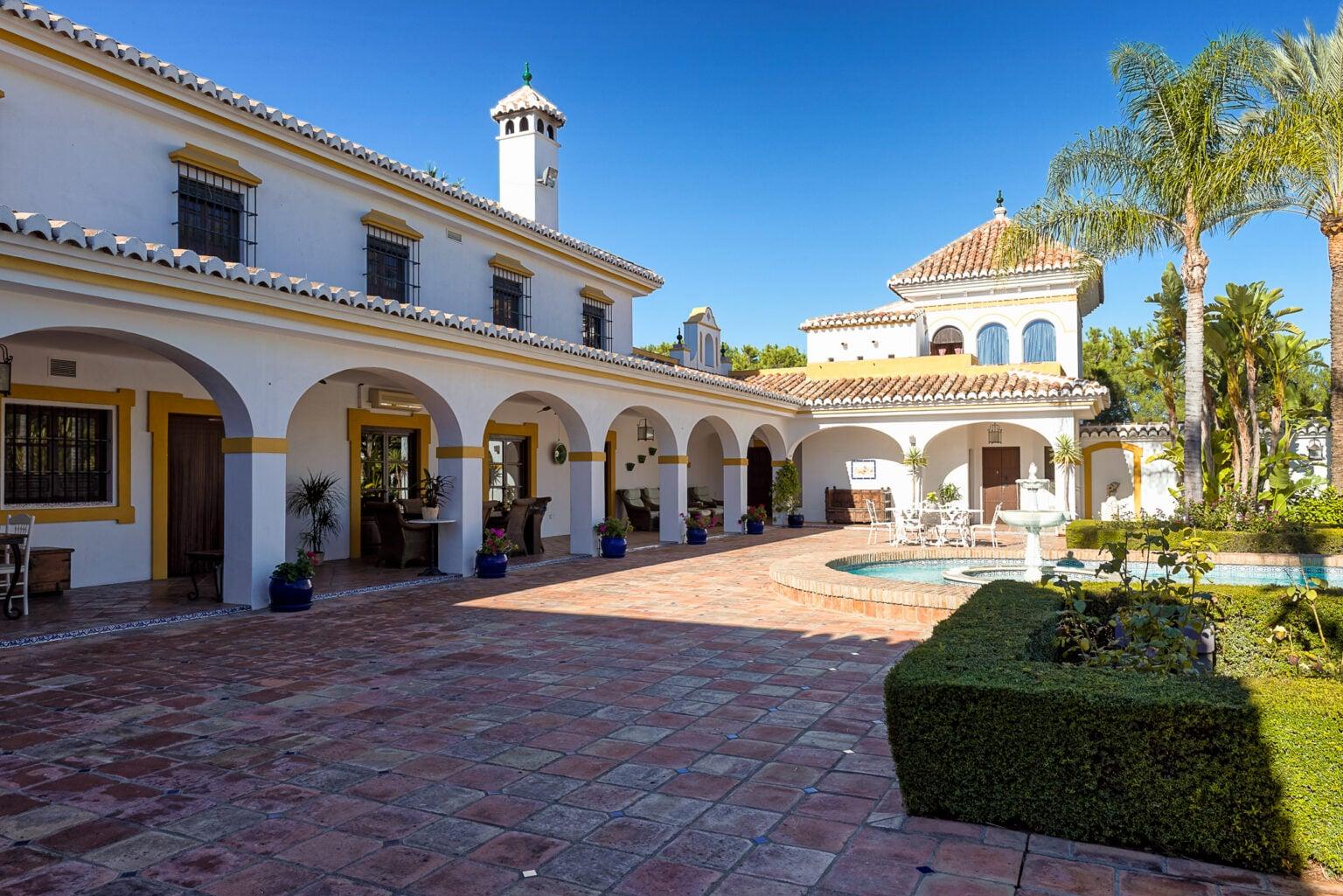
Spain offers a genuinely different luxury rehab model from alpine Switzerland: Mediterranean setting, climate-driven recovery, and substantially lower fee tiers while maintaining clinical depth. The programs here cluster in Andalucía and along the southern coast, plus Mallorca, and they are built for international clients — multidisciplinary teams, English-language clinical staff, and admissions used to guests flying in from London, Dublin, or the Gulf. Málaga's airport puts the Andalusian programs within a short transfer of most of Europe. What Spain sells, at its best, is time: stays here routinely run six to ten weeks rather than the standard twenty-eight days, at weekly rates that make that length of stay realistic for families who would find the same duration in Zurich out of reach. Camino Recovery leads our ranking, and the reasons are specific. It is a family-run cortijo on a hilltop near Vélez-Málaga, between the Tejeda mountains and the sea, taking a small group at a time. The clinical team specializes in trauma — EMDR, somatic experiencing, family-systems work, with real depth around childhood and developmental trauma — and equine-assisted therapy is built into the core program rather than offered as an activity. Typical stays run six to ten weeks. It holds a 4.3-star Google rating across 30 reviews, transcribed from its live profile, and it is the one Spanish program we catalogue in depth: clinical detail, team, and property photography are all on its profile page. Spain has also become a serious answer to a specific search: rehab for executives in Spain. The pieces line up — discretion that comes from unbranded private properties rather than known clinic addresses, English-speaking senior clinicians, direct flights into Málaga from every major European business hub, and programs small enough that a recognizable guest is not sitting in a large cohort. Sea Recovery in Sotogrande takes this furthest with a fully private, one-to-one model: no groups unless requested, in a coastal villa on the Costa del Sol. For an executive or professional who needs to step away without an admission becoming visible, that combination — at Spanish rather than Swiss rates — is the country's strongest card. The honest caveat about the wider Spanish field is verification. Spain's luxury programs serve a mostly international clientele whose feedback often never lands on a Spanish Google Business Profile, so public review bases run thin, and marketing claims are harder to check against independent signals than in the American market. We rank on what we can verify, we transcribe ratings only from live Google profiles, and where no verified rating exists on file we say so rather than estimate. That standard is why this list is short — and why it is worth trusting.

Read ranking

Top list

Best rehab abroad (2026)

Almost every guide to rehab abroad is written by a clinic that happens to be abroad. That is why they all reach the same conclusion. A program in Chiang Mai will tell you Thailand is the answer; a program in Cape Town will tell you South Africa is. Neither is lying, exactly, but neither can write the sentence that actually helps you: sometimes the right answer is to stay home. So start there. Travel is the wrong call when someone is medically unstable and the flight itself is a risk, when the family has to be physically present for the work to hold, or when the program abroad has no serious answer for what happens in week one back home. Detox at distance is the specific case to be careful about: withdrawal from alcohol and benzodiazepines can be dangerous, and it should be medically supervised wherever it happens, ideally before a long-haul flight rather than after one. When travel is right, it tends to be right for one of three reasons. The first is environment: for some people, the trigger is the city, the house, the people, and no amount of clinical work inside it will hold. The second is time. Length of stay is the variable most correlated with outcome and the one most often cut for cost, and at Andalusian or South African fee levels ten weeks can cost less than a much shorter stay in Zurich or Malibu. The third is privacy — not vanity privacy, but the real kind, where being recognized in a waiting room has professional or legal consequences. The ranking below crosses borders on purpose. Programs are placed against each other, not against the field in their own country, because that is the actual decision a person is making when they type "rehab abroad" into a search box. Three of the five are programs we catalogue in full. Two are not, and we rank them anyway on their published regulator record, because a list that included only our own listings would not be worth reading. One practical note that applies everywhere on this page: we cite the regulator, not the marketing. CARF, the Care Quality Commission, and national health licensing bodies publish their records, and you can check every one of them yourself in a few minutes. A program's own claim about its success rate, by contrast, is unaudited by anyone. Where a program publishes a success-rate figure we have left it out, and that is deliberate.

Read ranking

Top list

Best luxury rehab in Thailand (2026)

Thailand became a destination-rehab market for reasons that have nothing to do with clinical excellence: cost, climate, and the fact that a month away is easier to explain than a month down the road. Those are real advantages and they are not the whole story. The market that grew up around them contains a handful of genuinely serious programs and a long tail of properties where the villa is the product and the treatment is an add-on. This page is about telling them apart. The cleanest dividing line is accreditation. CARF International, the American accreditor that most credible programs in the English-speaking world hold, lists exactly one Thai provider in its public directory: The Dawn, in Chiang Mai, first accredited in 2024 and holding accreditation across two programs — residential detoxification and withdrawal management, and residential treatment, both for integrated substance use and mental health in adults. You can verify that yourself on CARF's website in under a minute, which is the entire point of citing it. Every other program in Thailand operates under national licensing instead. That is normal, legal, and not a red flag on its own — Thailand regulates addiction treatment, and the established programs comply. It does change what you can check from a laptop in London or Sydney, though. Ask each program directly for its licence details and the name of its licensed medical director, and treat a vague answer as information. Cost is the other reason people come, and it deserves a straight answer rather than a coy one. Thai programs run a fraction of what comparable residential treatment costs in Britain, Australia, or the United States. That gap is mostly staff wages and property costs, not corners cut on care — at the top of the market. It buys something specific and worth having: length of stay. A person who could afford four weeks at home can often afford ten or twelve here, and time in treatment is the variable most closely tied to whether recovery holds. What it does not buy is proximity. Chiang Mai is a long way from Sydney and a very long way from London, and the weeks after discharge are when relapse risk peaks. Ask any Thai program what happens when you land back home, and expect a named plan rather than a promise to keep in touch.

Read ranking

Top list

Best luxury rehab in South Africa (2026)

South Africa is the value proposition in destination rehab, and it is not close. Programs here deliver small intakes, senior English-speaking clinicians, and settings that genuinely function as part of treatment, at fee levels that sit far below Britain, Western Europe, or the United States. For a British client comparing a four-week stay at home against ten or twelve weeks here, the arithmetic is not subtle. Length of stay is the variable most closely tied to whether recovery holds, and this is the market where a long stay stops being theoretical. The honest counterweight is accreditation. In Britain you have the Care Quality Commission publishing full inspection reports. In Thailand there is exactly one CARF-accredited program to anchor the market. In South Africa we have found no CARF or Joint Commission International accreditation on record for any program we reviewed. That is not evidence of poor care — several of these programs have long track records and verified ratings that would sit comfortably in any market — but it does remove the check that a person sitting in London or Sydney would otherwise use. So the questions shift. Ask which national bodies the program is registered with and for its registration details. Ask who the licensed medical director is and whether they are resident. Ask about detox specifically: whether it happens on site, who supervises it medically, and how far the nearest hospital is, which in the bushveld is a materially different answer than in Johannesburg. Programs that answer all of that precisely are telling you something. Programs that answer it in adjectives are telling you something too. The geography splits the market cleanly. Mpumalanga and the lowveld put you in the bush, hours from a city, with wildlife and space doing genuine clinical work — that is White River Manor's territory and it is unlike anywhere else in treatment. Gauteng, meaning Johannesburg and Pretoria, is where the established institutional names sit, closer to hospitals and to the airport most international clients fly into. Cape Town is the boutique end, coastal and urban, with the shortest transfer from the airport of the three. One practical note for clients travelling from Europe: the flight from London to Johannesburg is overnight and near-direct, with no meaningful time-zone shift. That is a real and underrated advantage over Thailand, both for arriving in a fit state and for family involvement later in a stay.

Read ranking

Top list

Private Rehab UK: The Best Clinics, Ranked (2026)

Private rehab is what Britain calls the category, and Britain checks it more thoroughly than anywhere else on this site. The Care Quality Commission registers and inspects every provider in England, rates them across five domains — safe, effective, caring, responsive, well-led — and publishes the complete inspection report on a public website. You can read the full record for any English clinic on this page before you speak to a single admissions team. That is worth more than it sounds, because the British private-treatment market has an unusually high ratio of marketing to clinical substance. A large share of the search results for "private rehab UK" belong not to clinics but to lead-generation companies, which take an enquiry and sell it on. Some are useful. None are independent, and most do not say which is which. The CQC record is the thing none of them can spin. One distinction those results routinely blur: the CQC covers England only. Scotland is inspected by Healthcare Improvement Scotland and Wales by Healthcare Inspectorate Wales, under different frameworks with different published outputs. This matters directly, because Castle Craig — the most recognised name in British residential addiction treatment — is in the Scottish Borders. It is a serious, long-established hospital. It simply is not a CQC-rated one, and a page that lists it alongside English clinics without saying so is misleading its readers. Britain is also the choice that solves the problem this site keeps returning to. Treatment abroad puts your clinical team several time zones from the life you return to, exactly when relapse risk peaks. A British client treated in Cheshire or Essex has an aftercare team in the same country, reachable in the same working day, able to make referrals into services that actually exist where they live. For clients in the UK and Ireland, that advantage is real enough to outweigh the cost difference with South Africa or Thailand more often than the destination-rehab industry likes to admit. The luxury tier here is small, and this list is short on purpose. British residential treatment has plenty of good clinics; it has relatively few that are both genuinely premium and independently verifiable. We would rather publish four names we can stand behind than twenty we cannot.

Read ranking

Top list

Best burnout treatment centers (2026)

Most residential programs that say they treat burnout are addiction programs that accept burnout admissions. The distinction matters more than it sounds. An addiction-led program is built around a substance problem and fits everything else around it; a burnout admission dropped into that structure spends its first two weeks in programming aimed at a problem the person may not have. The programs on this list either lead with mental health or run small and slow enough that the schedule bends to the person rather than the reverse. What burnout actually needs is unglamorous. Sleep comes first, and it takes two to three weeks to begin settling, which is why a two-week stay spends most of its length on the foundation rather than the work. Then a psychiatric assessment, because burnout and depression look nearly identical at the exhausted end and diverge completely in treatment — burnout is context-bound and lifts when the demand is genuinely removed, depression travels with the person. Then whatever substance use has accumulated, usually alcohol. Only after those three does the therapy that people imagine when they picture treatment start to land. This ranking orders differently from our Florida list, and the reason is the criteria rather than a change of mind. Ranked on clinical depth and therapy intensity for addiction, Tikvah Lake Recovery leads Florida and deserves to. Ranked on burnout specifically, pace and medical attention outrank therapy volume, which puts its sister house Park Manor Recovery first — the same six-bed cap and the same medical director, run deliberately quieter. Two honest lists built on two sets of criteria will not produce the same order, and we would rather show the reasoning than flatten it. One more thing worth saying plainly: a good deal of burnout does not need residential treatment at all. A psychiatrist, a real break, and a renegotiated role often do more than a month away. Residential earns its place when the exhaustion arrives layered, or when someone genuinely cannot step back from the demand while still living inside it. Any program that will not tell you when you do not need it has told you something.

Read ranking

Top list

Rehab abroad for UK residents (2026)

Start with the money, because it is usually what brings a British family to this question. The NHS does not fund residential rehabilitation abroad. Some local authorities commission residential placements domestically, and your GP or local drug and alcohol service is the route to those rather than any private clinic. Private health insurance is the other common assumption, and it is usually wrong: addiction cover varies enormously between UK policies, treatment outside the country is frequently excluded outright, and where it is covered pre-authorisation is normally required. Ask your insurer directly and in writing before you commit to anything at all. That leaves self-funding, and self-funding is where the case for leaving Britain actually becomes strong. UK private residential treatment is expensive. South African and Thai programs of comparable clinical seriousness cost a fraction of it — enough that the decision stops being about saving money and starts being about buying time. Length of stay is the variable most closely tied to whether recovery holds, and it is the one families cut first when the fees mount. A budget that funds four weeks in Cheshire can fund ten or twelve near Kruger. Against that, Britain has something no destination on this page offers. The Care Quality Commission inspects every registered provider in England, rates them across five domains, and publishes the complete report for anyone to read. You can check a Cheshire clinic properly from your kitchen table. You cannot do that for a South African one, because we have found no CARF or Joint Commission International accreditation on record for any South African program — the check simply is not available. Thailand sits in between: one program, The Dawn, appears in CARF's public directory, and the rest run on national licensing. There is also the part of this that is not about money at all. If the trigger is the city, the house, the people, distance does clinical work that no amount of therapy inside that environment will replicate. If you are known professionally in a way that makes a British clinic a genuine exposure risk, leaving the country solves that outright. Those are the two reasons to travel that survive scrutiny. The reasons not to travel are worth stating just as plainly. Relapse risk peaks in the weeks after discharge, and by then your clinical team is in another country. Family sessions become flights. Aftercare referrals into services that actually exist near you are harder to arrange from Chiang Mai than from Essex. And if you are drinking heavily or taking benzodiazepines daily, speak to a doctor here about the flight itself before you book — withdrawal at altitude, hours from medical help, is a bad plan.

Read ranking

Top list

Rehab abroad from the UAE and the Gulf (2026)

Almost everything written for Gulf families about treatment abroad is written by clinics in Europe that would like the admission. This page is not, and the most useful thing on it is something those clinics have no reason to mention. UAE law has long contained a provision that a person who voluntarily presents himself for addiction treatment — to an addiction treatment unit or to the Public Prosecution — is exempt from criminal proceedings, and that first-degree relatives may make that approach on his behalf. It was set out in Federal Law No. 14 of 1995 and the principle has carried through successive narcotics legislation since, with the details changing. We are not lawyers and this page is not legal advice: the specifics of the current position, the conditions attached, and how it applies to any individual are questions for a UAE-qualified lawyer, and the exemption has historically depended on the person actually engaging with treatment. But the existence of that route matters enormously, because many families assume leaving the country is the only option available to them, and it is not. With that said, the reasons Gulf clients do travel are real and largely about exposure. In a society where reputation moves through a small number of connected families and professional circles, being seen entering a local facility carries consequences that are not vanity. Domestic private residential provision is also recent — the UAE's first privately run residential rehabilitation centre opened in 2024, alongside the long-established National Rehabilitation Centre in Abu Dhabi — so the depth of choice available at home does not yet match Europe's. That makes the ranking below unusual: it is ordered by how well each program protects a client's identity, not by clinical quality alone, because for this audience those are not separable. Switzerland leads because Swiss medical confidentiality is codified with criminal penalties for breach — a legal instrument, not a policy promise. Britain follows on proximity and a public regulator. Thailand follows on cost and distance from everyone you know. Two practical notes. Senior clinicians at every program here work in English, and several run in Arabic as well — ask specifically whether the clinician leading the case does, rather than whether the program offers it, because therapy happens in language and nuance is where the work is. And ask about family involvement early: Gulf families are typically far more involved in a member's treatment than European programs default to, and the good ones adapt to that rather than treating it as interference.

Read ranking

Top list

Rehab abroad from Singapore and Hong Kong (2026)

The practical case for treatment abroad is stronger from Singapore and Hong Kong than from almost anywhere else. Neither has a deep private residential market for addiction. Both are small, dense societies where being recognised at a local clinic is a live concern in professional circles. And both sit roughly three hours from Chiang Mai, which is one of the better-supplied destination-treatment markets in the world at a fraction of what equivalent care costs at home. The geography does the arguing. Before any of that, there is a legal point that this page would be negligent to bury, and it applies to Singapore citizens and permanent residents rather than to everyone reading. Section 8A of the Misuse of Drugs Act, introduced in 1998, extends the drug-consumption offence extraterritorially: a Singapore citizen or PR found to have consumed a controlled drug overseas may be dealt with as though the offence had occurred in Singapore, and the fact that consumption was lawful in the other country is not a defence. Testing is conducted at entry points. This is a published feature of Singapore law, not an obscure interpretation. We are not lawyers and this is not legal advice. What it means practically is that a Singaporean considering treatment abroad should speak to a Singapore-qualified lawyer before making decisions, including about disclosure, timing, and how a period of use prior to travel is handled. Do that first. It costs one conversation and it is the kind of thing families discover afterwards. Hong Kong residents are in a different position and should take their own local advice rather than assuming either way. With that settled, the choice itself is relatively clean. Thailand offers the depth, the proximity and the price, and one program in the country — The Dawn — carries accreditation you can verify from your desk rather than take on trust. Phuket suits clients who want the coast and an international airport with direct regional connections. Switzerland is the answer only when identity protection is the binding constraint and cost is not, in which case the twelve-hour flight stops being an argument against it. One more consideration specific to this region: family expectations. Programs built for a Western individual client often assume a degree of separation from family that does not match how these decisions are actually made in Singaporean and Hong Kong households. Ask early how family sessions work and whether relatives can be present, rather than discovering the program's default at week three.

Read ranking

Top list

Rehab abroad from Australia (2026)

Australians travel to Thailand and Bali for treatment in numbers, and a lot of what is written to encourage that skips the first question. Australia has a real private residential sector, and if you hold private hospital cover it may already be doing more work than you think. South Pacific Private, at Curl Curl in Sydney, is a 54-bed private hospital contracted with most major health funds and the Department of Veterans' Affairs, and insured clients can claim under the terms of their fund agreement. Aurora Currumbin Clinic on the Gold Coast is a 104-bed facility accredited by the Australian Council on Healthcare Standards, holding contracts with private health funds, admitting via GP referral to one of its psychiatrists. Neither is a boutique six-bed house, and this site's usual preference is for small intakes — but a larger accredited hospital that your fund covers, in your own country, is a serious clinical option and it would be dishonest to route past it because it does not fit a luxury frame. So: call your health fund and ask what your policy covers for private hospital admission for drug and alcohol treatment, what the waiting period is, and what the gap would be. Ask your GP about referral. Do that before you price a flight. If the answer is good, take it — an Australian admission keeps your treating team in your time zone through the weeks after discharge, when relapse risk peaks, and keeps family involvement and onward referrals straightforward. If the answer is not good — no cover, a waiting period that does not work, a gap that is unaffordable, or a genuine need to be somewhere other than where your life is — then travelling makes sense, and Thailand is the market that has been serving Australians for twenty years. Around nine hours from the east coast, a fee level far below Australian private-pay rates, and enough programs that the choice is real. The fee gap is often larger than what an uninsured Australian admission would cost, which is precisely why the traffic exists. One caution that applies particularly to this route. Bali is closer and cheaper again, and the provision there ranges from serious clinical programs to wellness retreats with no clinical staffing at all. We do not currently review the Bali market, and the absence of an easily checkable accreditation framework means we would not point anyone at it without doing that work properly first. Thailand at least has one program whose standards you can verify from your desk.

Read ranking

Top list

Luxury rehab in Bali (2026)

Australians search for rehab in Bali more than they search for rehab in Thailand. It is closer, cheaper, familiar, and the flight is short enough to be survivable in early withdrawal. So we set out to build a Bali ranking on the same basis as every other page here — verified rating, real review volume, an accreditation you can check from your own laptop — and we could not do it. This page is what we found instead. Start with what Indonesia actually publishes. The National Narcotics Agency, BNN, maintains a public directory of drug rehabilitation facilities. For Bali, its inpatient list runs to five entries: a police training school at Singaraja, a military facility, and prisons at Bangli, Tabanan and Denpasar. Outpatient care is listed at public hospitals including RSUD Wangaya and RSUD Badung. Indonesia also designates facilities as IPWL — mandatory-reporting institutions authorised to receive people seeking treatment — and BNN publishes a list of community rehabilitation institutions that have met the national standard. None of the private, Western-facing residential programs in Bali appears on the BNN directory we checked. That does not establish that they are unlicensed, and we are not saying that. A private clinic in Indonesia may hold a Dinas Kesehatan clinic licence rather than a BNN rehabilitation designation, and those are different instruments for different things. What it does establish is narrower and still important: the register a family might reasonably check does not cover these programs, so the licence has to be requested from each one directly. Then there is the accreditation language, which is where this market gets genuinely misleading. Seasons Bali is described in the wider industry as fully accredited. What it holds, by its own statement, is ISO 9001:2015 — and it describes itself as the only ISO 9001-certified rehabilitation centre in South East Asia, which may well be true. ISO 9001 is a quality-management-system standard. It certifies that an organisation documents its processes and follows them. A bakery can hold ISO 9001. It is not a clinical accreditation, it says nothing about staffing ratios, medical safety, psychiatric cover or patient outcomes, and it is not comparable to CARF or the Joint Commission. A family reading "fully accredited" will not know that, and nobody in this market has an incentive to explain it. No program we reviewed names a medical director. Sivana Bali refers to an on-site Clinical Director without naming them or listing credentials, and caps intake at twelve. Seasons describes its staff as Recovery Coaches with personal experience of addiction — a lived-experience model, which is a legitimate and often powerful thing, but which is not the same as clinical care and a family should know which one they are buying. Kembali displays an ISO logo and names no accrediting body at all. One more thing to say plainly, because it is uncomfortable. Google ratings in Bali run from 4.6 to 5.0, with three programs at 4.9 or above on review bases of forty to sixty-four. Nothing else we have verified — not Switzerland, not the UK, not South Africa, not the only CARF-accredited program in Asia, which sits at 4.7 across 148 reviews — reaches that. We are not alleging anything about any specific program. We are saying that a cluster of near-perfect scores in the one market with no external accreditation means the rating cannot carry the weight there that it carries in England, and it should not be the thing you decide on. And if you are going regardless, which many people reasonably will: the section below on medication is the most important thing on this page.

Read ranking
Browse the directory