
A small, settled space is where the real work begins. Photograph by Tom Schönmann.
The reference guide
Luxury rehabilitation and recovery: what the category means, who it suits, and how to choose.
By the LuxuryRecovery Editorial Team2,800 words · 12 min read
In summary
Luxury rehabilitation is residential treatment for substance use, mental health, or co-occurring conditions at small intake sizes, with senior staffing, in private settings above the mid-market. U.S. programs cost $30,000 to $90,000 for a thirty-day stay.
This guide is the reference. If you are reading it because someone you love needs residential treatment, the companion piece worth reading second is Considering treatment, a quieter, decision-oriented guide for the family in the room.
What the category is
“Luxury rehabilitation and recovery” is a market category, not a clinical term. It describes the segment of the residential treatment field operating at the top of the staffing, property, and privacy distribution: programs that accept a small number of guests at once, that retain senior clinical talent, and that are housed in properties chosen for their suitability to long residential stays.
The clinical question worth asking is not whether luxury rehabilitation delivers a different category of treatment than standard residential. It does not. The same evidence-based modalities appear at every tier of the field: cognitive behavioral therapy, dialectical behavior therapy, EMDR, internal family systems, somatic work, family therapy, twelve-step or SMART support, medication-assisted treatment where indicated. The difference is who delivers them and at what density. A six-bed program can sustain one-to-one or one-to-two staff ratios with daily psychiatric contact. A sixty-bed program with the same total clinical staffing cannot.
For a fuller account of how we evaluate the category, see our methodology.
Three criteria that define a genuine program
Our directory weights three criteria in order. These are also the criteria we use to decide whether a program belongs in the index at all.
1. Intake size
Picture two programs at roughly the same staffing level. One has sixty beds. The other has six. At sixty beds, group programming dominates and individual therapy is the exception, because the staffing math forces it. At six beds, the same clinical team can sit with every client several times a week, with senior clinicians rather than supervised counselors, and the program can flex to the cohort rather than the other way around. That difference is the largest single determinant of how much of the care each guest receives, which is why we put it first.
Watch the marketing language carefully. “Six-bed” is the term most often stretched: multiple six-bed houses on the same property, staggered cohorts, or admissions that quietly run twelve or more at a time. In admissions, the question to ask is specific: how many guests will share the property where your family member would be staying, on the dates of admission?
2. Clinical depth
The relevant clinical question is not what modalities a program lists but who delivers them. The bar for genuine luxury residential is board-certified psychiatry on staff with daily or near-daily client contact, licensed therapists with verifiable subspecialty credentials in the conditions the program treats (EMDRIA certification for EMDR, IFS Institute Level 1 or higher for internal family systems, Linehan-certified for DBT), and accreditation through Joint Commission, CARF, or NAATP that can be verified in the public registry.
A further question worth asking: what is the average tenure of the program’s senior clinical staff? Programs that retain senior clinicians for years operate quite differently from programs with high turnover and listed credentials describing people who left months ago.
3. Place
The third criterion is the property itself. A setting at this level should offer genuine refuge: distance from the city for clients who need it, urban discretion for those who don’t, real privacy, food worth eating, rooms that support sleep recovery, and grounds that support the long unstructured stretches residential treatment entails. Place is not aesthetic. It is clinical infrastructure. For trauma work in particular, the nervous system responds to an environment that signals safety, and the property either provides that or it doesn’t.
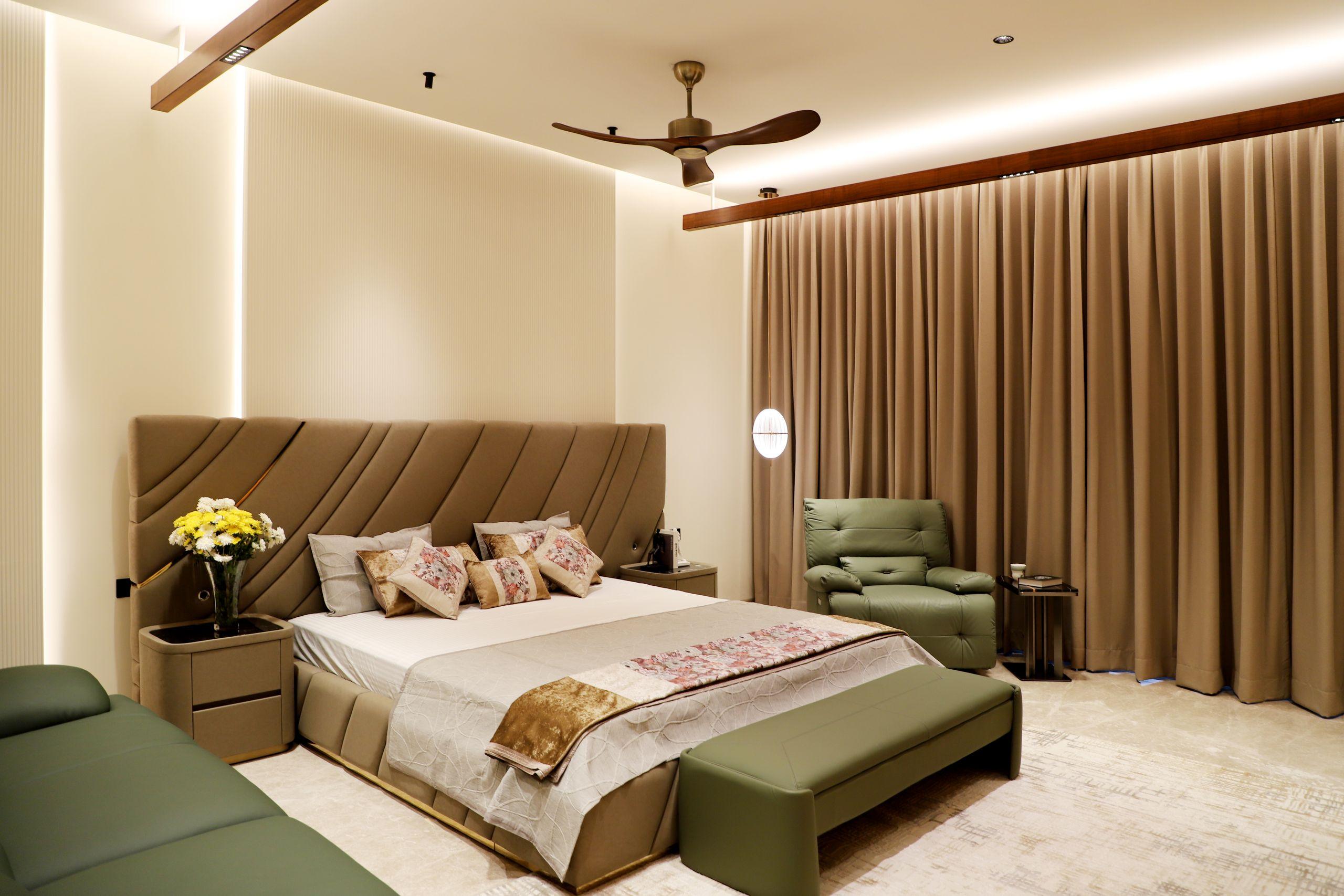
A well-kept interior signals more than aesthetics. It tells the nervous system the environment is safe. Photograph by Sharath G.
Conditions that luxury programs treat well
Most luxury residential programs operate as integrated dual-diagnosis programs because the clinical presentations that drive residential admission rarely arrive alone. Substance use is almost always entangled with trauma, depression, or anxiety. Eating disorders frequently co-occur with substance use. Bipolar disorder and personality disorders complicate nearly every other presentation.
The conditions across the programs we list:
- Alcohol use disorder
- Opioid use disorder
- Stimulant use disorder
- Behavioral addictions
- Dual diagnosis (co-occurring substance use and mental health)
- Trauma and PTSD
- Complex trauma
- Depression
- Anxiety
- Bipolar disorder
- Eating disorders
- Personality disorders
- Executive burnout
The right program for a given person is the one whose clinical specialty mix matches the specific presentation. A program with deep trauma expertise is a different program from one built around eating disorder recovery. Choosing by location or amenity when the clinical specialty is wrong for the case is the most common preventable failure in luxury admissions.
Where programs are located in the United States
The luxury residential field in the United States clusters geographically. The main clusters are coastal California (Malibu and the broader Los Angeles area, plus the San Francisco Bay Area), South and Central Florida (lake estates, oceanfront properties), the Colorado Rockies (mountain lodge programs), the Northeast (Manhattan inpatient and the Connecticut and Hamptons estate field), and Hawaii (the Maui and Big Island programs that combine clinical work with the geography as part of treatment).
Our regional pages catalog the programs we list in each:
- Malibu and coastal California
- Florida
- Hawaii
- California (all regions)
- New York
- Colorado
- Wisconsin and the Midwest
- Six-bed programs (any geography)
The geographic question has a clinical dimension too. Some people recover better at distance from the life they need to repair. Others need to stay reachable for family integration work. Trauma recovery often benefits from settings that are themselves calming (ocean, forest, mountain), while clients with work or family obligations requiring shorter stays may be better served by accessible programs closer to home.
Programs worth knowing about internationally
The luxury residential field extends well beyond the United States. Several of the most clinically distinctive programs in the world operate elsewhere. We catalog the international programs worth knowing about:
- Paracelsus Recovery, Zurich, Switzerland: single-client residential with a fifteen-person clinical team per client.
- Camino Recovery, Vélez-Málaga, Andalucía, Spain: family-run cortijo between the Tejeda mountains and the Mediterranean, specializing in trauma and equine-assisted work.
- White River Manor, Mpumalanga, South Africa: residential lodge bordering Kruger National Park, treating addiction, dual diagnosis, executive burnout, and trauma.
For U.S. residents, the practical questions about international admission are insurance (most PPO plans do reimburse out-of-country residential, but rates and documentation requirements vary), travel logistics (a client in acute crisis may not be a candidate for a transcontinental flight), and aftercare continuity (the transition home is harder when the treating clinicians are in another time zone).

The property grounds become part of the treatment environment during long unstructured stretches. Photograph by Jeffrey Eisen.
What it costs
U.S. luxury residential typically runs $30,000 to $90,000 for a thirty-day stay. Sixty- and ninety-day programs scale proportionally. The ultra-premium end extends to $500,000 per month or more, with Paracelsus Recovery in Zurich and The Kusnacht Practice defining the ceiling. The European luxury market (Marbella, the Swiss alpine programs, London) generally prices below the U.S. ultra-premium tier but above standard U.S. luxury.
Spend does not correlate with clinical outcome. The most expensive program is rarely the one that produces the best result for a given person. The right program is the one whose specialty mix and intake size match the presentation. That is the frame worth holding when you compare options.
How insurance fits in
Most major U.S. PPO plans (Aetna, Anthem, Blue Cross Blue Shield, Cigna, UnitedHealthcare) provide partial out-of-network coverage for medically necessary residential treatment, including at luxury programs that do not directly contract with the insurer. The amount covered depends on the plan’s out-of-network reimbursement rate, the deductible, and whether the program will accept assignment of benefits or requires payment up front with reimbursement to the family.
HMO plans generally do not cover out-of-network luxury programs. For HMO members, the realistic options are in-network programs (which rarely include the luxury tier), out-of-pocket payment, or HMO-to-PPO plan changes if the family’s employer offers both.
How to choose the right program
The decision process worth following:
First, identify the clinical presentation accurately. This is harder than it sounds. Substance use rarely arrives alone; the drinking is downstream of trauma, the relapsing is downstream of untreated bipolar, the eating disorder is entangled with anxiety. A program that treats the surface presentation and misses the driver produces a thirty-day stay that does not hold.
Second, identify the level of care the presentation requires. Residential is one tier of a longer continuum that includes outpatient, intensive outpatient (IOP), partial hospitalization (PHP), residential, and inpatient psychiatric. Residential is appropriate when outpatient intensity has been insufficient, when the home environment is structurally unsafe for recovery, or when the clinical presentation requires the protected scaffolding of twenty-four-hour care. It is not appropriate as a first-line intervention for every case.
Third, identify the small set of programs whose specialty mix matches the presentation. A trauma-rooted alcohol use case is well-served by a program with deep EMDR and somatic experience. That same person sent to a program built around twelve-step abstinence will not receive the same care.
Fourth, vet the programs concretely. Read the methodology page of any directory you are using. Look at the actual property in recent photography. Ask the admissions team the questions in our companion guide and pay attention to how concretely they answer.
When luxury residential is the right level of care
Luxury residential is a strong fit when several conditions align: a presentation that requires residential intensity (severe substance use, complex trauma, dual diagnosis, eating disorder, or stabilized suicidal ideation), a clinical situation where privacy and a small group genuinely matter (a public figure, an executive whose recovery would otherwise be difficult to manage discreetly, a person whose history would be hard to share in larger group settings), and a family financial situation where the cost does not create its own crisis.
For some presentations, particularly complex psychiatric cases that have not responded to standard residential intensities, the staff density of a six-bed program is not a comfort. It is the clinical reason the work can happen at all.
When a different level of care serves better
Luxury residential is the wrong level of care when the presentation calls for psychiatric hospitalization first (acute suicidal crisis, active psychosis, medical instability), when standard residential or intensive outpatient would be clinically sufficient, or when the financial cost would leave the family in a harder position after treatment than before.
A pattern worth naming: families sometimes enter luxury residential expecting the high cost to guarantee the outcome. When it does not, and no residential program guarantees outcomes, the financial pressure meets the grief of unresolved recovery. The right luxury program for a given clinical presentation may not be the most expensive one. It frequently is not.
Common questions
Answers to the questions families ask most often when they are researching this category.
What is luxury rehabilitation and recovery?
How is luxury rehabilitation and recovery different from regular rehab?
How much does luxury rehabilitation and recovery cost?
Does insurance cover luxury rehabilitation and recovery?
What conditions are treated at luxury rehabilitation and recovery centers?
How do I choose a luxury rehabilitation and recovery center?
How long is a typical luxury rehabilitation and recovery stay?
Is luxury rehabilitation and recovery worth it?
Where to go from here
If someone you love is in active crisis right now, the first step is stabilization, not a residential admission decision. Call your local crisis line first.
If you are researching in calmer conditions and the question is which program to consider, the directory is here to help. Start with the Find a center tool, or browse the full directory. The companion guide, Considering treatment, covers the decision side in more depth.
We are for the conversation that is harder to start than to have.
This editorial reflects the considered view of the LuxuryRecovery editorial team. It is not medical advice. Decisions about residential treatment should be made in consultation with a licensed clinician familiar with the client’s history. Cost and insurance figures cited are typical industry bands and are not quotes; specific quotes vary by program, length of stay, and individual case.
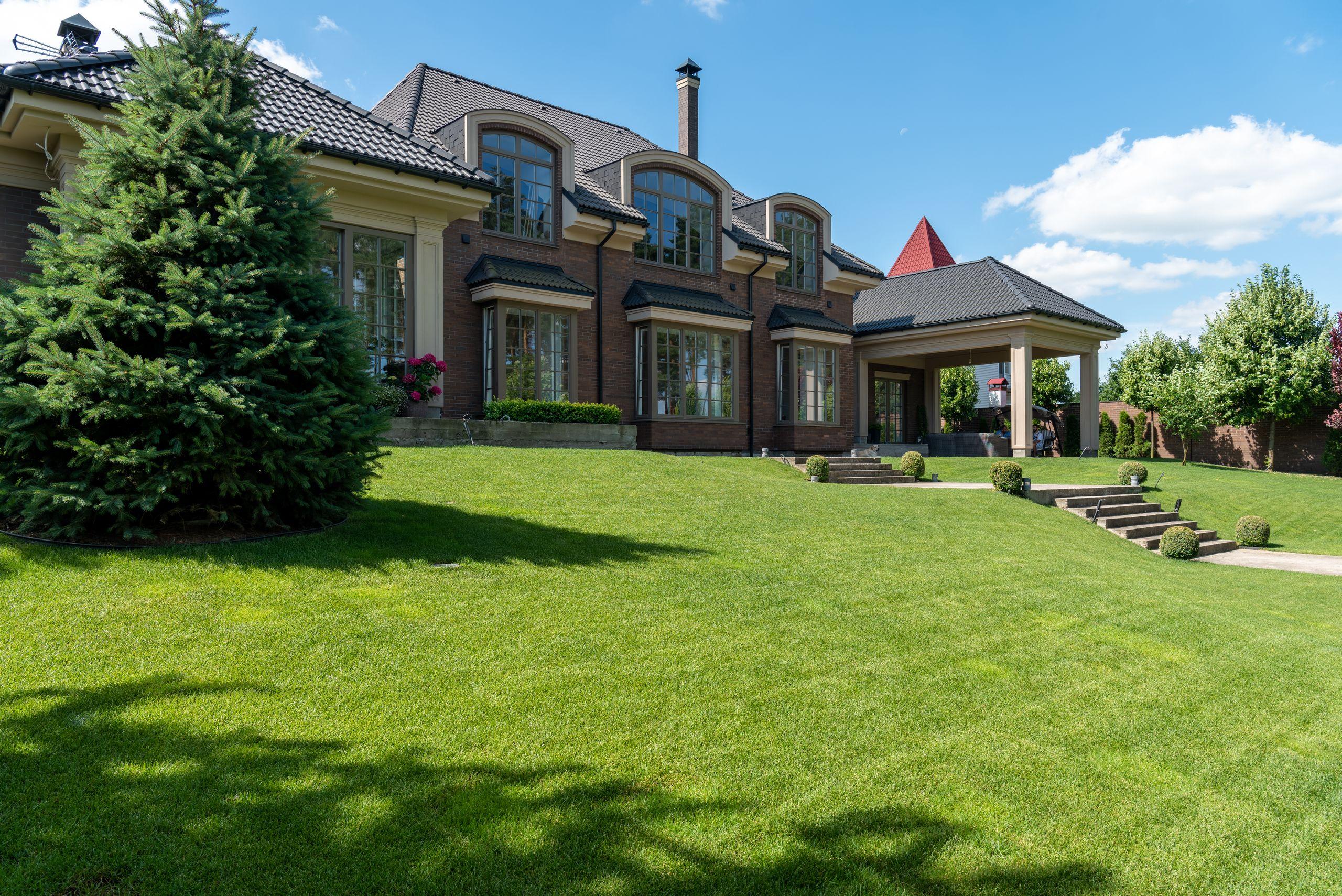
The right property supports recovery as a place the body can trust. Photograph by Max Vakhtbovych.