Tikvah Lake Recovery
Editorial · The ranking
Best luxury drug rehab centers curated, 2026.
By the LuxuryRecovery Editorial Team11 programs · 7 min read
Summary
A luxury drug rehab center pairs the clinical standard of residential addiction treatment with very small intake, senior clinical teams, and a private setting. Those three differences are central to why the treatment takes hold: near-individual attention, senior judgment for the conditions that travel with addiction, and a setting calm enough for honest work. This directory vets 11 such programs worldwide, from Paracelsus Recovery’s single-client program in Zurich, Switzerland to six-guest lakefront residences in Florida, ranked by intake size, clinical density, and verifiable accreditation.
In drug rehab, luxury does not change the clinical care. Done properly, that care meets the same standard everywhere: medically supervised detox, evidence-based therapy, and a clear position on medication-assisted treatment for opioid and alcohol use disorders. What a genuine luxury program changes is the structure around that care, and the structure is where recovery is often won or held.
Start with how few people are treated at once. In a house of six, the staff know your name and your rhythms by the end of the first week. They notice the morning you go quiet, the appetite that drops, the craving you would not have thought to mention. Recovery often turns on catching those small signals early, and a clinician holding a handful of guests can catch them in a way that grows harder as a program grows larger.
Then there is who delivers the care. Addiction rarely arrives alone. It usually comes braided with something else: the trauma a person has been outrunning, a depression underneath the drinking, the anxiety the substance was quieting.3 Treating the whole picture safely calls for senior clinical judgment, the kind that comes from having sat with it many times before. A program built around experienced psychiatrists and therapists is built to treat what lies beneath the addiction along with the part easiest to name.
The setting does its own quiet work. Withdrawal and trauma both settle faster when the body feels safe, and a calm, private residence lowers the daily static that keeps a nervous system on alert. Privacy earns its place for a plainer reason too: it is easier to be honest, and to do the hard work honesty asks for, when you are not also managing who might see you. For someone whose life does not pause easily, a place that lets them step fully away is what makes real attention possible.
The months after discharge are when recovery is truly tested.2 The time, attention, and steadiness a small senior program builds are what carry a person into them,1 (cut: end the sentence at "carry a person into them.")
This page covers substance use specifically; for behavioral addictions and dual diagnosis, our full addiction category covers the wider clinical picture. The directory below is filtered to the programs that treat substance use as a primary admission, then ordered by the three criteria that separate them. Start with the comparison, then read the programs in full.
At a glance
The 11 centers, compared.
| Center | Location | Setting | Insurance | Rating |
|---|---|---|---|---|
| Paracelsus Recovery | Zurich, Switzerland | Lakefront | Private-pay | 4.6 (50) |
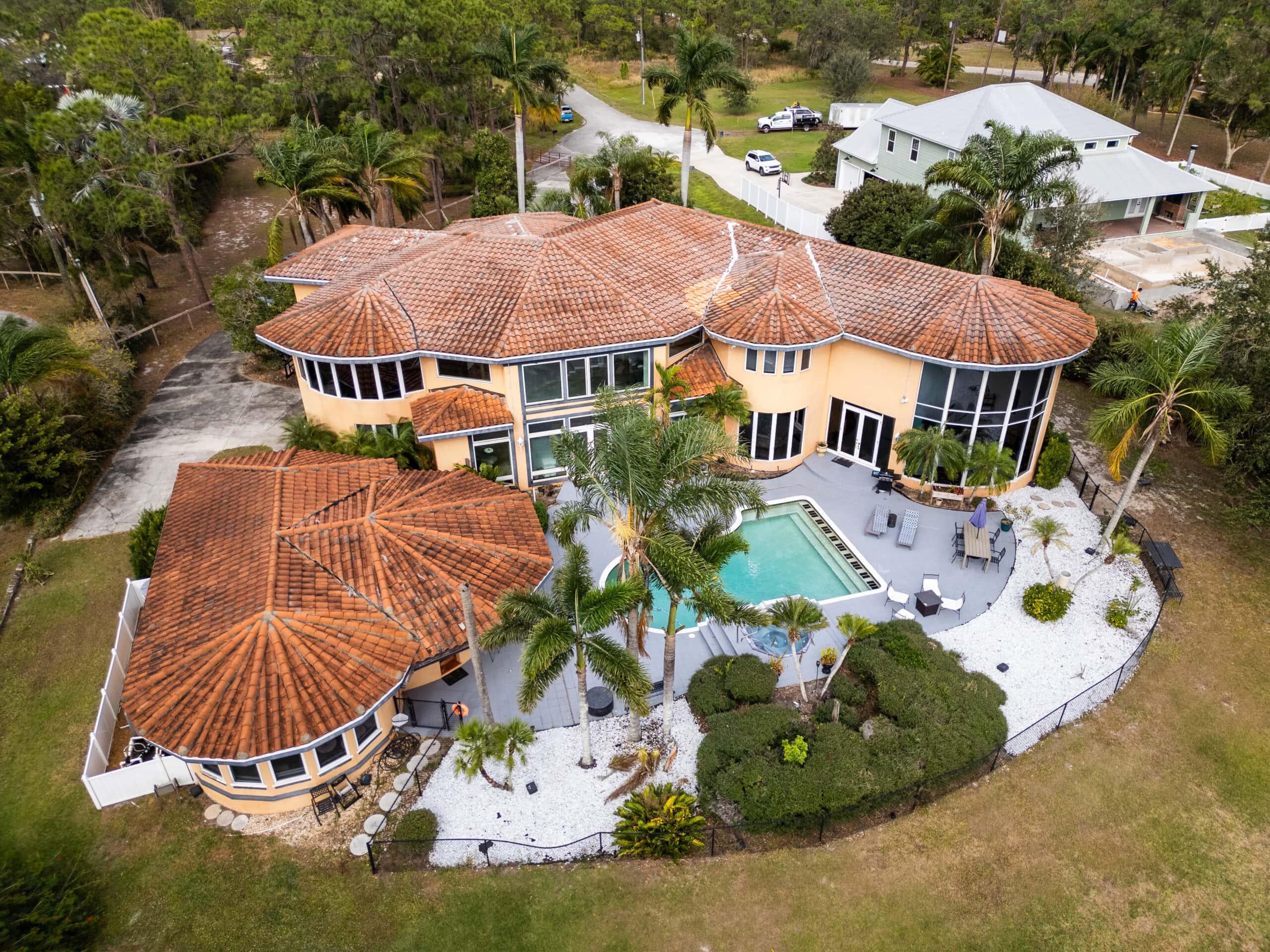
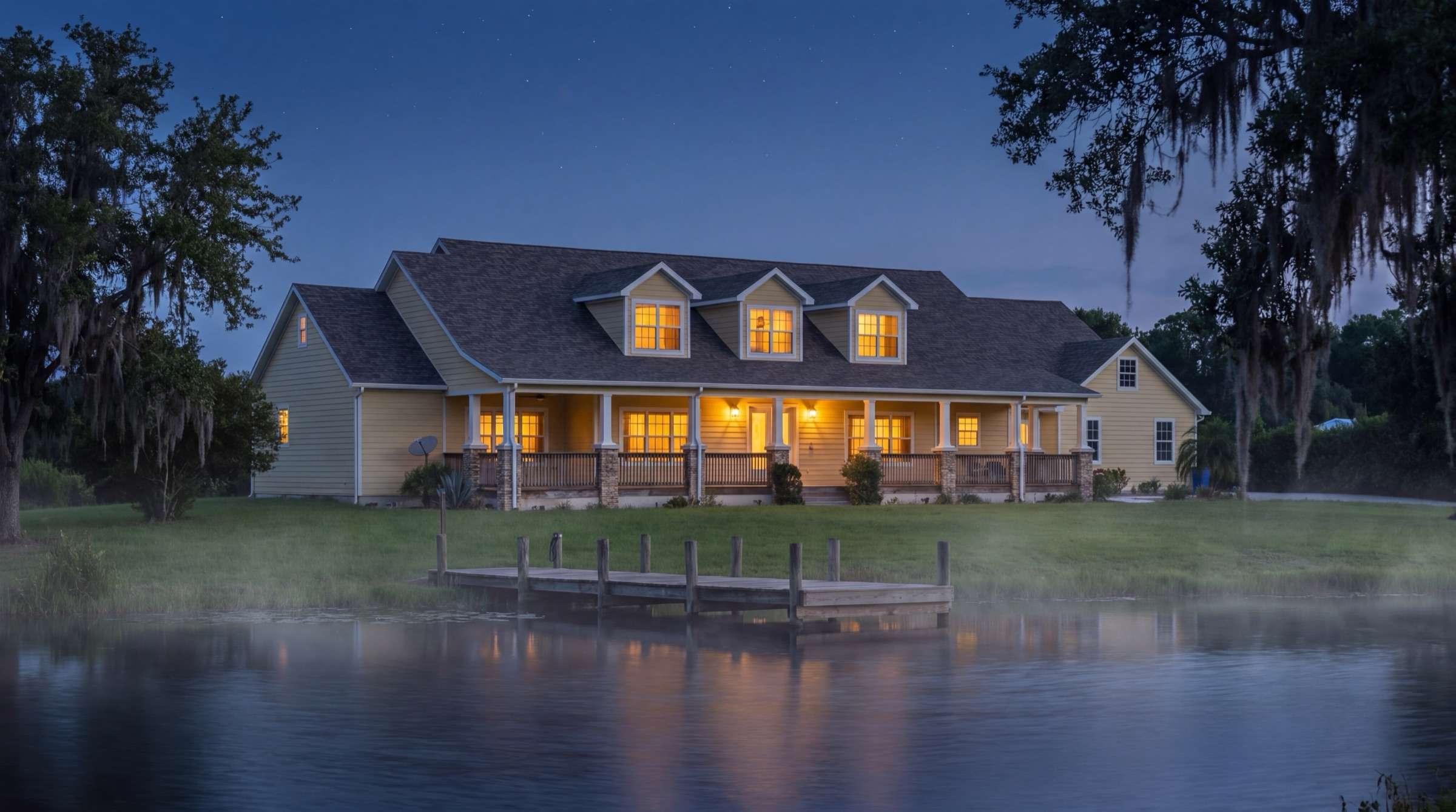
| Tikvah Lake Recovery | Sebring, FL | Lakefront | Out-of-network | 4.5 (84) |
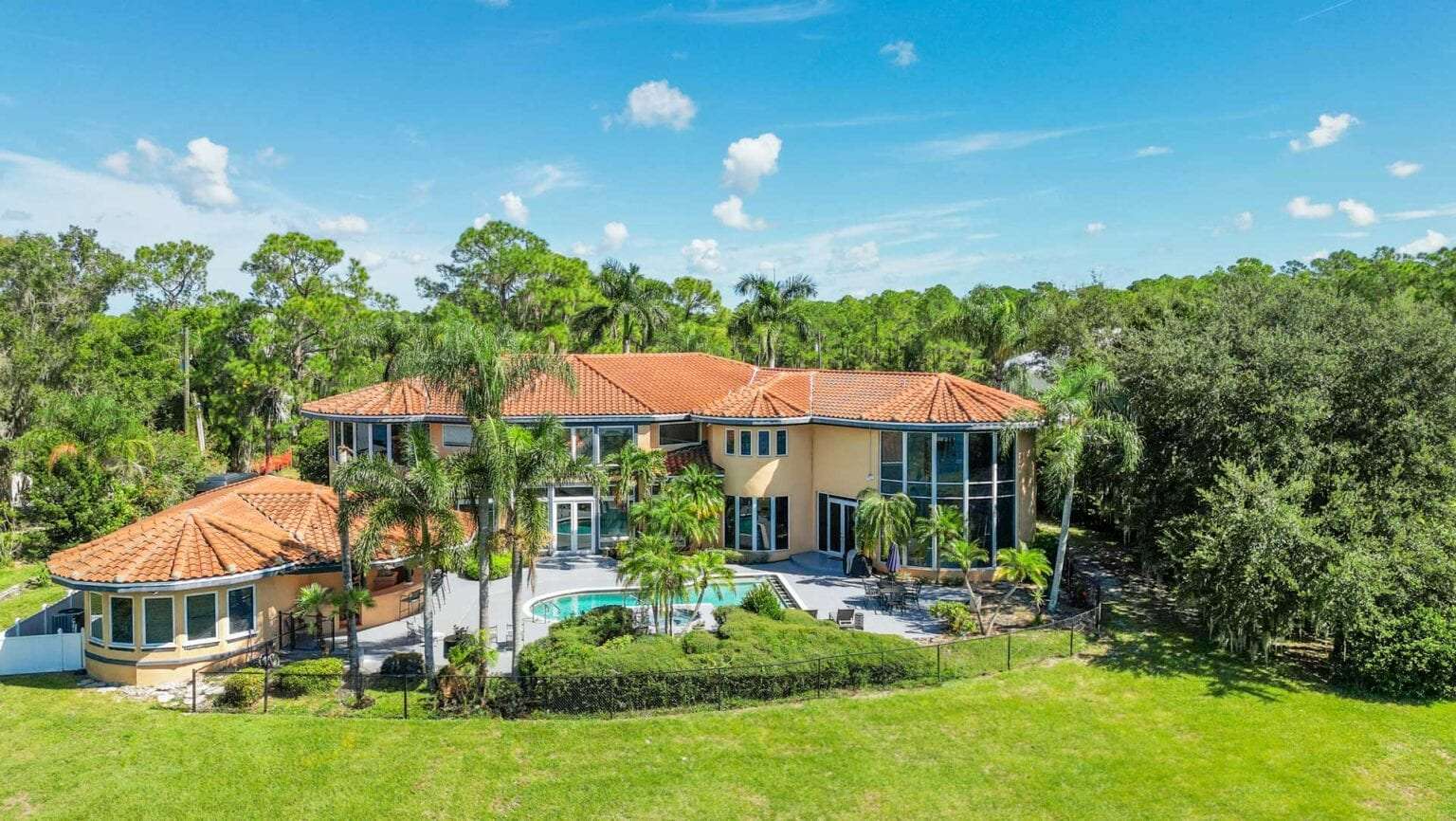
| Park Manor Recovery | Avon Park, FL | Lakefront | Out-of-network | 4.3 (10) |
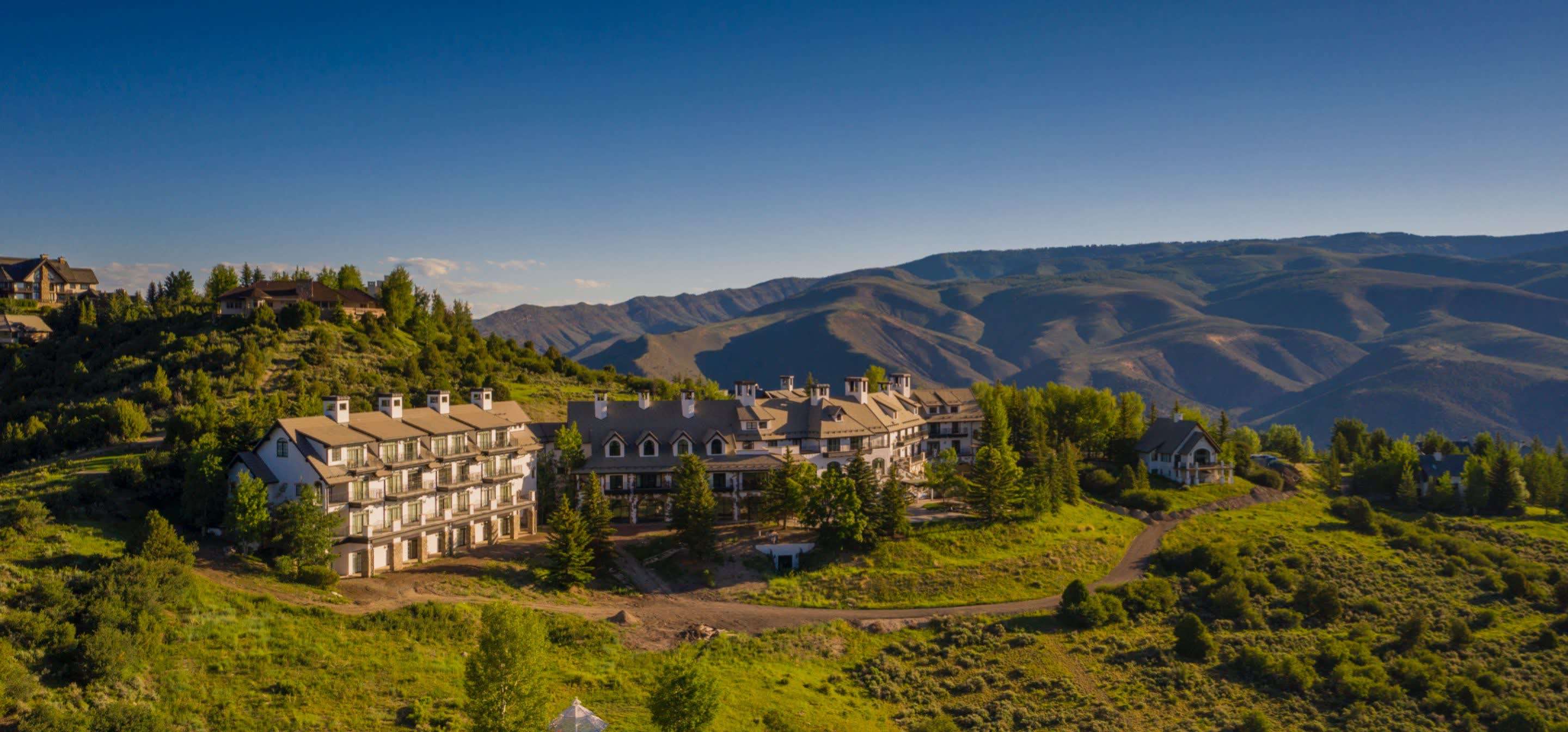
| All Points North | Edwards, CO | Mountain | Out-of-network | 4.8 (120) |
| Alta Mira Recovery | Sausalito, CA | Oceanfront | Out-of-network | 4.2 (30) |
| The Manor | Slinger, Midwest | Mountain | Out-of-network | 4.2 (10) |
| White River Manor | White River, South Africa | Mountain | Private-pay | 4.7 (62) |
| Camino Recovery | Vélez-Málaga, Spain | Oceanfront | Private-pay | 4.4 (31) |
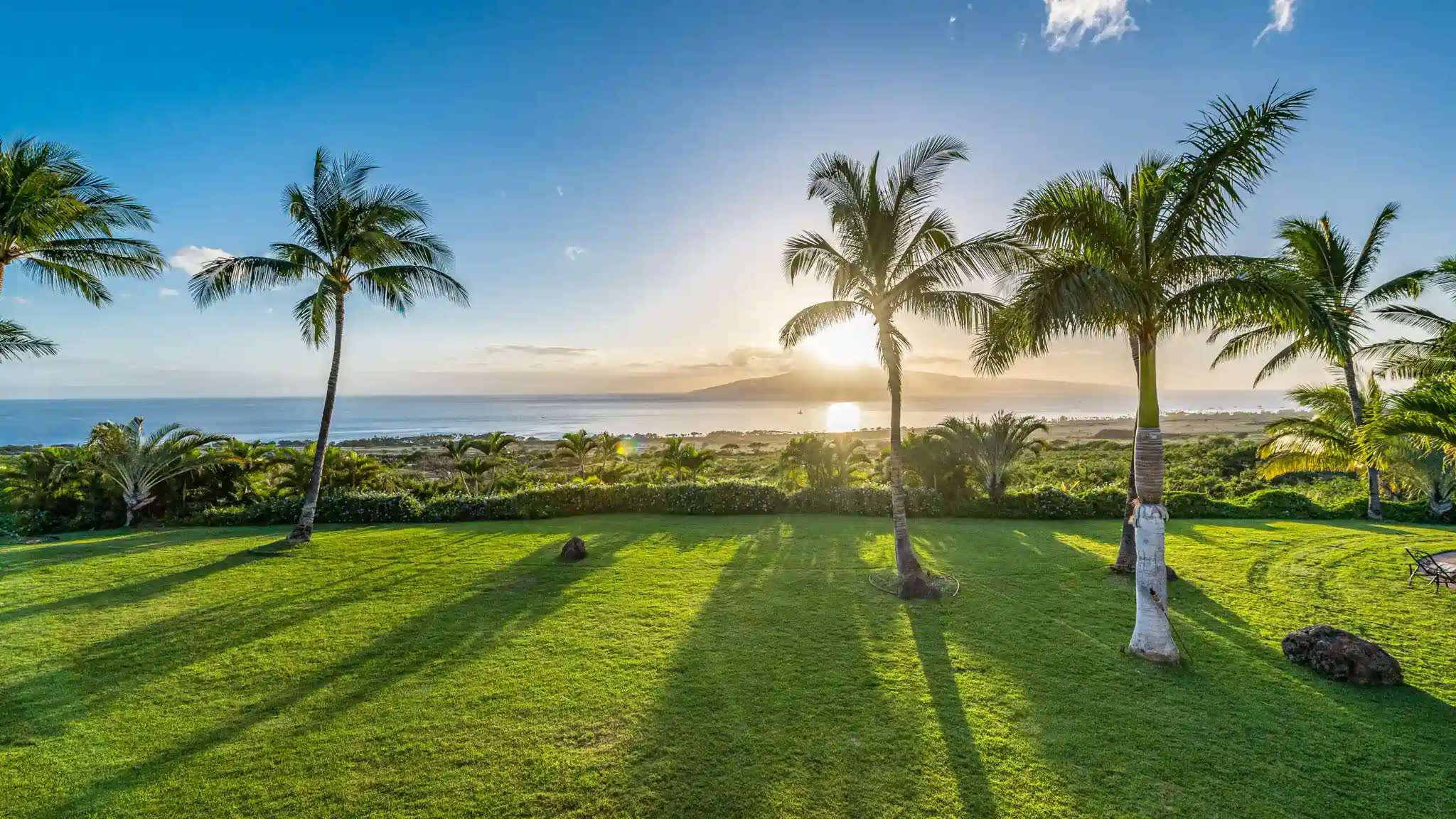
| Maui Recovery | Lahaina, HI | Oceanfront | Out-of-network | 4.5 (68) |
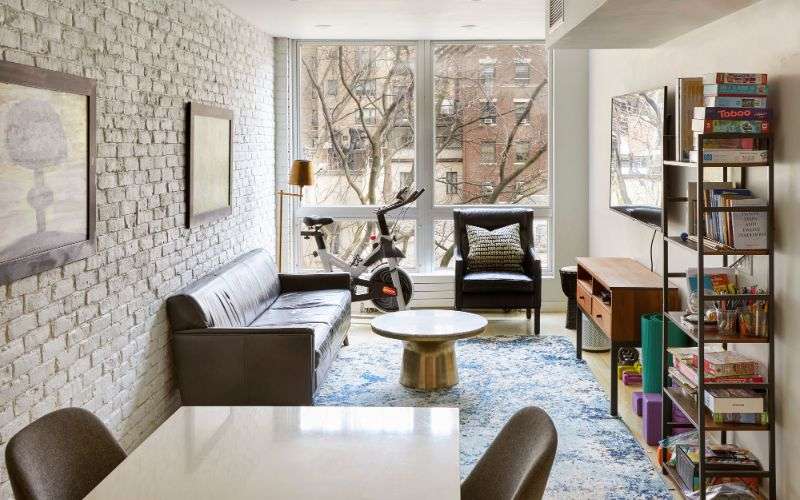
| Ascendant New York | New York, NY | Urban | Out-of-network | 4.7 (297) |
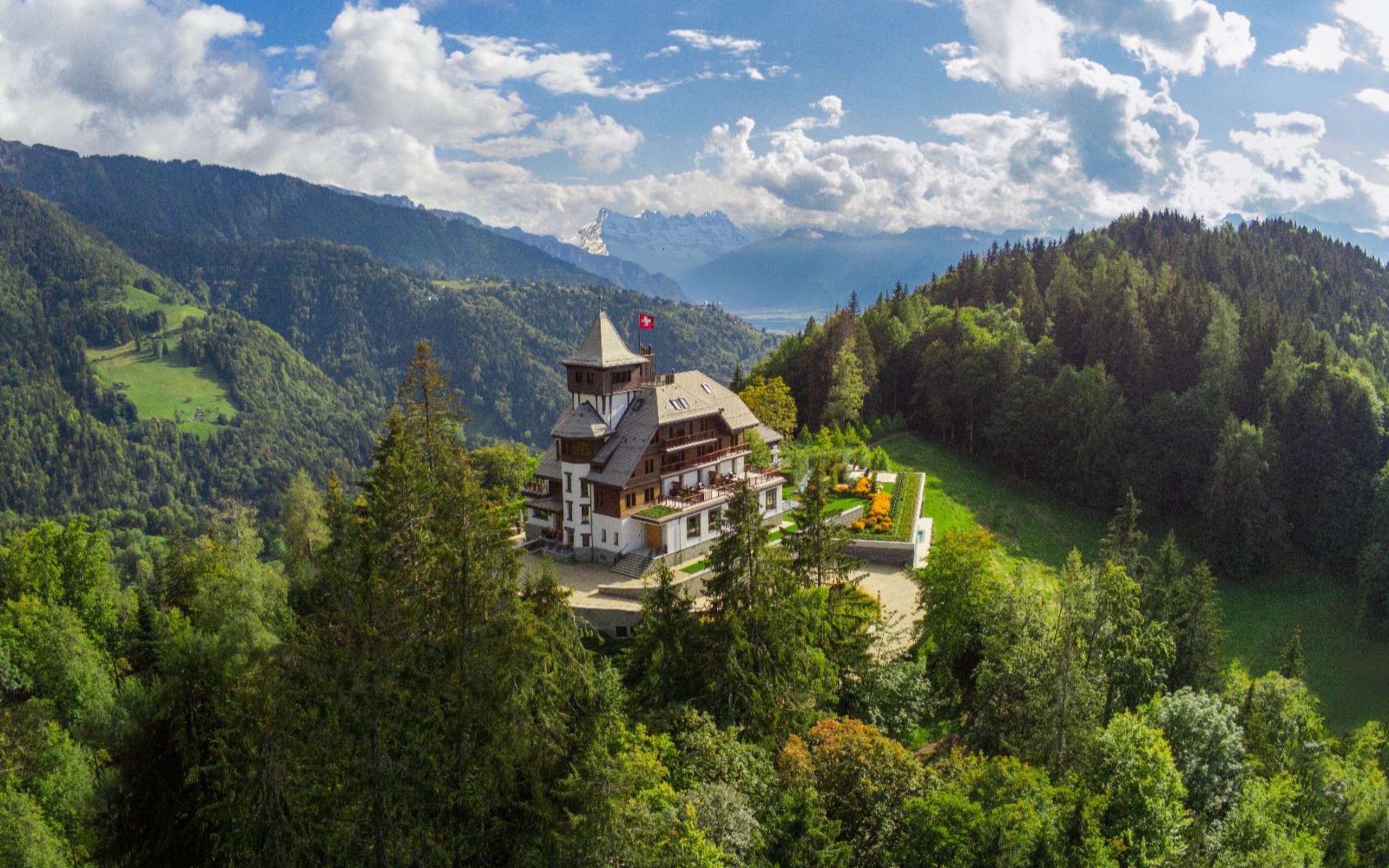
| Clinic Les Alpes | Montreux, Switzerland | Lakefront | Private-pay | N/A |
Setting is each program’s primary environment. Insurance marks whether a program works with out-of-network benefits or is private-pay only; luxury residential is largely private-pay, and even out-of-network programs typically reimburse a portion of charges rather than the whole. Ratings are the program’s public Google rating and review count. Intake size and accreditation are detailed on each center’s profile. This table does not carry prices; the four programs that have confirmed a starting rate are listed in the cost question below, and every sourced figure sits in the cost guide.
How we rank
Intake size
How few people the program treats at once, in the residence where the guest would actually stay. Small intake is the structural difference between luxury drug rehab and high-volume treatment. It is what makes near-individual clinical attention possible.
Clinical density
Daily psychiatric and physician contact, senior licensed therapists rather than rotating junior staff, and a clear, evidence-based position on detox and medication-assisted treatment for opioid and alcohol use disorders.
Verifiable accreditation
Accreditation and licensing that can be checked in a public registry (The Joint Commission's Quality Check, LegitScript, NAATP), not asserted in marketing alone. We list it where a program holds it.
The programs
Every program, ranked and described.
Each center below treats addiction as a primary admission. Open a profile for the clinical detail, setting, and accreditation.

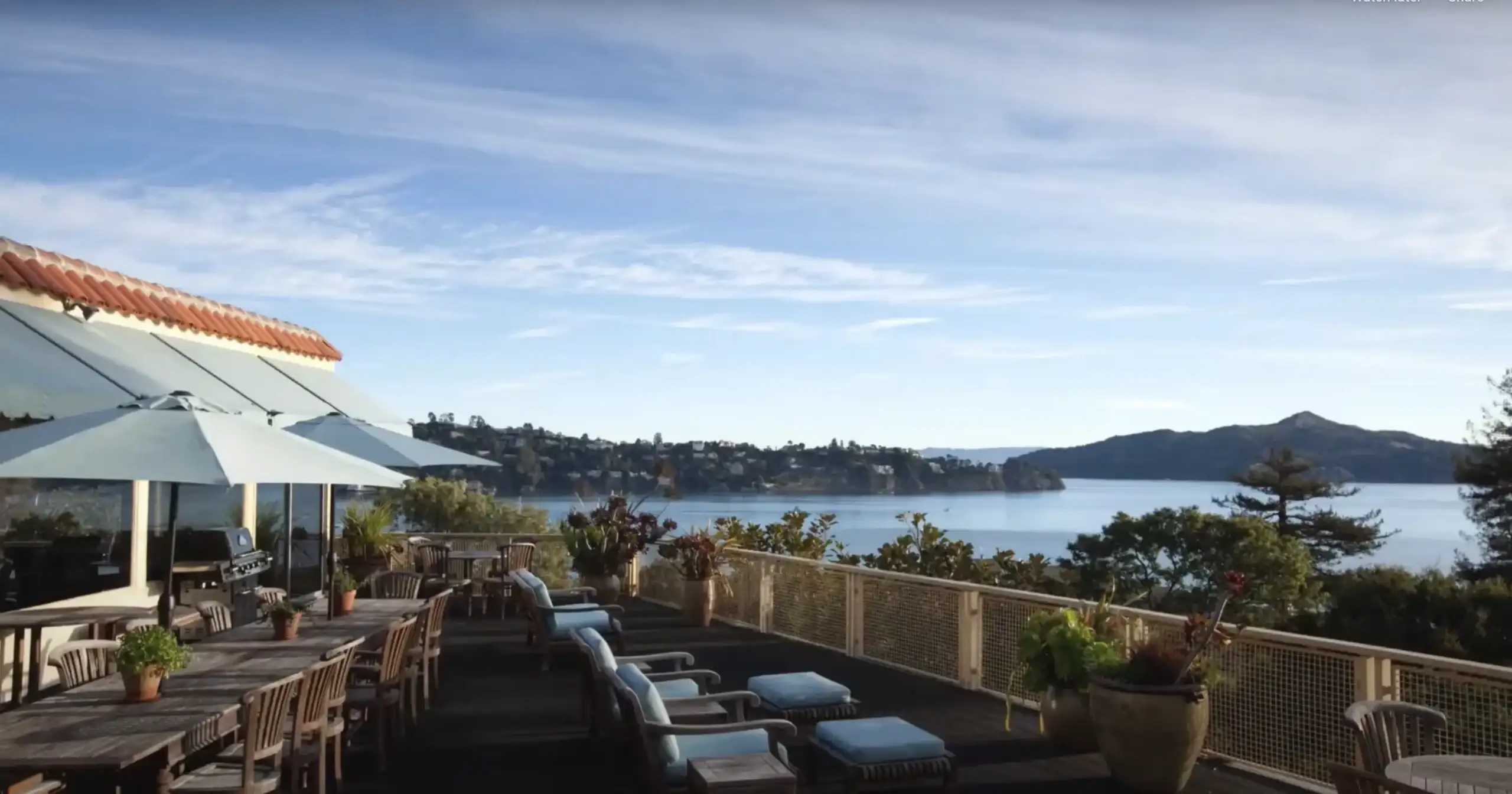
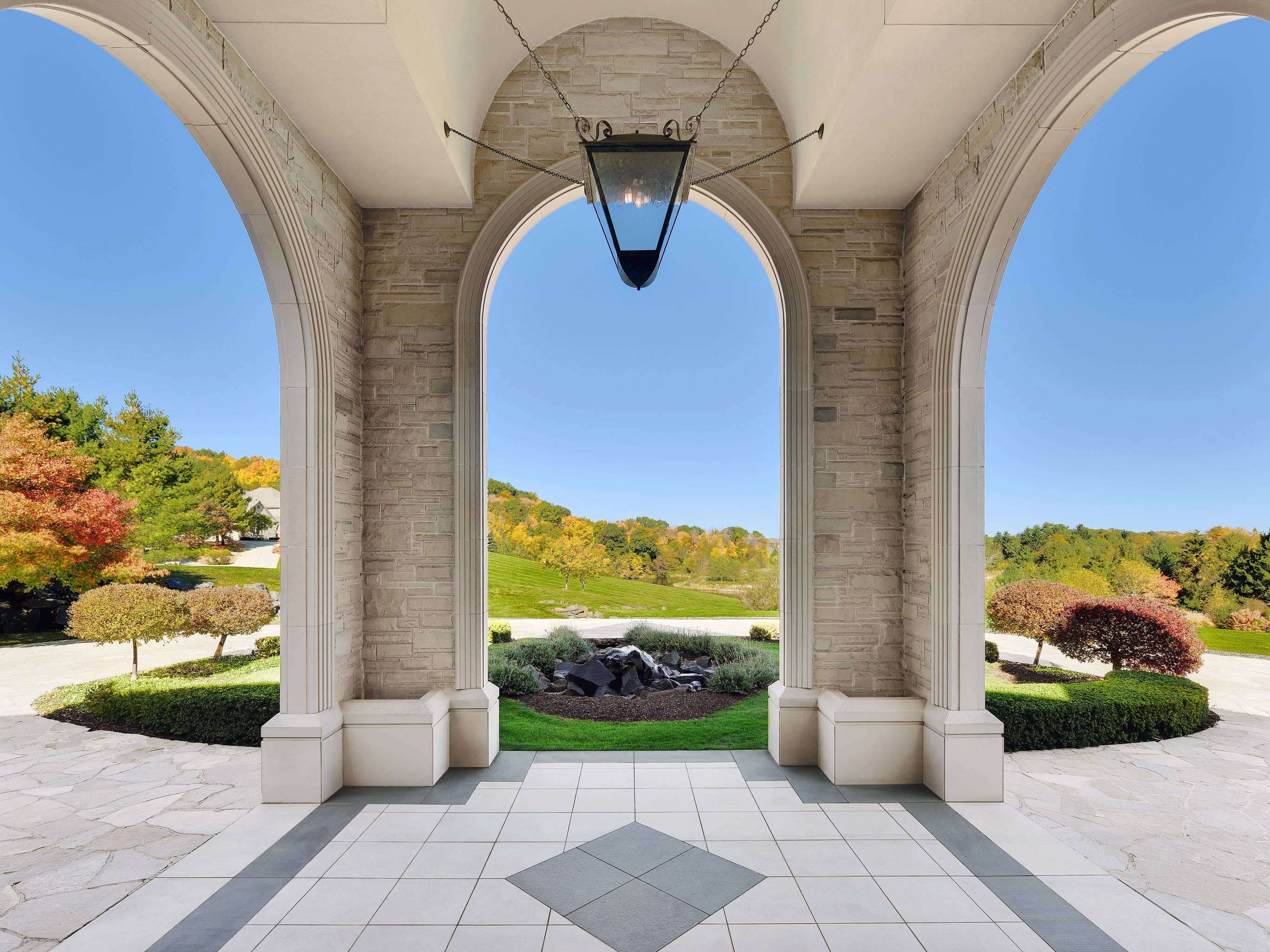
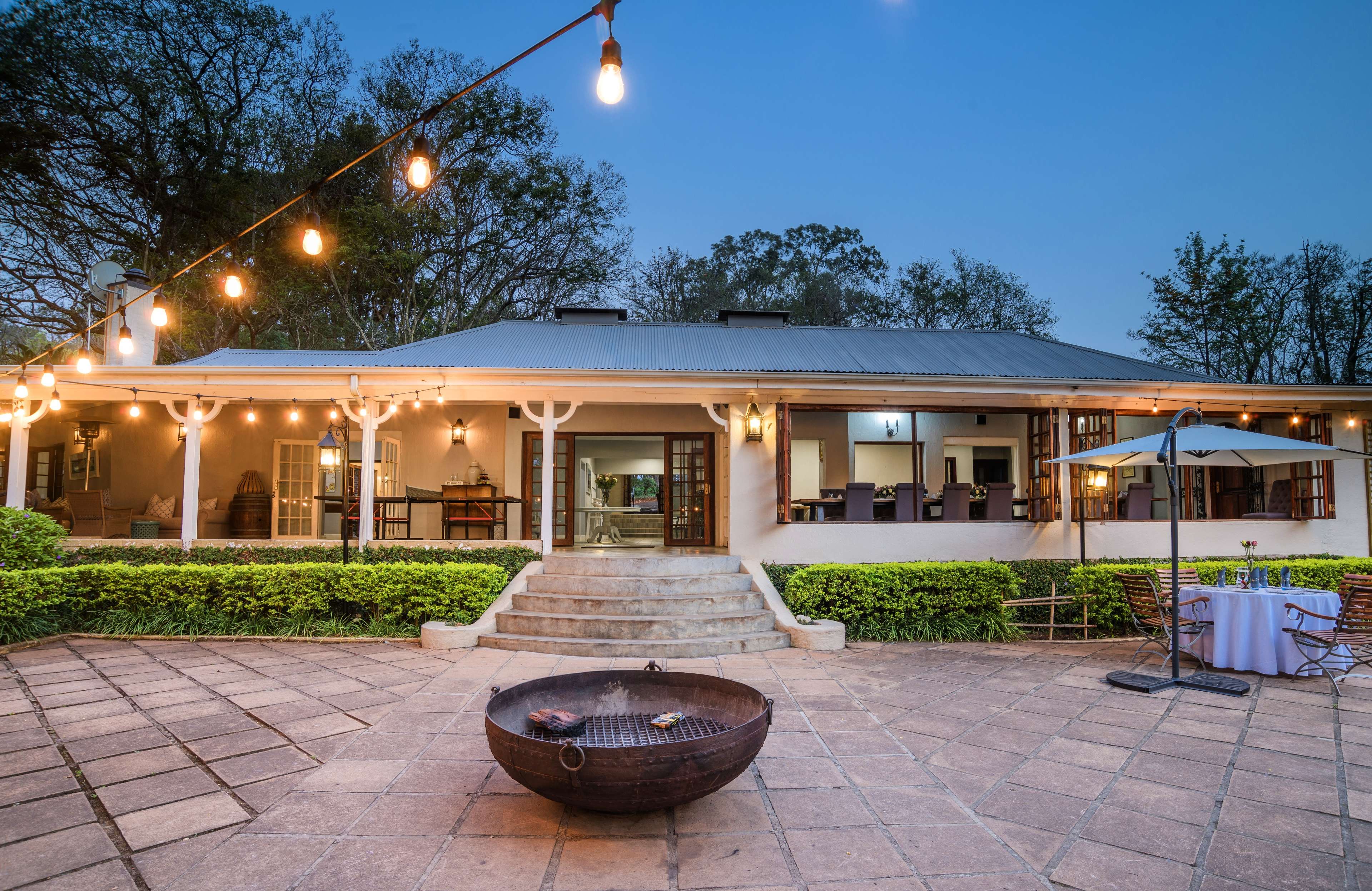
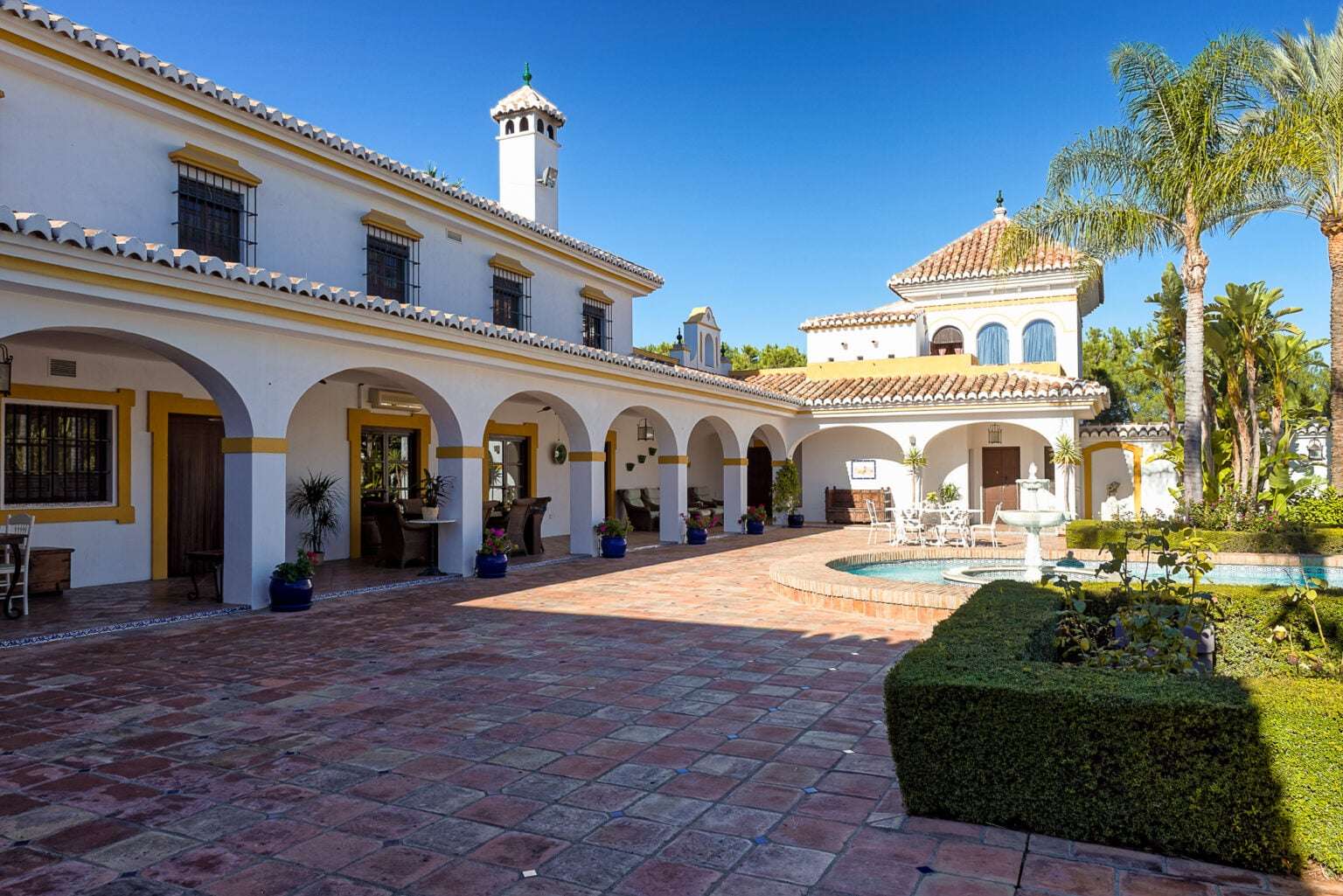
What luxury drug rehab costs
Four of the programs here have confirmed a starting rate for a 30-day stay: Park Manor Recovery from $55,000, Maui Recovery from $60,000, Tikvah Lake Recovery from $70,000, and Amend Malibu from $90,000 (2026). Cost is driven mainly by intake size and the depth of the clinical team, so the single-client and six-bed programs sit at the upper end. Some programs work closely with insurance, and coverage can be substantial: with PPO out-of-network benefits, a standard 30-day stay is often covered in large part, sometimes in full, frequently without paying upfront.
For the programs that have not confirmed a figure, the right number comes from the program directly, against a specific clinical picture and length of stay. Our guide to what luxury rehab costs sources every published rate on the site.
One reason length drives the figure: national treatment guidance finds programs shorter than 90 days deliver limited lasting benefit, and relapse for substance use disorders runs 40–60% , comparable to other chronic illnesses. Private-pay programs are structured around the clinical time the evidence supports rather than an insurance authorisation window.
Common questions
What families ask most.
What is a luxury drug rehab center?
How much does luxury drug rehab cost?
What is the difference between luxury and standard drug rehab?
Does insurance cover luxury drug rehab?
How do you choose the best luxury drug rehab center?
By substance & level of care
Luxury alcohol rehab
Residential treatment for alcohol use disorder
Luxury opioid & heroin rehab
MAT, detox, residential, aftercare
Luxury cocaine & stimulant rehab
Residential treatment for stimulant use
Dual diagnosis
When addiction co-occurs with mental health
Luxury detox
Medically supervised withdrawal, the first step
Rehab for executives
Confidential, work-continuous programs
Luxury rehab near me
Find residential programs by US state
Our methodology
How every program is evaluated
The best luxury drug rehab for a given person is not always the one at the top of this list. A program’s position reflects intake size, clinical density, and editorial judgement, not the specific match between its strengths and the situation a family is bringing in.
If you are weighing two or three of these programs against a specific clinical picture, , or filter the full directory by condition, setting, and region. We will not bill you for the conversation.