Straight to a program
The catalogued programs in Hawaii, with the way to reach each one. The comparison and the wider field sit below.
- Maui Recovery
Lahaina, Hawaii
The editorial view
Best luxury rehabs in Hawaii.
The short answer
Rehab in Hawaii runs through two kinds of residential program. The private, luxury tier is small and split between two islands: Maui Recovery is the only private residential substance use program on Maui, eight guests and the distance the island puts between a guest and home, and The Exclusive at Hakalau and The Ohana above Kailua-Kona hold the Big Island, each with a state Special Treatment Facility license and state ADAD accreditation. Where a price is published or confirmed, a 30-day stay runs about $49,000 to $69,000, paid privately or through PPO out-of-network benefits. Care through in-network insurance or Med-QUEST is a different kind of program, listed below the ranking, and Hawaii CARES, 1-800-753-6879, places people regardless of ability to pay.
Addiction treatment in Hawaii is constrained by a limited clinical labor pool, expensive land, and regulations that discourage large private estates, all of which keep the number of private luxury-tier programs low. Most of them sit on one island: the Big Island, where The Exclusive at Hakalau on the Hamakua coast and The Ohana above Kailua-Kona run private residential programs. Each carries both credentials the state issues, a Special Treatment Facility license and ADAD accreditation, and neither takes a state contract.
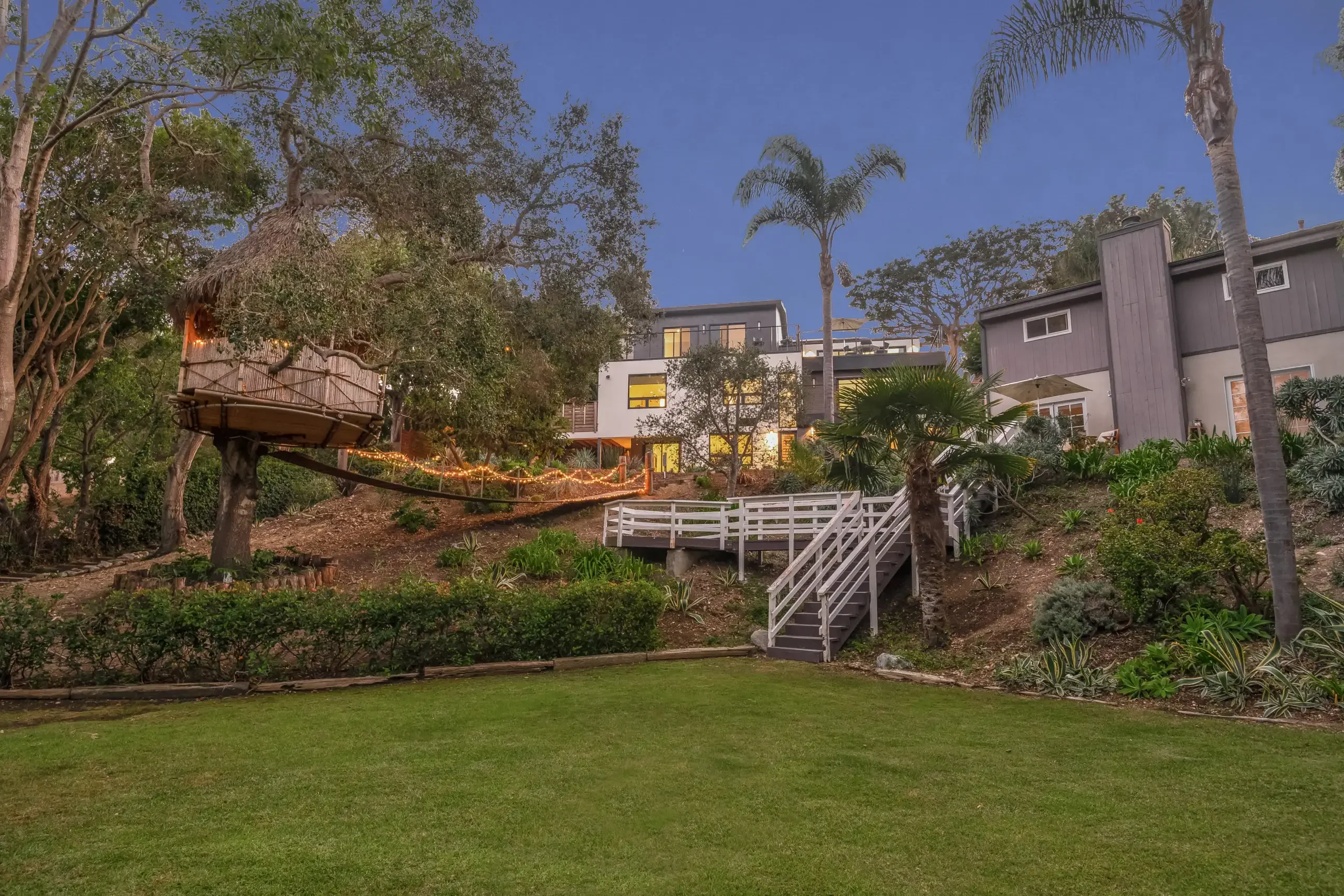
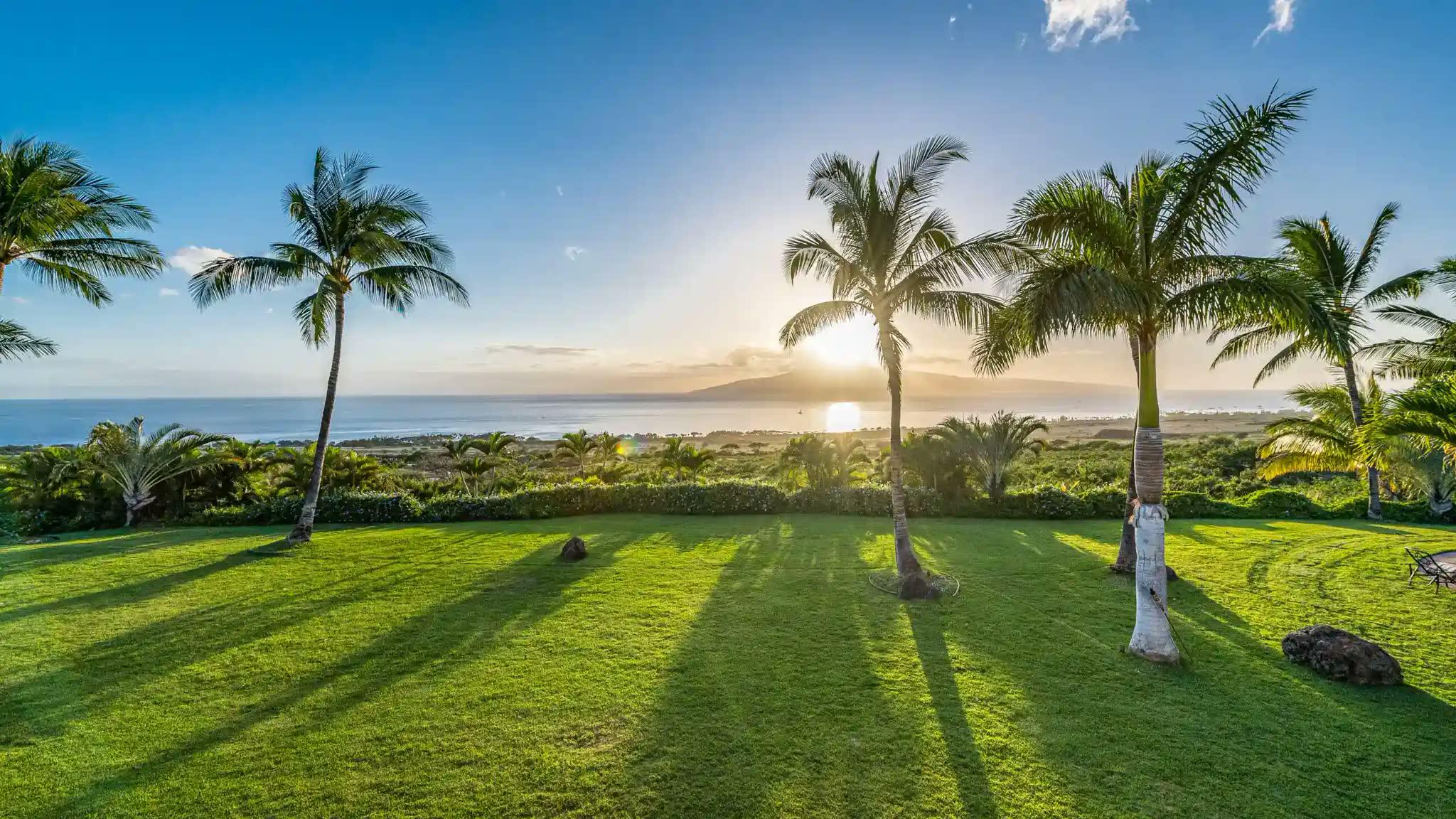
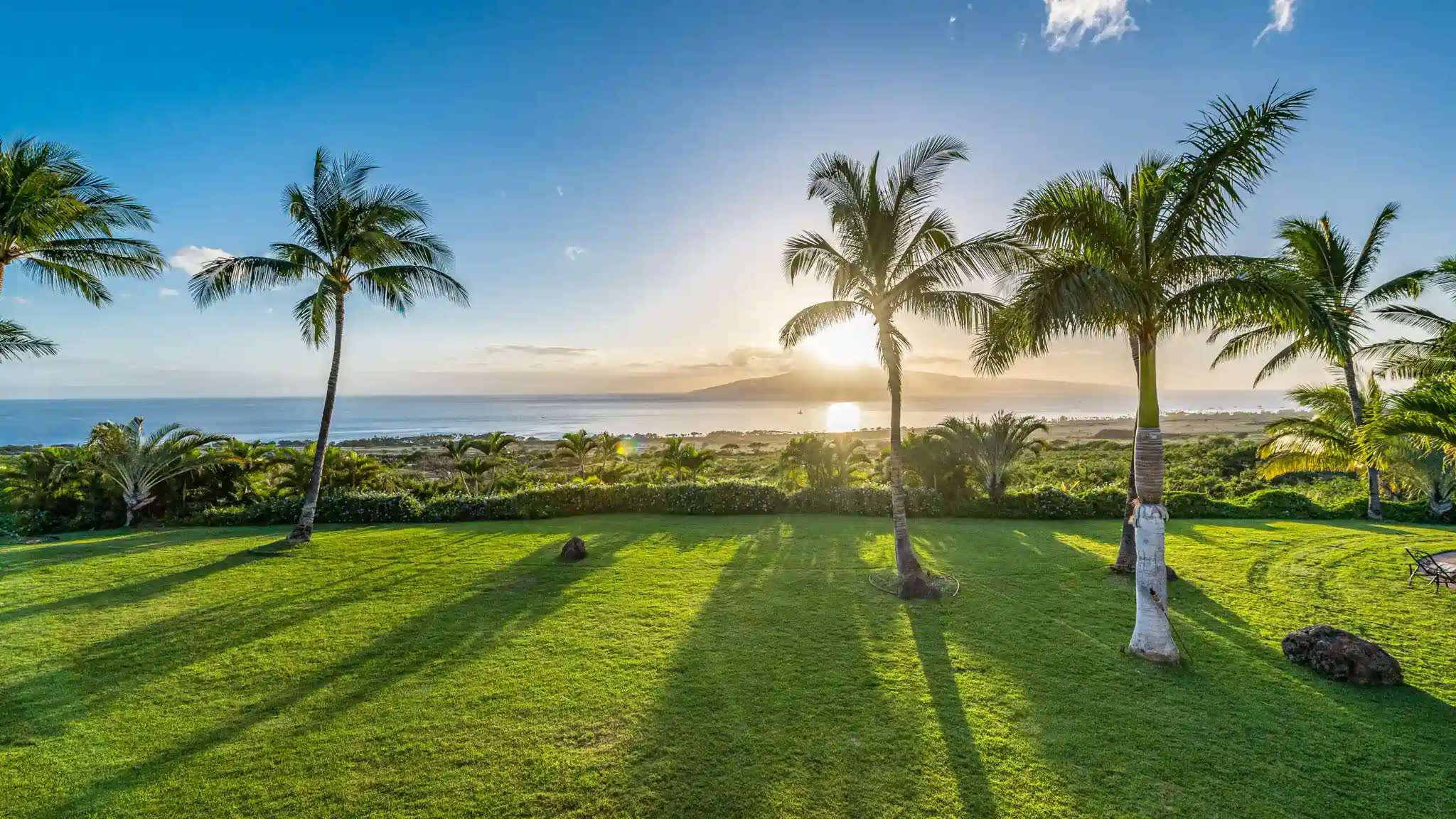
Maui Recovery is the exception, and the reason this ranking leads with it. It is the only private-pay residential substance use program on Maui: eight guests across three private homes on twenty acres above Lahaina, a mile and a half from the water. What sets it apart is how far the program leans into the island. Evidence-based therapy runs alongside surf therapy, guided hikes, and spiritual consulting with a Hawaiian kahuna, and much of the staff came through addiction themselves. For a guest who wants Maui specifically and can pay privately, there is no alternative; for anyone weighing Hawaii, the cultural depth and the distance from the mainland are the case.
Care through in-network insurance or Med-QUEST is a different kind of program: larger, nonprofit or in-network, and paid by insurers rather than privately. Those programs are listed after the ranking, under notable mentions, for families who need that route.
What follows is the program we catalogue and vet in depth, then the wider field, so you can weigh the islands against each other honestly.
How we rank
Intake size
Twelve guests or fewer, and ideally far fewer. On islands with scarce land and expensive labor, a small cohort is both harder to run and more telling. Maui Recovery holds eight.
Use of place and culture
Hawaii's environment and culture are clinical assets: distance from the mainland, sensory regulation, and, at their best, real Hawaiian practice built into treatment.
Continuity of care
Most Hawaii guests fly from the mainland. Programs that arrange aftercare with home-city providers before discharge carry more weight than those that hand over a folder.
Our editorial reviews
In Hawaii
The directory in Hawaii.
Catalogued in depth
The wider field · 6
Programs we don't catalogue as full profiles, listed so this page reflects the full field — with each program's Google rating transcribed from its live profile where one exists.
Hakalau, Hawaiʻi (Big Island)
The Exclusive Addiction Treatment Center
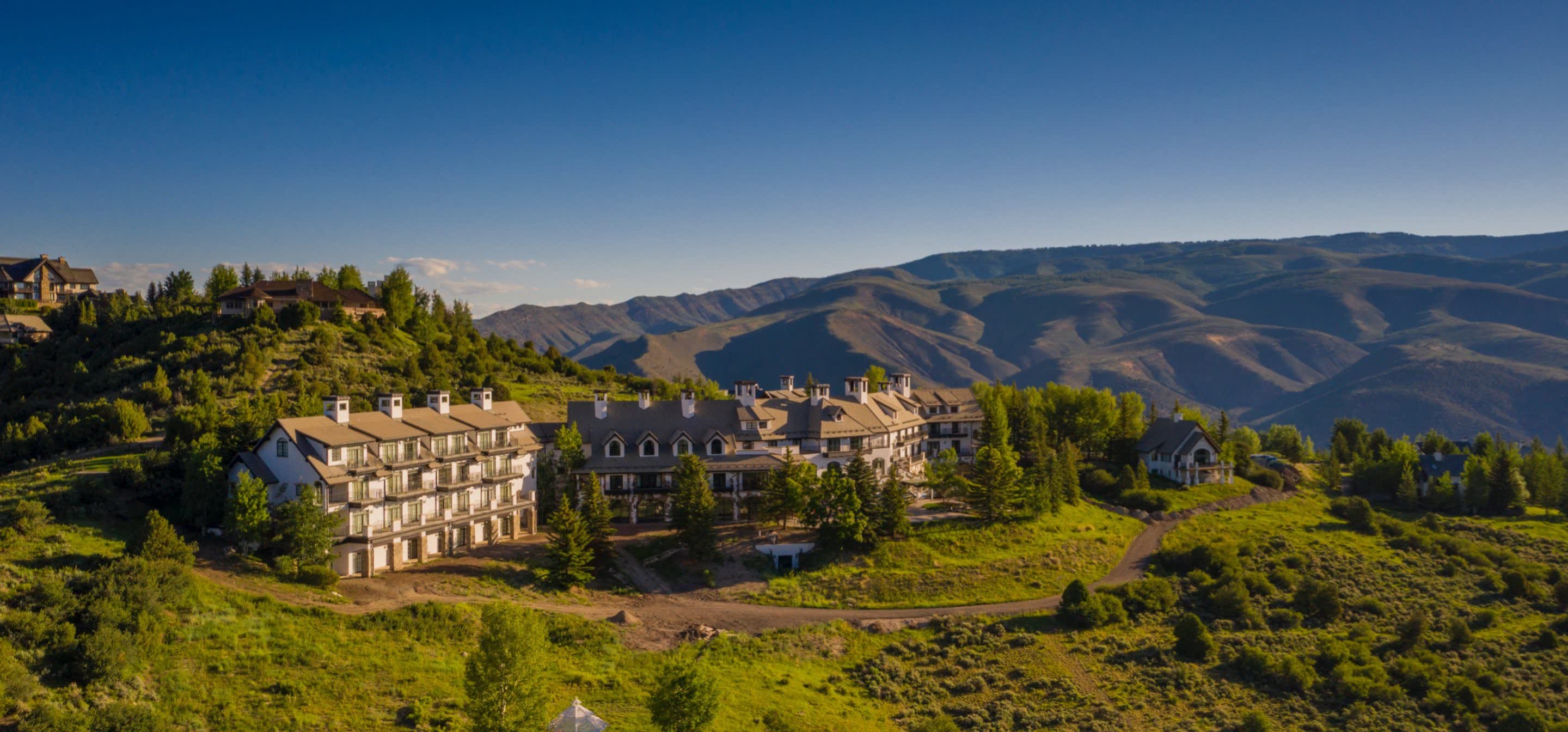
The closest thing Hawaii has to a like-for-like alternative to Maui Recovery, on a different island. An eight-bed luxury program on roughly thirty acres above the Big Island's Hamakua coast at Hakalau, it leans just as hard into the setting: ocean, land, and a small cohort, with evidence-based therapy alongside holistic and nature-based work. It is licensed by the state as a Special Treatment Facility (110-STF) and accredited by the state's Alcohol and Drug Abuse Division (110-105-2026, expiring 31 May 2027), and it takes no state contract and is private pay. For a guest set on the Big Island rather than Maui, this is the first name to weigh, and the reason the Big Island, not Maui, holds most of the state's private-pay tier.
Kona, Hawaiʻi (Big Island)
The Ohana
An eight-bed luxury residential program on three oceanfront acres above the Kona coast, pairing evidence-based treatment with a substantial holistic layer: a pool, trails, and the water below. Smaller in footprint than The Exclusive but firmly in the private tier, taking PPO insurance from many providers, and built to treat co-occurring mental health alongside substance use. Licensed as a Special Treatment Facility (111-STF) and ADAD-accredited (111-108-2026, expiring 30 January 2027), on no state contract. A strong option for guests who want the Big Island's oceanfront setting without a thirty-acre estate, and who value a program that keeps the cohort small and the days structured.
Kailua-Kona, Hawaiʻi (Big Island)
Hawaii Island Recovery
An eight-bed residential program above Kailua-Kona running detox, residential and outpatient care, with Special Treatment Facility license 106-STF and ADAD accreditation 106-100-2026. It is in-network with most major insurers, which places it outside the private tier ranked above, and makes it the Big Island's name to call for families using in-network benefits.
Makawao, Maui
Aloha House
Maui's only state-contracted medically monitored withdrawal management, alongside a residential program of 48 state-contracted beds on a 60-bed campus (ADAD accreditation 28-104-2026). A non-profit rather than a luxury program, taking insurance, Medicaid, and sliding scale, and the island's detox entry point.
Kailua-Kona, Hawaiʻi (Big Island)
Honu House Hawaii
A holistic residential-style program on the slopes of Hualālai. We list it because families search for it. Ask it directly what license it holds, and under which Hawaii category, before you send anyone.
Wailuku, Maui
Nova Luna (Ai Pono)
A licensed Maui Special Treatment Facility (98-STF) treating eating disorders, residential and virtual IOP. Not a substance use program, and the reason our Maui claim is scoped to substance use.
Not sure which of these fits?
Tell us the clinical picture, the timing, and how far someone can travel. We'll point you to the right program, even one we don't list, when that's the honest answer.
Specialisms in Hawaii
Conditions treated.
Editorial rankings
Top lists for Hawaii.
Editorial coverage
Deeper on Hawaii.
Common questions
Luxury rehab in Hawaii.
What is the best luxury rehab in Hawaii?
Where can you go to rehab in Hawaii?
Which residential treatment centers in Hawaii treat mental health?
What makes Maui Recovery stand out?
Are there luxury rehabs on the Big Island?
How much does rehab in Hawaii cost?
Does insurance cover rehab in Hawaii?
Why are there so few luxury rehabs in Hawaii?
Maui Recovery is a featured partner of LuxuryRecovery.
Deciding whether Hawaii is the right place? : the clinical picture, the timing, how far someone can travel. We’ll say which of these programs fit.
Explore the directory