Editorial · The fork
A retreat, or a program.
By the LuxuryRecovery Editorial Team1,470 words · 6 min read
Amend Malibu is a featured partner of LuxuryRecovery.
Maui Recovery is a featured partner of LuxuryRecovery.
The short version
A wellness retreat and a residential mental health program solve different problems. A retreat is built for depletion: sleep, food, quiet, a week, coming home restored. A residential program such as Amend Malibu is built for a condition: a psychiatrist, licensed therapists, a treatment plan, a month of daily clinical work. If a diagnosis is anywhere in the picture, if medications are a question, if anyone has worried about your safety, or if the decline has run for months rather than weeks, you are shopping for treatment. If every one of those is a no, book the retreat and enjoy it. If any is a yes, call a clinical program first.
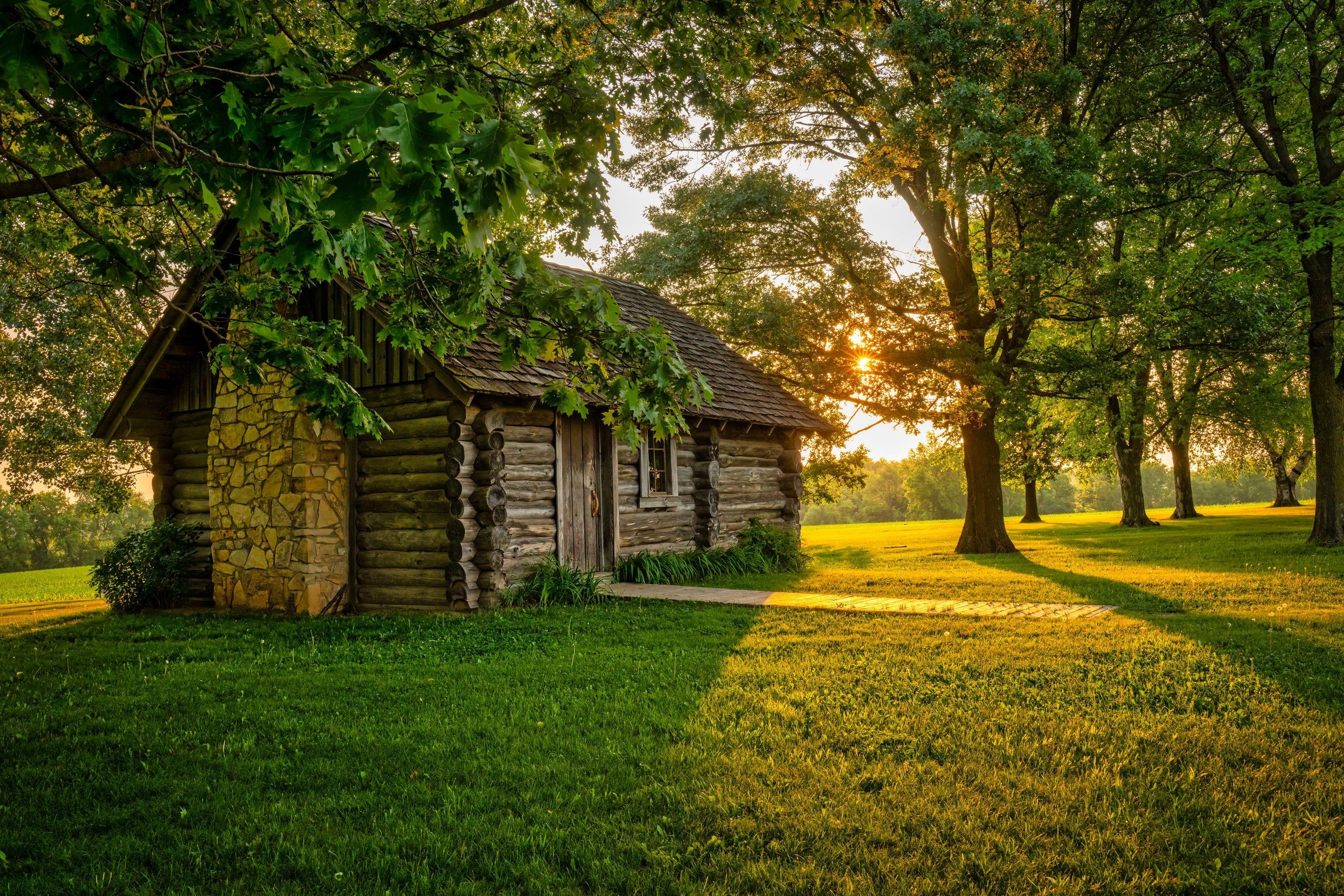
The tab open on your phone is beautiful. Sedona, or Big Sur, or a farmhouse somewhere warm: breathwork at dawn, massage, a chef, wine with dinner, no schedule anyone enforces. You are tired in a way vacations have stopped fixing, and something in you says book it.
Maybe you should. This page exists for one decision: whether what you are carrying is depletion, which rest repairs, or a condition, which treatment repairs. From inside a hard year the two feel identical.
The retreat
A real product, for a real state.
A wellness retreat is a hospitality product built for depletion, and depletion is real. The World Health Organization lists burnout in the ICD-11 as an occupational phenomenon: the result of chronic workplace stress that has not been successfully managed. For a capable person in that state, a week that returns sleep, appetite, and silence is exactly the right purchase.
The good ones are honest about what they are. They pour wine at dinner. They let you keep your phone. They are built to serve one thing, rest: sleep past sunrise, food someone else thought about, movement, and a homecoming with your energy back and your inbox survivable.
The person a retreat fits is specific. The exhaustion tracks a known cause: a brutal deal, a launch, a caregiving year. Sleep and appetite bounce back on vacation. Nobody has raised a diagnosis, and no medication question is hanging in the air. If that is you, book the week without apologizing for it.

The program
Built around a psychiatrist.
A residential mental health program admits you for a condition — depression, bipolar, complex trauma, an eating disorder — and builds the day around treating it. A psychiatrist manages medication through the stay. A licensed therapist works with you individually, in volume, on a plan written for you. The stay runs weeks, because watching a medication take hold or a pattern loosen takes weeks. These programs are a category of their own, distinct from rehabs; our guide to residential mental health that isn’t a rehab maps that distinction.
On our list, Amend Malibu is the clearest example. It admits for the condition itself, including the executive burnout that has crossed into depression, across two houses of six people each. A board-certified psychiatrist and medical director, Dr. Robert Feeley, leads the medical side; clinical director Shira Rebibo, a licensed marriage and family therapist, leads the therapy. The program is Joint Commission accredited, verifiable in the public Quality Check directory. If the setting matters as much as the clinical work, Maui Recoverysits closest to the retreat end while still admitting for the diagnosis: three private homes above Lahaina, surf and ocean therapy alongside CBT and DBT, Joint Commission accredited, 4.5 across 68 Google reviews as of 31 July 2026.
From the photographs, a clinical house can look like the retreat tab you already have open. The coast, the chef, the quiet rooms. The difference is who runs your day — a treatment team, working a plan. Read the admissions page, and if it names diagnoses, you are looking at treatment.
The sort
Five questions decide it.
How do you know whether you need a retreat or residential treatment? Answer these five, honestly, in writing if you can:
- Is a diagnosis anywhere in the picture? One you carry, one a clinician has raised, one you have suspected long enough to search it at night. A retreat asks for a booking; a program asks for a history. If there is a history, you want the people who asked.
- Are medications part of the question? Starting one, changing one, wondering whether the current one still works. That is a psychiatrist’s work, done over weeks of observation, which a program is built to hold.
- Has anyone worried about your safety — including you? If the worry is live tonight, the answer is 988 or the emergency room, before any brochure. If it has surfaced in recent months, the fork is decided: clinical program.
- How long has this been running? A brutal quarter that emptied you is depletion. A slide that predates the busy season, with sleep, appetite, or interest going too, has outgrown what a week can reach.
- What do you want to be true when you come home? Rested is a retreat outcome, and a worthy one. Different — the pattern interrupted, medication settled, a psychiatrist you keep seeing — is a treatment outcome.
A yes on any of the first four points to treatment. Five noes, and the retreat is yours to book.
Choosing
Picking without regret.
The regret runs both directions. There is the person on a fourth retreat in two years, each lovely, each wearing off by the second week home, because the thing underneath was a depression nobody had named yet. And there is the person who booked a month of treatment when rest and a schedule change would have done it. Both bought the wrong week because the two products share a photograph.
Before you book either
- Answer the five questions above in writing. A yes on any of the first four means your first call is a clinical program.
- On that call, ask: “Do you admit for depression, bipolar, or burnout itself, and how often will I see the psychiatrist each week?”
- Verify the program’s accreditation in the Joint Commission’s public Quality Check directory; two minutes.
- If safety is the worry tonight, stop comparing and call or text 988, or go to the emergency room.
- If every clinical answer is a no, book the retreat with a clear conscience.
One more honest route. Some people need more than weekly therapy and less than a residential stay: full days of clinical work, nights in your own bed. That is an intensive outpatient program, and our guide to choosing between therapy, an intensive outpatient program, and residential walks that decision. If it fits, it is the better buy than either week on this page.
Common questions
Asked at 11pm.
What's the difference between a mental health retreat and residential treatment?
Can a wellness retreat help with burnout?
Can a retreat treat depression?
How do I know if I need treatment or just a break?
What if I'm not safe right now?
How much does residential mental health treatment cost?
Still not sure which side of the fork you are on? . We know which programs admit for mental health itself, and if the honest answer for you is a retreat, or care at a lower intensity than residential, we will say that instead.