Camino Recovery, Andalucía
Mental health · United Kingdom
Mental health retreats for UK guests, and what they really are.
By the LuxuryRecovery Editorial Team1,100 words · 5 min read
The short version
In Britain, “mental health retreat” describes two different products. A clinical residential programme is psychiatrist-led, runs daily therapy, and lasts four to twelve weeks. A wellness retreat is a facilitator, a timetable and a beautiful house, with no psychiatry behind it. If someone is medicated, has been unwell for months, or has already tried weekly therapy without lasting change, only the first kind can help. UK guests who go abroad usually do it for one of three things: a programme small enough that the team knows them, a level of privacy that is not achievable at home, or a bed this month rather than in eight weeks.
The distinction that matters
Clinical programme, or wellness retreat?
One question separates them: who is the responsible clinician, and are they a registered psychiatrist? A clinical residential programme can review medication, manage a withdrawal, hold someone through the fortnight when sleep returns and feeling comes back with it. A wellness retreat can offer rest, structure and good company, which is genuinely valuable — but if the retreat cannot change a prescription or recognise a deterioration at eleven at night, it is not treatment.
Both are legitimate. The mistake is buying the second while needing the first, usually because the photography is similar and the language deliberately blurs. A good programme will tell you within one phone call which of the two it is.
Staying in Britain
What are the UK options, honestly?
There are three real routes at home. NHS care, through a GP or a community mental health team, is free and is the right first call for most people — including many who assume it is not. Private inpatient psychiatric care at a British hospital is the middle route, and the market publishes something close to a benchmark: a 28-day inpatient programme is listed at £21,813, with residential stays that exclude detox from £4,410.4 Third are the wellness retreats, which occupy the beautiful end of the market and the shallow end of the clinical one.
What Britain has relatively little of is the middle-sized thing: a small residential house, psychiatrist-led, with six or eight people in it and a team that knows all of them. That gap is the whole reason UK guests look at Europe.
Leaving the country
Why do UK guests go to Switzerland or Spain?
Switzerland is the answer when privacy is load-bearing and the clinical picture is complicated. Clinic Les Alpes above Montreux publishes from CHF 60,000 a week, covering the individual programme and hospitality with full in-house detox where it is needed.1 Paracelsus Recovery in Zurich treats one guest at a time and publishes CHF 110,000 a week for a four-week programme.2 That is a dedicated psychiatrist, therapists and support team built around a single person, which is what people are actually buying at that number.
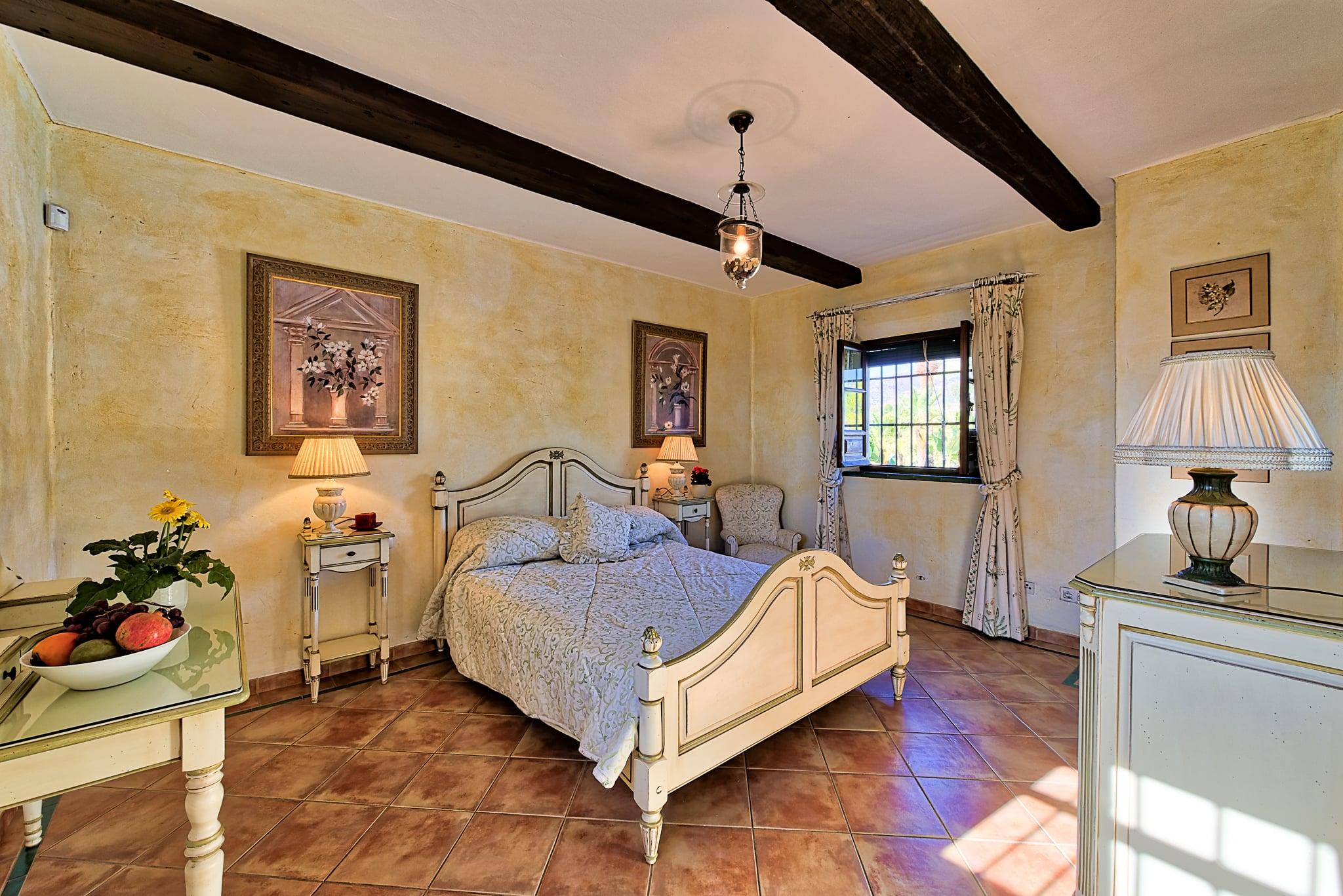
Spain is the answer when what you need is time and a small group rather than absolute seclusion. Camino Recovery in Andalúcia never has more than eight guests at once,3 builds trauma work and equine therapy into the core programme, and costs a fraction of the Swiss tier — so the same budget buys eight or twelve weeks rather than three. For long-standing depression or trauma, length of stay often matters more than luxury.
What travel costs you is proximity. Family sessions happen by video, aftercare has to be arranged back in the UK before discharge rather than after, and someone has to manage the journey home at the point of maximum fragility. Ask any programme abroad how it handles those three things; the answer tells you how many British guests it has actually treated.
When this is the wrong answer
Who should not be booking a retreat?
Anyone in immediate danger. Residential programmes are voluntary, planned admissions for people who are unwell but safe; a crisis needs emergency care, which in the UK means 999 or A&E, or the mental health option on NHS 111. A good programme will say this to you on the first call rather than take a deposit.
And anyone who has not yet tried the free route. A GP referral to a community mental health team, or to talking therapies, costs nothing and is genuinely effective for a great many people. Residential care earns its price when weekly appointments have already failed, when medication needs closer supervision than an outpatient can give, or when staying at home is itself part of what keeps someone unwell.
Questions people ask
The retreat questions, answered plainly.
What is a mental health retreat in the UK?
How do I know which one I need?
Why do UK guests go to Switzerland or Spain?
How long is a residential mental health stay?
Will insurance cover a mental health retreat?
Is a retreat an alternative to hospital?
Where to go from here
Tell us the situation — how long it has been going on, what has already been tried, and what the stay needs to protect — and we will come back with the two or three European programmes that fit, or tell you plainly if the right answer is closer to home. .