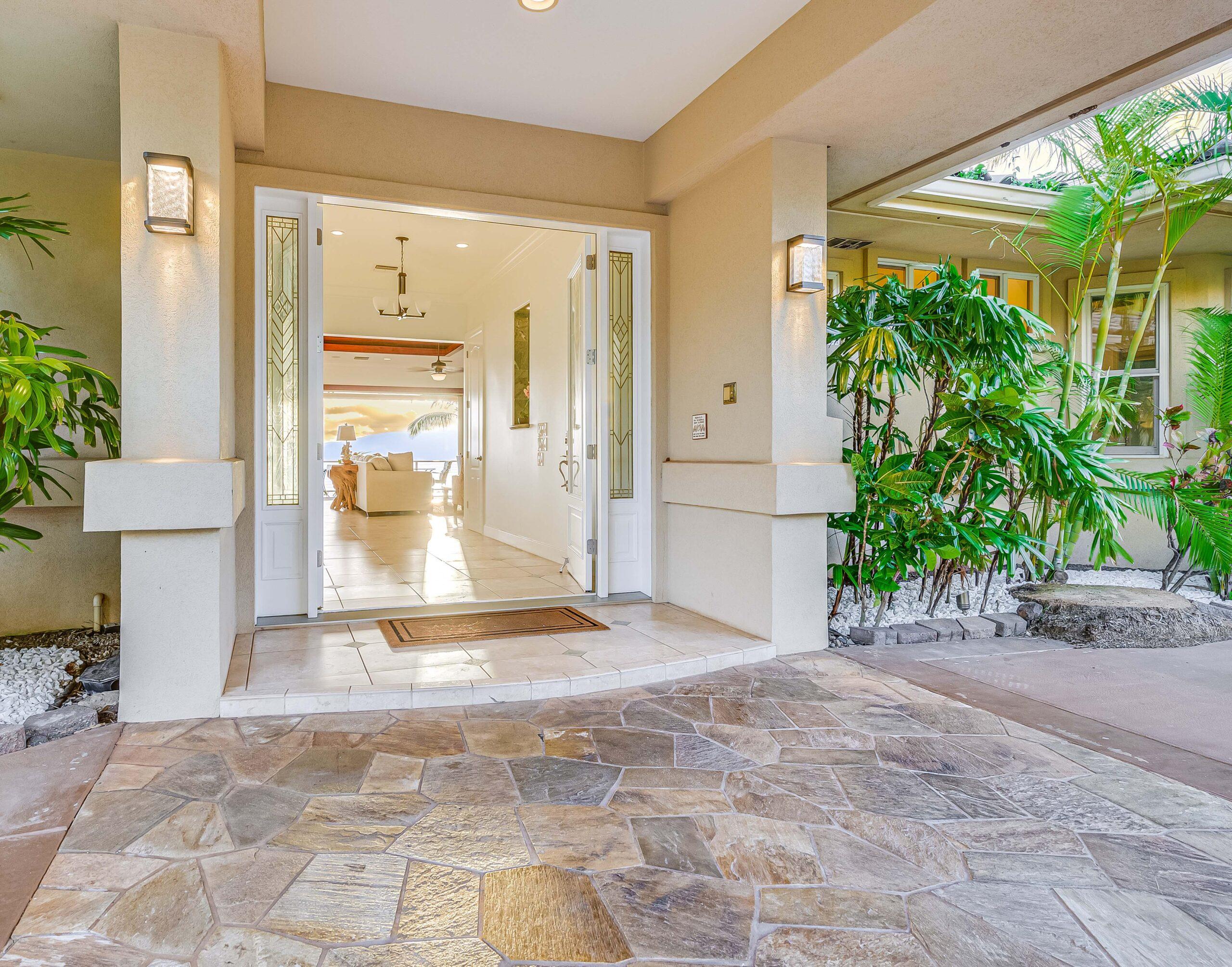
Maui Recovery
Hawaii · Mental health
An ocean between you and the problem.
By the LuxuryRecovery Editorial Team1,100 words · 5 min read
In short
Hawaii’s residential field is small and worth knowing precisely. Maui Recovery in Lahaina names anxiety, depression, trauma, PTSD, bipolar and personality disorders among the conditions it treats, holds a 4.5 rating across 68 Google reviews, and runs eight beds across three homes on twenty acres.14Two specialist services of a different kind sit beside it: Nova Luna in Wailuku, licensed for eating disorders, and Aloha House in Makawao, the island’s state-contracted detox.23
One program to consider: Maui Recovery · Every luxury rehab in Hawaii
Maui Recovery is a featured partner of LuxuryRecovery.
The field
Three programmes, three jobs.
Hawaii has nothing like California’s density of private residential psychiatric capacity, and pretending otherwise would waste your time. What it has is one private residential programme, Maui Recovery in Lahaina, eight beds across three homes on twenty acres, and two specialist services of a different kind: Nova Luna in Wailuku, which holds a Special Treatment Facility licence for eating disorders, and Aloha House in Makawao, the state-contracted non-profit that runs medically monitored withdrawal management.2
Maui Recovery names anxiety, depression, trauma, PTSD, bipolar disorder and personality disorders among the conditions it treats, with CBT, DBT, motivational interviewing and mindfulness-based stress reduction alongside surf, adventure and equine therapy.1 Our own record adds eating disorders and executive burnout, both operator-confirmed.
A mental health condition on its own is enough for admission: Maui Recovery admits for depression, anxiety, trauma and the other conditions it lists without any substance use in the picture, as well as alongside it (confirmed to LuxuryRecovery, October 2026).
The trade-off
Distance is the treatment and the cost.
For some people the ocean is the point. Putting real distance between somebody and the streets, houses and phone contacts tied to the worst of it is a clinical tool, not a holiday, and there are cases where nothing closer to home would have held.
The bill for that is family work. Weekly in-person family sessions stop being practical once a flight is involved, and family involvement is among the better predictors of how a stay holds up in the months after. If your family would actually turn up every week on the mainland, that is worth more than the separation Hawaii offers. If they would not, or if their turning up is part of the problem, the ocean starts looking like the right call.
Also settle the sequence before booking anything. Withdrawal management happens first, at Aloha House in Makawao or on the mainland, and Maui Recovery admits once it is complete (operator-confirmed, 31 July 2026).3 Arriving on the island expecting otherwise is an expensive way to find out.
Common questions
What families ask us.
Is there residential mental health treatment in Hawaii?
Can I be admitted in Hawaii for a mental health condition alone?
Does anywhere in Hawaii offer medical detox?
Is treating in Hawaii a good idea, or too far from family?

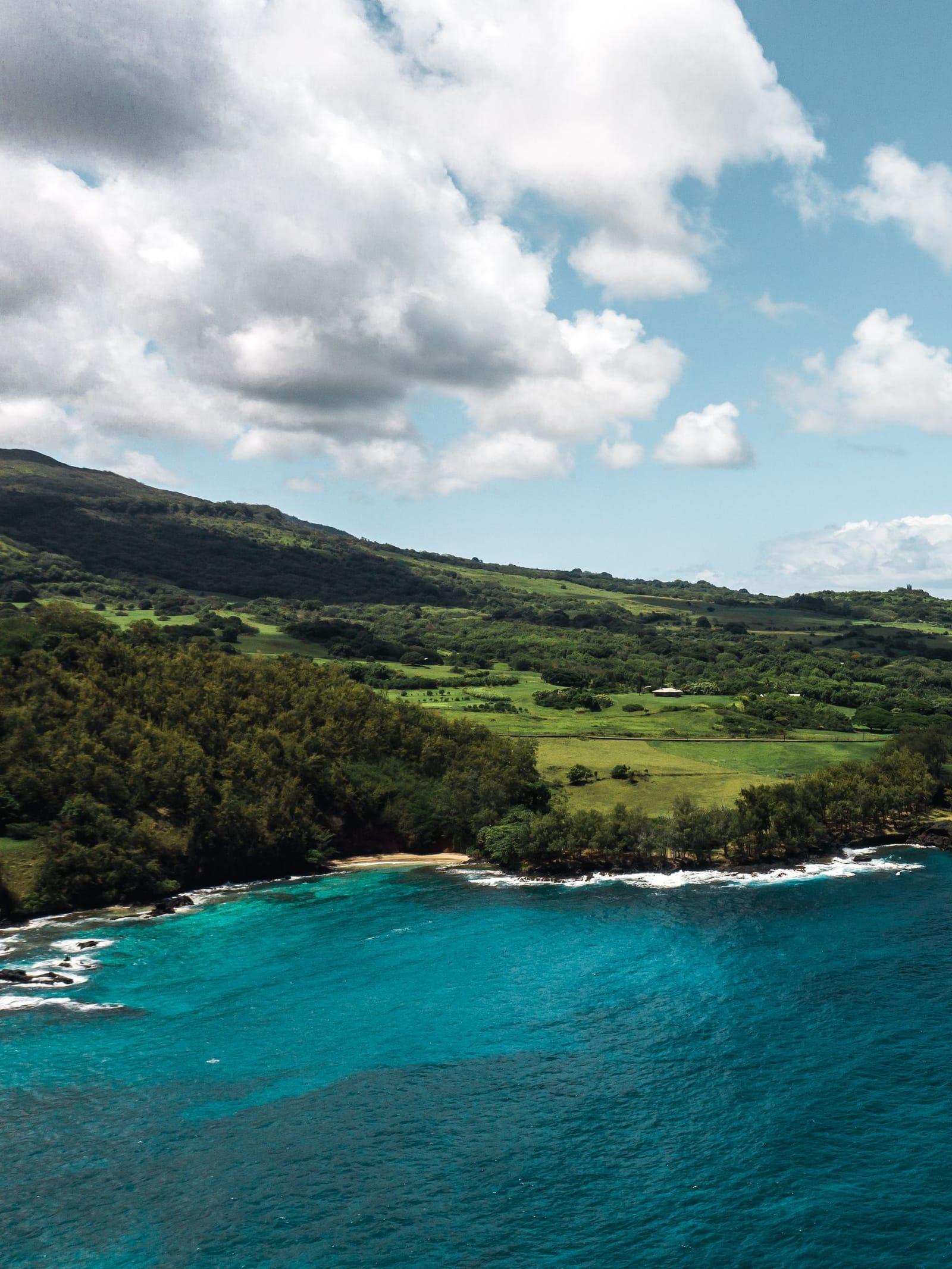
Haleakala, Maui — scene-setting photograph.
If you are weighing an island against the mainland, and describe the situation. We will tell you which side of the distance trade-off you are on, including when the answer is a programme in California and not Hawaii at all.
Where to go from here
Maui Recovery is a featured partner of LuxuryRecovery.