Editorial ranking
Best rehab abroad (2026)
Leaving the country for treatment is a real clinical decision, not a holiday. Here is where it works, where it does not, and how to tell the difference.
Summary
Going abroad for rehab makes sense when distance from your own environment is part of the treatment, when you need a longer stay than you can afford at home, or when privacy where you live cannot be protected. It makes less sense when you are medically unstable, when your family needs to be in the room, or when the aftercare that holds recovery together is back home and the program has no plan for it. Of the programs we have reviewed, Paracelsus Recovery in Zurich sits at the ceiling for privacy and clinical density, The Dawn in Chiang Mai is the best-accredited destination program in Asia, White River Manor in Mpumalanga is the strongest value-luxury option anywhere, Delamere in Cheshire is the pick when you want a regulator you can check yourself, and Camino Recovery in Andalucía suits the long Mediterranean stay.
Editorial intro
The landscape, briefly.
Almost every guide to rehab abroad is written by a clinic that happens to be abroad. That is why they all reach the same conclusion. A program in Chiang Mai will tell you Thailand is the answer; a program in Cape Town will tell you South Africa is. Neither is lying, exactly, but neither can write the sentence that actually helps you: sometimes the right answer is to stay home.
So start there. Travel is the wrong call when someone is medically unstable and the flight itself is a risk, when the family has to be physically present for the work to hold, or when the program abroad has no serious answer for what happens in week one back home. Detox at distance is the specific case to be careful about: withdrawal from alcohol and benzodiazepines can be dangerous, and it should be medically supervised wherever it happens, ideally before a long-haul flight rather than after one.
When travel is right, it tends to be right for one of three reasons. The first is environment: for some people, the trigger is the city, the house, the people, and no amount of clinical work inside it will hold. The second is time. Length of stay is the variable most correlated with outcome and the one most often cut for cost, and at Andalusian or South African fee levels ten weeks can cost less than a much shorter stay in Zurich or Malibu. The third is privacy — not vanity privacy, but the real kind, where being recognized in a waiting room has professional or legal consequences.
The ranking below crosses borders on purpose. Programs are placed against each other, not against the field in their own country, because that is the actual decision a person is making when they type "rehab abroad" into a search box. Three of the five are programs we catalogue in full. Two are not, and we rank them anyway on their published regulator record, because a list that included only our own listings would not be worth reading.
One practical note that applies everywhere on this page: we cite the regulator, not the marketing. CARF, the Care Quality Commission, and national health licensing bodies publish their records, and you can check every one of them yourself in a few minutes. A program's own claim about its success rate, by contrast, is unaudited by anyone. Where a program publishes a success-rate figure we have left it out, and that is deliberate.
The ranking
Our editorial picks.
- #2
Chiang Mai, Thailand
The Dawn Wellness Centre and Rehab
4.7·148 Google reviews
The best-credentialed destination program in Asia, and the reference point against which every other Thai center should be measured. CARF International lists The Dawn in its public provider directory, first accredited in 2024, holding accreditation for two programs: residential detoxification and withdrawal management, and residential treatment, both for integrated substance use and mental health in adults. That is a hard, checkable record of the kind almost no program in the region has. Riverside setting outside Chiang Mai, 35 rooms, and a genuinely international intake — Australians, Britons, Singaporeans and Hong Kong residents make up much of it, because the flights are short and the fee tier is a fraction of what the same length of stay costs at home. We do not catalogue The Dawn in full and it does not appear in our directory; it is ranked here on its published accreditation record.
- #4
Cuddington, Cheshire, United Kingdom
Delamere
4.7·129 Google reviews
The pick when you want a regulator you can check yourself before you book. Delamere Health Ltd is registered with the Care Quality Commission and was rated Good overall at its inspection on 19 and 20 April 2022, with Good across every domain assessed, including accommodation for people requiring treatment for substance misuse. The full report is public on the CQC website. Purpose-built rather than a converted country house, private-pay throughout, and small enough to avoid the institutional feel of the larger British names. For guests in the UK, Ireland and northern Europe it also solves the aftercare problem this page keeps returning to: the clinical team stays in the same time zone as the life you go back to.
Not sure which of these fits?
Tell us the clinical picture, the timing, and how far someone can travel. We'll point you to the right program, even one we don't list, when that's the honest answer.
Compare
Side by side.
Every program ranked above, side by side on the details families ask about first. Programs we rank on public reputation without a full profile show blanks where we have not verified a detail ourselves.
| Program | Mental health | Substance use | Dual diagnosis | Setting | Accreditation | Insurance | Google rating |
|---|---|---|---|---|---|---|---|
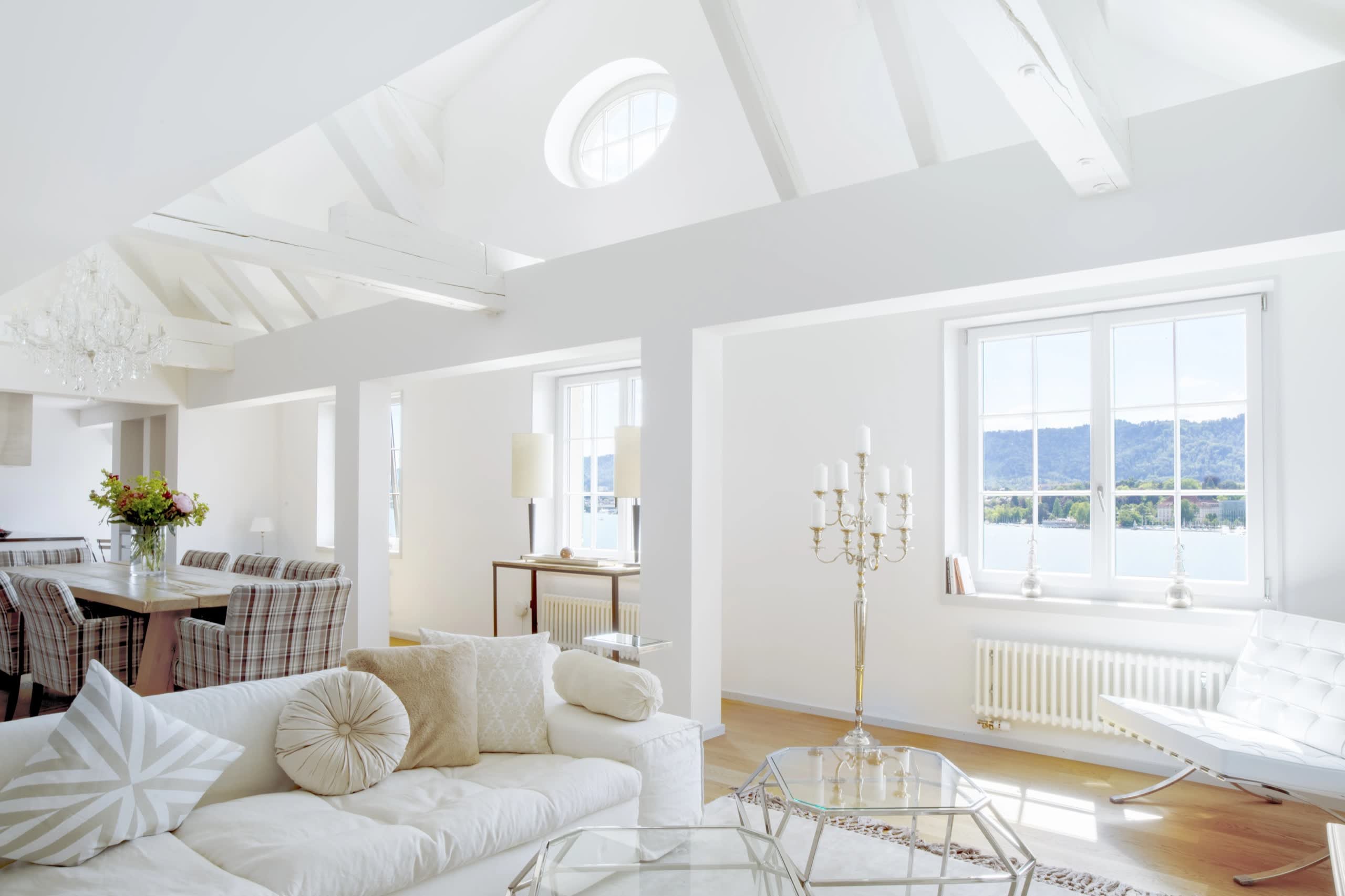
| #1Paracelsus RecoveryZurich, Zurich, Switzerland | Yes | Yes | Yes | Private penthouse residences on Lake Zurich. | — | No | 4.6 (50) |
| #2The Dawn Wellness Centre and RehabChiang Mai, Thailand | — | — | — | — | — | — | 4.7 (148) |
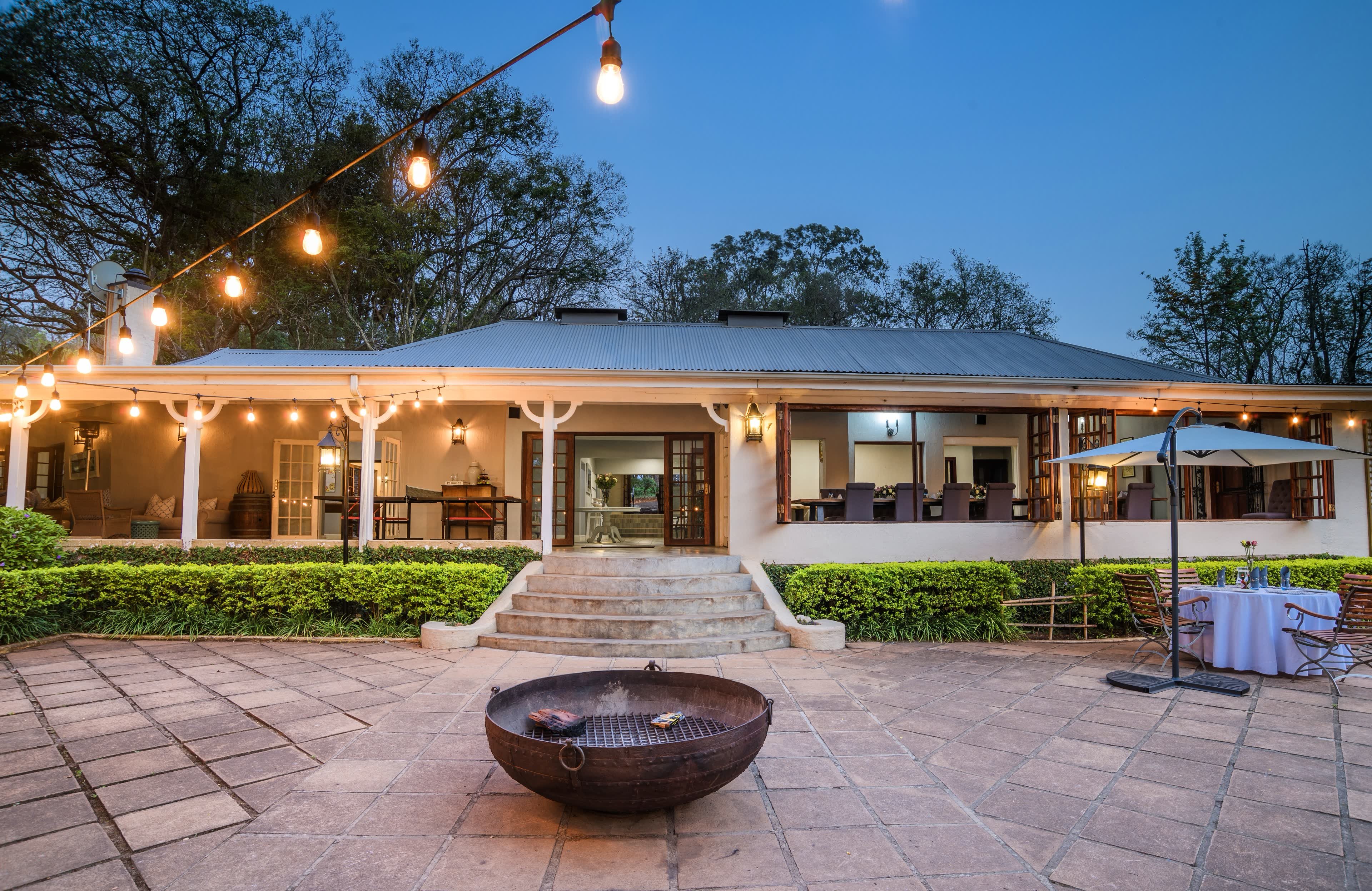
| #3White River ManorWhite River, Mpumalanga, South Africa | Yes | Yes | Yes | Country lodge bordering Kruger National Park, Mpumalanga. | — | No | 4.7 (62) |
| #4DelamereCuddington, Cheshire, United Kingdom | — | — | — | — | — | — | 4.7 (129) |
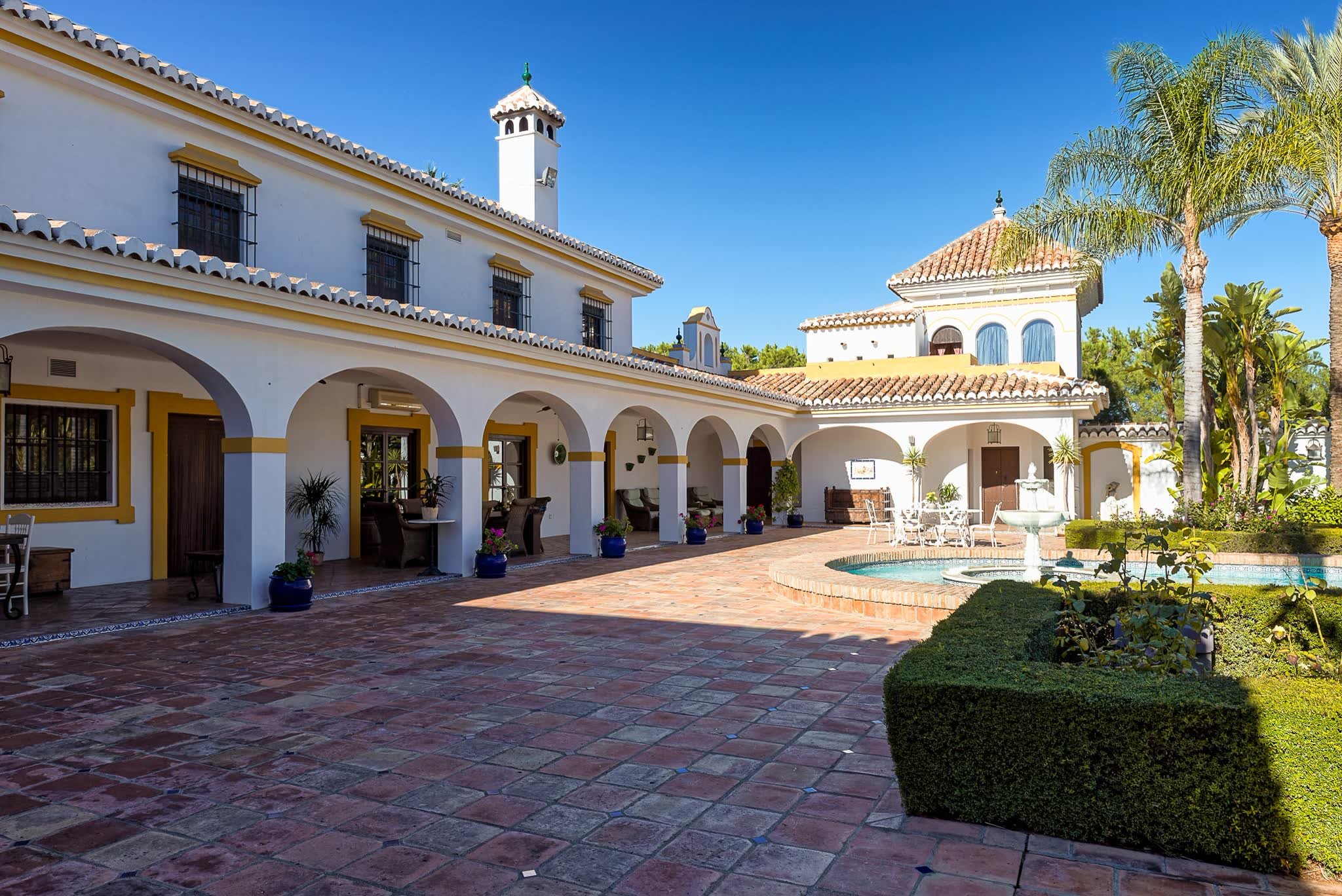
| #5Camino RecoveryVélez-Málaga, Andalucía, Spain | Yes | Yes | No | Hilltop cortijo near Vélez-Málaga, with sea and mountain views. | — | No | 4.4 (31) |
A program can treat dual diagnosis without listing substance use on its own: that means it takes a primary psychiatric presentation and treats co-occurring substance use alongside it. A dash means we have not verified that detail directly with the program, not that the answer is no. Ratings are transcribed from each program’s own Google Business Profile as of July 31, 2026, never estimated or averaged. How we assess every program is set out in our methodology.
Beyond the ranking
Other programs in the landscape.
Programs we don’t catalogue in depth but acknowledge by name for editorial completeness. Inclusion here is not an endorsement; each requires its own diligence.
Küsnacht, Switzerland
The Kusnacht Practice
The other Swiss single-client residency, operating at comparable scale to Paracelsus and under the same confidentiality framework. Long established. Its public review base is very small, which is normal for the tier and worth knowing before you read too much into it.
Montreux, Switzerland
Clinic Les Alpes
A restored alpine property above Lake Geneva. Larger intake than the Zurich single-client programs but still small globally, with particular strength in dual diagnosis and complex trauma. The Swiss option for clients who want a cohort rather than solitude.
Phuket, Thailand
Miracles Asia
Private-suite residential on Phuket, and the main alternative to the Chiang Mai programs for guests who want the coast. The highest verified Google rating of any Thai program we checked. Licensed under Thailand's national framework; it does not hold CARF accreditation, so verify its licensing directly rather than inferring it from the Thai market generally.
4.8·66 Google reviews
Deal, Kent, United Kingdom
PROMIS Hay Farm
A fourteen-bed Kent country house running since 1986, CQC-registered like every English provider. Considerably older and smaller than Delamere, and a reasonable second look for UK guests who want the country-house model rather than a purpose-built facility.
4.6·71 Google reviews
West Linton, Scottish Borders
Castle Craig Hospital
A long-established British residential hospital with a deep clinical reputation and strong twelve-step integration alongside evidence-based care. Institutional intake rather than boutique, which suits some people considerably better than a six-bed house does. Note that it sits in Scotland, so it is inspected by Healthcare Improvement Scotland rather than the Care Quality Commission.
4.4·128 Google reviews
Chiang Mai, Thailand
The Cabin Chiang Mai
The most famous rehab brand in Asia and the one most people have already heard of by the time they reach a page like this. Named here for that reason. Its verified Google rating sits below the 4.5 bar we apply to ranked entries, so we mention it rather than rank it — fame and clinical standing are different things, and this page keeps them apart.
4.4·56 Google reviews
Pretoria, South Africa
Crossroads Recovery Centre
A strong verified rating on a modest review base, and a frequent name in searches from the UK. We have found no CARF or JCI accreditation on record for it, so it sits as a mention rather than a ranked entry until that is resolved either way — which is the recurring caveat across South African treatment generally.
4.7·50 Google reviews
Common questions
What families ask most.
Is it worth going abroad for rehab?
What are the best rehab centers in the world?
Which country is best for rehab?
How much does rehab abroad cost?
Is rehab abroad safe?
Does insurance cover rehab abroad?
What happens to aftercare when I fly home?
Do I need a special visa to go to rehab in another country?
Why does this ranking include programs you do not list in your directory?
Related rankings