Editorial ranking
Rehab abroad for UK residents (2026).
The NHS will not fund it, your insurer probably will not either, and Britain has a regulator most destinations cannot match. Here is when to go anyway.
Summary
The NHS does not fund residential rehab overseas, and most UK private health policies exclude treatment abroad unless you have confirmed otherwise with your insurer in writing. So this is a self-funded decision, and it turns on three things. South Africa is the strongest option for most British guests: an overnight flight with no time-zone shift, English throughout, and fee levels low enough that a stay you could fund for four weeks at home can run to ten or twelve. Thailand costs similarly and offers The Dawn, the one destination program with CARF accreditation you can verify yourself, at the price of a much longer flight. Spain suits long Mediterranean stays within easy reach of family. And Britain itself has the Care Quality Commission, which publishes full inspection reports — evidence no destination on this page can match.
Editorial intro
The landscape, briefly.
Start with the money, because it is usually what brings a British family to this question. The NHS does not fund residential rehabilitation abroad. Some local authorities commission residential placements domestically, and your GP or local drug and alcohol service is the route to those rather than any private clinic. Private health insurance is the other common assumption, and it is usually wrong: addiction cover varies enormously between UK policies, treatment outside the country is frequently excluded outright, and where it is covered pre-authorisation is normally required. Ask your insurer directly and in writing before you commit to anything at all.
That leaves self-funding, and self-funding is where the case for leaving Britain actually becomes strong. UK private residential treatment is expensive. South African and Thai programs of comparable clinical seriousness cost a fraction of it — enough that the decision stops being about saving money and starts being about buying time. Length of stay is the variable most closely tied to whether recovery holds, and it is the one families cut first when the fees mount. A budget that funds four weeks in Cheshire can fund ten or twelve near Kruger.
Against that, Britain has something no destination on this page offers. The Care Quality Commission inspects every registered provider in England, rates them across five domains, and publishes the complete report for anyone to read. You can check a Cheshire clinic properly from your kitchen table. You cannot do that for a South African one, because we have found no CARF or Joint Commission International accreditation on record for any South African program — the check simply is not available. Thailand sits in between: one program, The Dawn, appears in CARF's public directory, and the rest run on national licensing.
There is also the part of this that is not about money at all. If the trigger is the city, the house, the people, distance does clinical work that no amount of therapy inside that environment will replicate. If you are known professionally in a way that makes a British clinic a genuine exposure risk, leaving the country solves that outright. Those are the two reasons to travel that survive scrutiny.
The reasons not to travel are worth stating just as plainly. Relapse risk peaks in the weeks after discharge, and by then your clinical team is in another country. Family sessions become flights. Aftercare referrals into services that actually exist near you are harder to arrange from Chiang Mai than from Essex. And if you are drinking heavily or taking benzodiazepines daily, speak to a doctor here about the flight itself before you book — withdrawal at altitude, hours from medical help, is a bad plan.
The ranking
Our editorial picks.
- #2
Hang Dong, Chiang Mai, Thailand
The Dawn Wellness Centre and Rehab
4.7·148 Google reviews
The choice for a British guest who wants accreditation they can verify personally before booking. The Dawn is the only Thai program listed in CARF International's public provider directory, first accredited in 2024, covering residential detoxification and withdrawal management and residential treatment for integrated substance use and mental health in adults. Nothing in the South African market offers an equivalent record. British guests already make up a substantial share of its intake, which shows in how the team handles UK aftercare and family sessions across time zones. The cost is the journey: Chiang Mai is a long flight with a significant time shift, and that is a real consideration for someone arriving unwell rather than merely a matter of comfort.
Not sure which of these fits?
Tell us the clinical picture, the timing, and how far someone can travel. We'll point you to the right program, even one we don't list, when that's the honest answer.
Compare
Side by side.
Every program ranked above, side by side on the details families ask about first. Programs we rank on public reputation without a full profile show blanks where we have not verified a detail ourselves.
| Program | Mental health | Substance use | Dual diagnosis | Setting | Accreditation | Insurance | Google rating |
|---|---|---|---|---|---|---|---|
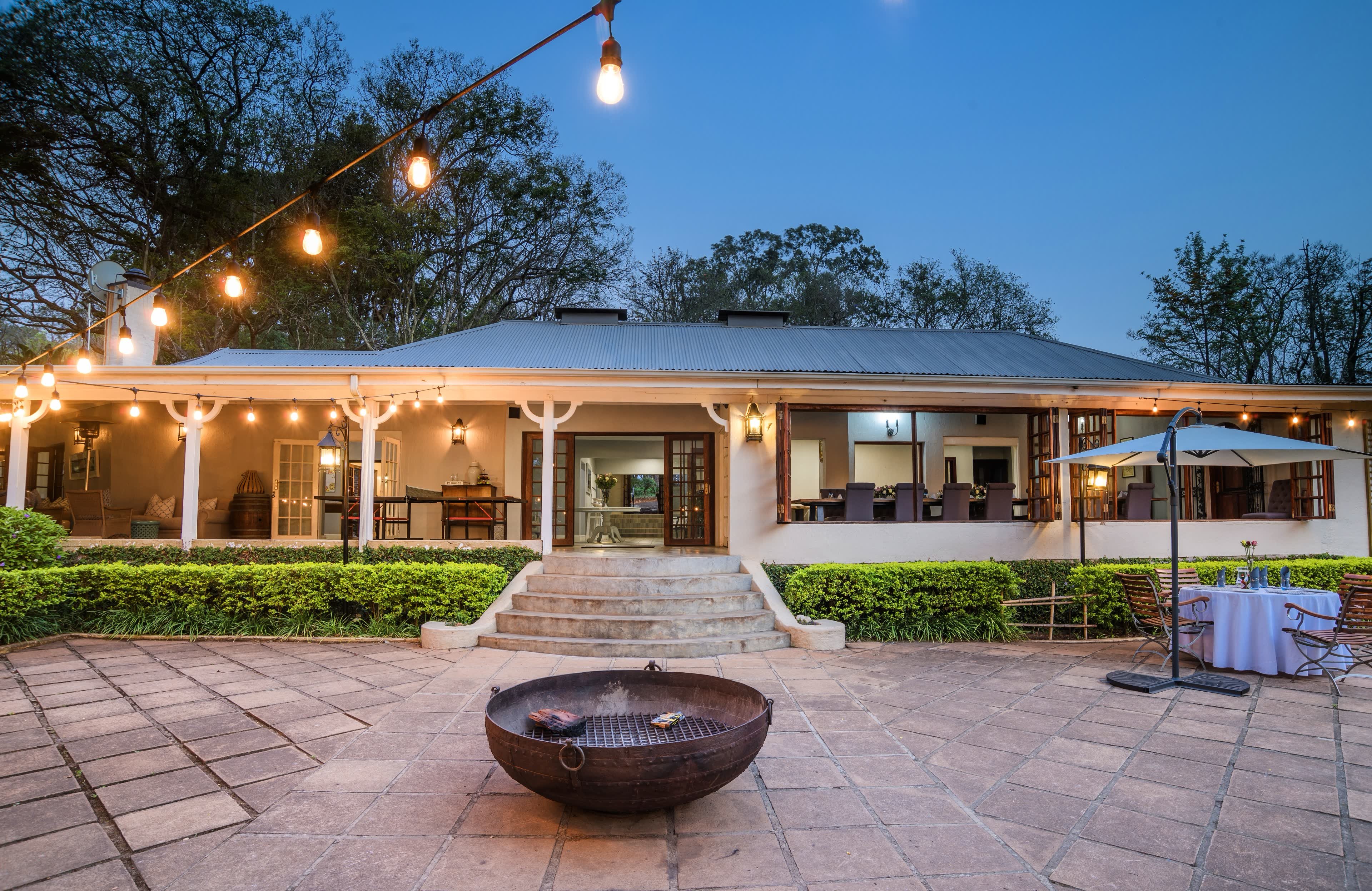
| #1White River ManorWhite River, Mpumalanga, South Africa | Yes | Yes | Yes | Country lodge bordering Kruger National Park, Mpumalanga. | — | No | 4.7 (62) |
| #2The Dawn Wellness Centre and RehabHang Dong, Chiang Mai, Thailand | — | — | — | — | — | — | 4.7 (148) |
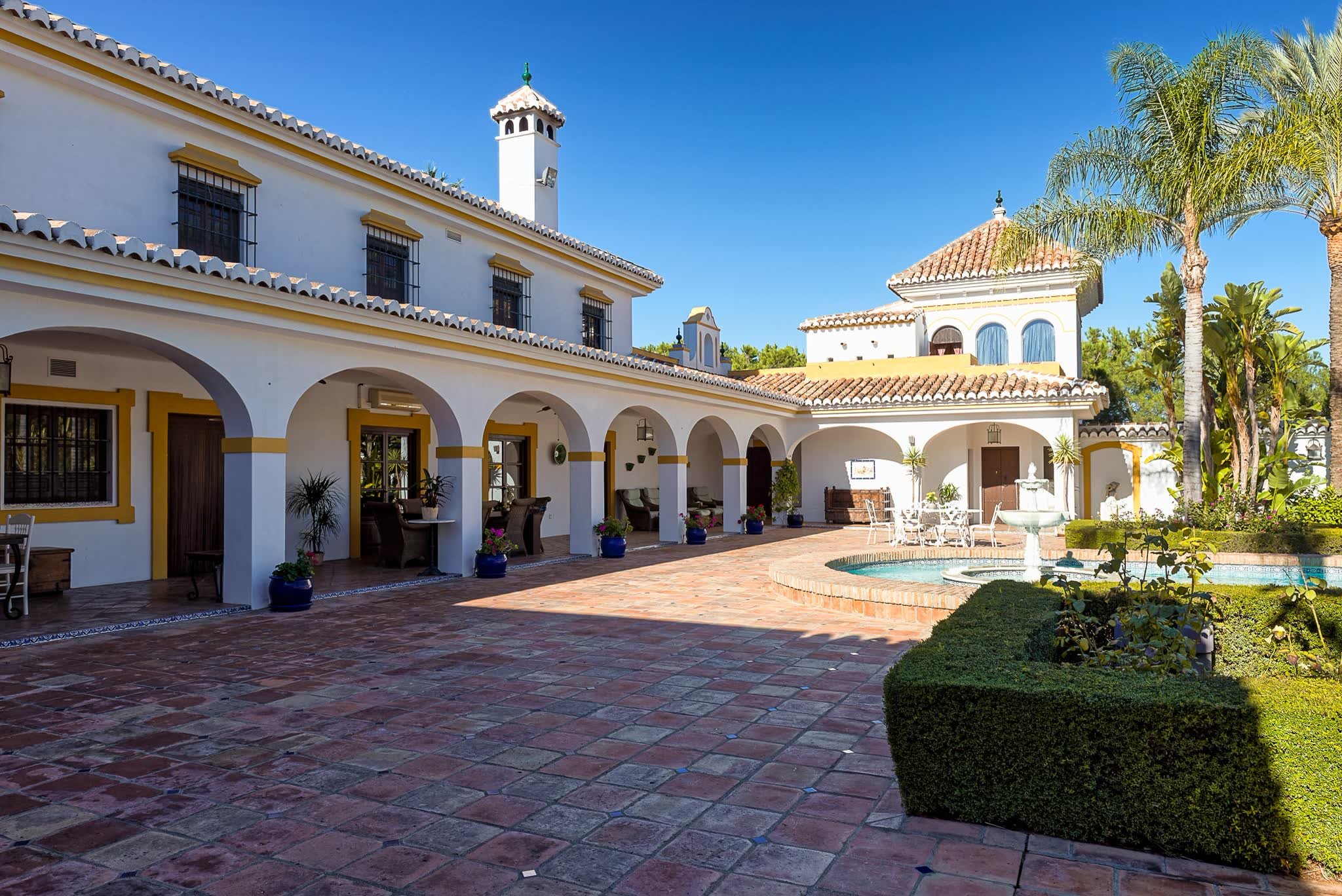
| #3Camino RecoveryVélez-Málaga, Andalucía, Spain | Yes | Yes | No | Hilltop cortijo near Vélez-Málaga, with sea and mountain views. | — | No | 4.4 (31) |
A program can treat dual diagnosis without listing substance use on its own: that means it takes a primary psychiatric presentation and treats co-occurring substance use alongside it. A dash means we have not verified that detail directly with the program, not that the answer is no. Ratings are transcribed from each program’s own Google Business Profile as of July 31, 2026, never estimated or averaged. How we assess every program is set out in our methodology.
Beyond the ranking
Other programs in the landscape.
Programs we don’t catalogue in depth but acknowledge by name for editorial completeness. Inclusion here is not an endorsement; each requires its own diligence.
Cuddington, Cheshire, England
Delamere
Named here deliberately, as the argument against everything else on this page. Rated Good overall by the Care Quality Commission at its April 2022 inspection, with Good across every domain assessed, and the full report public. Staying in Britain means an aftercare team in your own time zone during the weeks when relapse risk peaks, family sessions without flights, and referrals into services that exist where you live. If cost is not the binding constraint and your own environment is not the trigger, this is usually the better clinical decision.
4.7·129 Google reviews
Rietvalleirand, Pretoria, South Africa
Crossroads Recovery Centre
The Gauteng alternative to the lowveld, and a practical one for British guests who want the South African fee level with a hospital nearby rather than two hours away. Roughly an hour from OR Tambo. Same market-wide accreditation caveat applies: ask for the national registration details and the name of the licensed medical director.
4.7·50 Google reviews
Common questions
What families ask most.
Does the NHS pay for rehab abroad?
Will my UK private health insurance cover rehab abroad?
Is South Africa or Thailand better for a UK guest?
Is it safer to just stay in the UK for rehab?
Can I fly if I am still drinking or taking benzodiazepines?
What should I ask a foreign clinic that a UK clinic would not need to answer?
Go deeper
- Mental health retreats for UK guests
Where the line actually falls between a clinical program and a wellness retreat, what Britain offers at each tier, and who should not be booking a retreat at all.
- What private rehab costs in the UK
UK program fees broken down line by line, why Swiss treatment runs an order of magnitude higher, and the question of whether you should be paying privately in the first place.
- Switzerland or Spain?
Two tiers doing two different jobs. When the Swiss single-client model is the right answer, and when a longer Mediterranean stay is the better program for the same money.