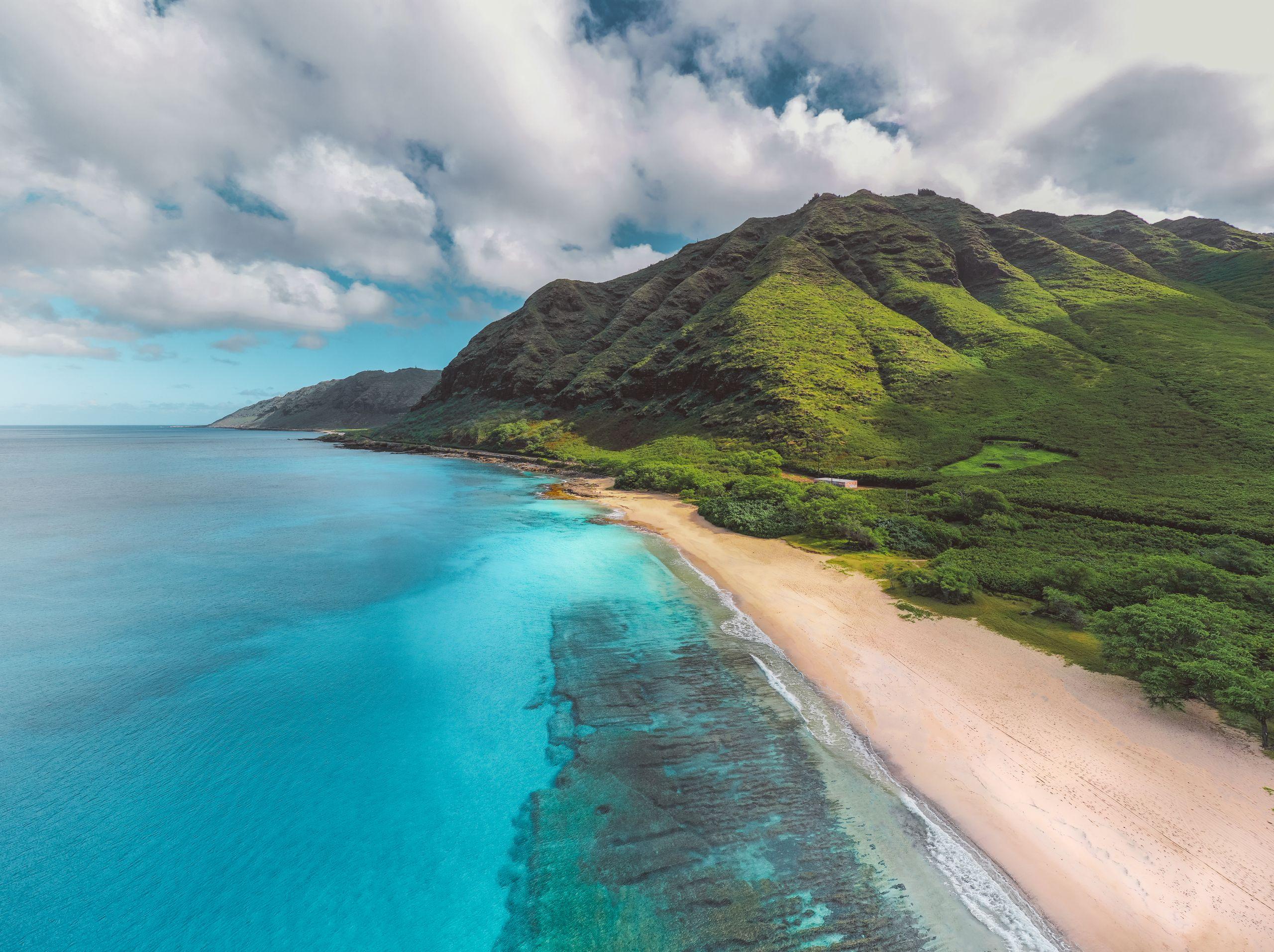
Island guide · Maui
Luxury rehab in Maui
By the LuxuryRecovery Editorial Team1,300 words · 5 min read
Clinically reviewed by Benjamin Grysman, Ph.D.· July 2026Maui Recovery is a featured partner of LuxuryRecovery.
The short of it
Luxury rehab in Maui runs through one program: Maui Recovery, eight beds across three private homes in Lahaina, a mile from the Pacific.3 Treatment pairs evidence-based therapy with the outdoors, ocean swims, hikes, and surf work.3Operating on an island runs higher than many mainland programs of a similar size, and a flight puts real distance between you and the routines you’re stepping away from.
Why does distance matter in recovery?
Most people who consider Maui aren’t drawn there for the view. They’re drawn there because home is full of triggers: the bar on the corner, the friend who still uses, the house where the worst of it happened. Getting on a plane and landing in the middle of the Pacific changes that equation in a way a drive across town doesn’t.
That instinct has real clinical grounding. The National Institute on Drug Abuse’s guidance on effective treatment holds that no single setting works for everyone, and that matching the treatment environment to a person’s particular needs is central to whether treatment succeeds.1 For someone whose daily surroundings are tangled up with active use, moving those needs to a genuinely different place is one of the more direct ways to meet them.
Maui Recovery builds its clinical plan around that same idea, treating the distance from home as a working part of treatment for guests who need a clean break from the people and places tied to active use.3 The ocean between them and their old routine functions as a clinical tool, built deliberately into how the program is designed.
What does treatment on Maui look like?
Maui Recovery sits on twenty private acres in Lahaina, spread across three homes that hold up to eight guests.3 The clinical work is built on cognitive behavioral therapy, dialectical behavior therapy, mindfulness-based stress reduction, and motivational interviewing, run in a ratio of staff to guests you don’t often see at larger facilities.3
Alongside the therapy rooms, the island itself does some of the work: dawn ocean swims, garden time, and structured hikes sit in the schedule next to individual and group sessions. Surf therapy gives people a physical outlet while they’re still finding the words for what brought them there.3
The program treats alcohol and opioid use disorder, trauma and PTSD, behavioral addictions, depression, eating disorders, and dual diagnosis, where a substance use disorder and a mental health condition occur together.3 Maui Recovery is accredited by the Joint Commission4 and holds membership with NAATP, the National Association of Addiction Treatment Providers.5
What does it cost?
Operating a private facility on an island runs higher than many mainland programs of a similar size, because it means paying island prices for land, staff, and everything shipped or flown in. Maui Recovery shares exact rates on inquiry; ask the admissions team what a stay includes and they can give you a precise figure. Our guide to what rehab in Hawaii costs sets the island numbers against the mainland ones, with the program-confirmed figures we hold on record.
Maui Recovery works with insurance out of network. If your plan has PPO out-of-network benefits, part of a stay may be covered. What your plan covers depends on your policy, so the admissions coordinators will verify your benefits and give you precise answers.3
Before you fly
An ocean away
Distance built into treatment
Maui Recovery treats the distance from home as a working part of treatment for guests who need a clean break from the people and places tied to active use.
8 guests
Three private homes, 20 acres
Lahaina, a mile from the Pacific. Accredited by the Joint Commission and a NAATP member.
Honolulu or West Coast
Typical route in
Most guests fly into Maui, often connecting through Honolulu or a direct West Coast route, then travel to Lahaina by car.
Is Maui the right setting for you?
Maui isn’t the right fit for everyone. Some people need to stay close enough for weekly family sessions in person, or need a program with a large enough clinical team to handle a complex medical detox on-site. For those situations, a mainland program may serve you better.
For someone who needs real separation from the people, places, and routines tied to their use, and who wants that separation paired with serious clinical care, Maui Recovery is built for exactly that. See every luxury rehab in Hawaii for how it compares against the rest of the Pacific field, or go directly to the Maui Recovery profile for the full property details and how to reach the admissions team. For a second opinion before you call, .
If you need to talk to someone today, before you’ve settled on a program at all, SAMHSA’s National Helpline offers free, confidential support any time: 1-800-662-HELP (4357).2
Common questions
What families ask most.
Is Maui a good place for luxury rehab?
How much does luxury rehab in Maui cost?
What conditions does Maui Recovery treat?
Does insurance cover rehab on Maui?
How long do people stay at Maui Recovery?
How do you get to Maui Recovery?

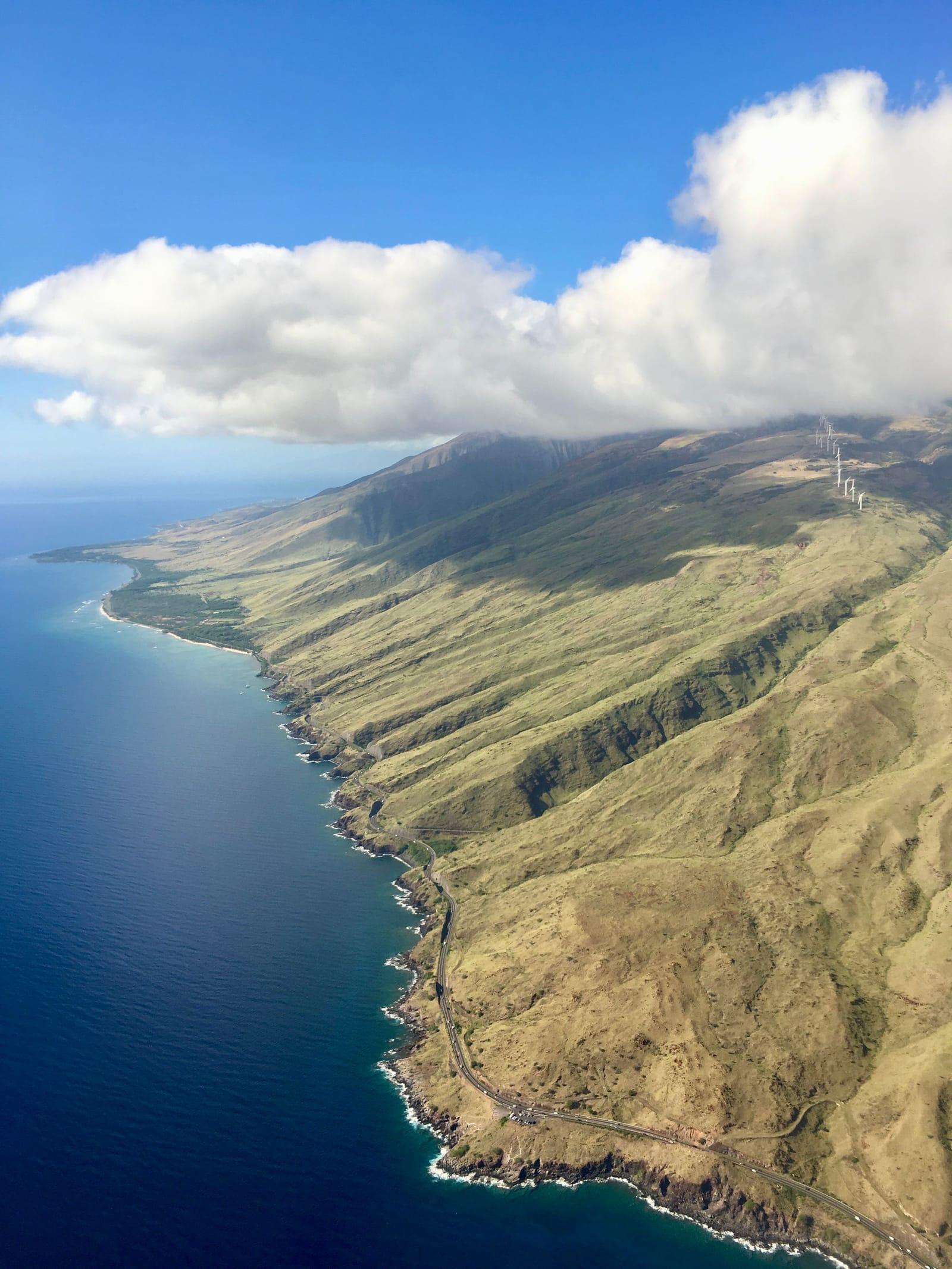
Pipiwai Trail, Maui — scene-setting photograph.
Where to go from here

Distance is the thing to weigh here.
Maui gives real separation from home, and it makes weekly in-person family sessions impractical. Which of those matters more is worth talking through before anyone books a flight.